Category:
Geopolitical AnalysisIran War MOU: New Mideast Order?
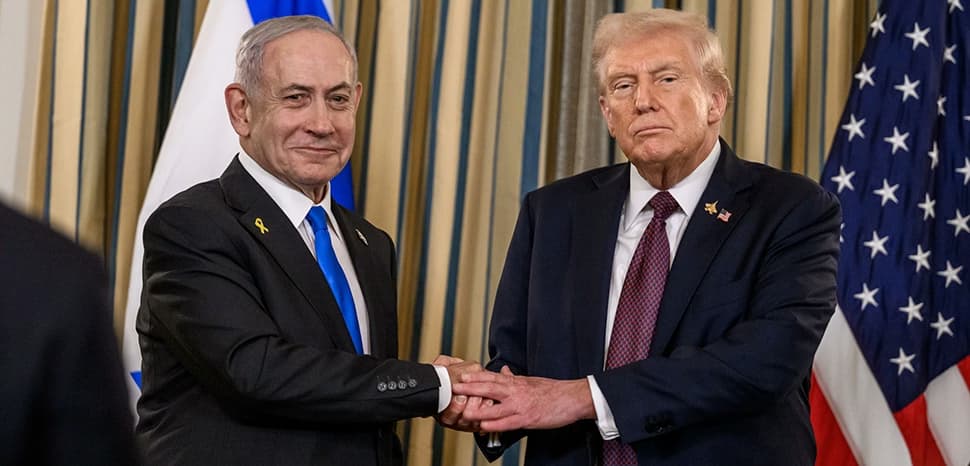
In a surprising turn of events, the recent memorandum of understanding (MOU) between the United States and Iran has sparked discussions about a potential shift in the Middle East's geopolitical landscape. 🌍✨
A Landmark Framework Agreement
On June 14, President Trump announced a 14-point MOU with Iran, marking a new chapter in diplomatic relations. This agreement, digitally signed on June 17, sets the stage for further negotiations aimed at a comprehensive deal. 📜🤝
The MOU itself is a non-binding framework, but its significance lies in its potential to redefine alliances and conflicts in the region. It underscores a pivot away from military confrontations towards diplomatic engagements.

Positive Initial Reactions
The initial phase of talks, which began on June 21 in Switzerland, has been met with cautious optimism from both parties. Led by JD Vance, the U.S. delegation seems committed to fostering a constructive dialogue. The 60-day period for these discussions is crucial for shaping a comprehensive agreement to be ratified by the United Nations Security Council (UNSC).
Implications for Regional Stability
The MOU is not just about U.S.-Iran relations; it's about reshaping the regional power dynamics. Historically, the Middle East has been a hotbed of strategic conflicts and alliances, many of which have global implications. The potential for a diplomatic breakthrough could stabilize volatile relationships and create new economic opportunities. 💼
Historical Context
The relationship between the U.S. and Iran has been fraught with tension since the 1979 Iranian Revolution. Previous attempts at diplomacy, such as the 2015 nuclear deal, have seen mixed results. However, this new MOU signals a shift in strategy, potentially heralding a more stable Middle Eastern order.
Potential Challenges Ahead
Despite the positive outlook, challenges remain. Key issues include Iran's nuclear ambitions, regional influence, and human rights record. Moreover, domestic political pressures in the U.S. and Iran could hinder progress.
Actionable Insights
- Watch the Talks: The outcome of the 60-day negotiation period will be pivotal.
- Understand the Stakes: Regional stability affects global markets and security.
- Stay Informed: Geopolitical shifts can have far-reaching effects.
A New Era or a Temporary Pause?
As the world watches, the Iran war MOU could be the harbinger of a new Middle East order. Whether it leads to lasting peace or is just a temporary pause in hostilities remains to be seen. 🔍
Conclusion
In conclusion, the MOU between the U.S. and Iran is a significant step towards potential peace in the Middle East. The coming months will determine if this agreement can lead to a sustainable and peaceful resolution to long-standing conflicts. The geopolitical implications are profound, and the world is keen to see how this unfolds. 🌟
You May Also Like

Geopolitical Analysis
Saudi Arabia's Bold Minerals Strategy
July 1, 2026
Geopolitical Analysis
Strategic Challenges in Securing the Strait of Hormuz
June 30, 2026
Geopolitical Analysis
Sovereignty, Airpower & Alliance Integration Limits
June 30, 2026
Geopolitical Analysis
Myanmar: A Renewed Frontline in India-China Tensions
June 29, 2026