Category:
Geopolitical AnalysisIran War, NATO Strains & Economic Shockwaves
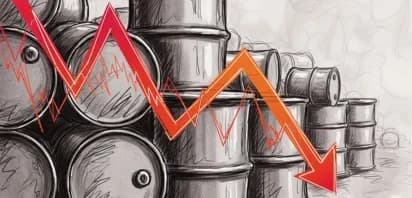
The geopolitical landscape is never static, and the current global environment is a testament to that dynamic nature. As tensions escalate in the Middle East, particularly with the Iran War, the ripple effects are being felt worldwide. From economic ramifications to shifts within NATO, understanding these complex interactions is crucial for policymakers and citizens alike.
Iran War and its Global Economic Impact 🌎💥
The conflict involving Iran has led to significant turmoil in global markets. The war has driven up oil prices, exacerbating existing supply chain issues and impacting countries differently based on their economic resilience. One can draw parallels with the 2022 Energy Price Guarantee (EPG) in the UK, which was a response to the Ukraine war's energy crisis. This untargeted policy, initially costing 60 billion pounds, eventually contributed to the downfall of the Truss government due to its unsustainable economic impact.
The current situation is similar. Countries like the UK are opting for more targeted solutions to mitigate economic fallout, avoiding broad, costly interventions that could destabilize financial markets further. The global economic landscape, already strained by the COVID pandemic and the Ukraine conflict, is now facing additional pressures from the Gulf.
Economic Strategies in Response
Governments are now more cautious, adopting strategic fiscal policies to buffer against these shocks. The emphasis is on preventing long-term debt accumulation that could hinder future economic recovery. This careful balancing act is crucial in maintaining economic stability amidst ongoing geopolitical uncertainties.
NATO: Shifting Alliances and Strategic Autonomy 🤝🔄
In the realm of international alliances, NATO is experiencing internal strains. President Trump's critical stance towards NATO has prompted a noticeable shift among European leaders. Historically, NATO's Article 5 ensured mutual defense, but recent developments indicate a move towards strategic autonomy.
European nations are increasingly considering their own security investments, moving away from reliance on transatlantic ties. This shift, while subtle, marks a significant change in the geopolitical fabric. However, achieving true strategic autonomy requires substantial investment in military capabilities, a process that will span years if not decades.
The Path Forward
Despite these shifts, NATO remains a cornerstone of Western security architecture. The alliance is not on the brink of dissolution, but its evolution reflects broader geopolitical trends towards national self-reliance and strategic diversification.
Broader Implications and Future Outlook 🔮📈
The geopolitical shifts currently unfolding will have lasting impacts. Economically, countries will need to navigate the challenges of rising energy costs and fiscal pressures carefully. Politically, alliances like NATO will continue to evolve, reflecting changing global power dynamics.
Key Takeaways
- Economic Strategy: Targeted fiscal policies are essential to manage the economic fallout from geopolitical conflicts.
- NATO Dynamics: The alliance is likely to see continued shifts towards European strategic autonomy.
- Global Stability: Maintaining economic and political stability will require careful navigation of complex international relationships.
As we look to the future, understanding these geopolitical dynamics will be crucial for policymakers, businesses, and individuals alike. The interplay between economic strategies and international alliances will shape the global order in the years to come.
You May Also Like

Geopolitical Analysis
Saudi Arabia's Bold Minerals Strategy
July 1, 2026
Geopolitical Analysis
Strategic Challenges in Securing the Strait of Hormuz
June 30, 2026
Geopolitical Analysis
Sovereignty, Airpower & Alliance Integration Limits
June 30, 2026
Geopolitical Analysis
Myanmar: A Renewed Frontline in India-China Tensions
June 29, 2026