Category:
Geopolitical AnalysisIran War: Petrodollar's Sunset Over Bitter Lake
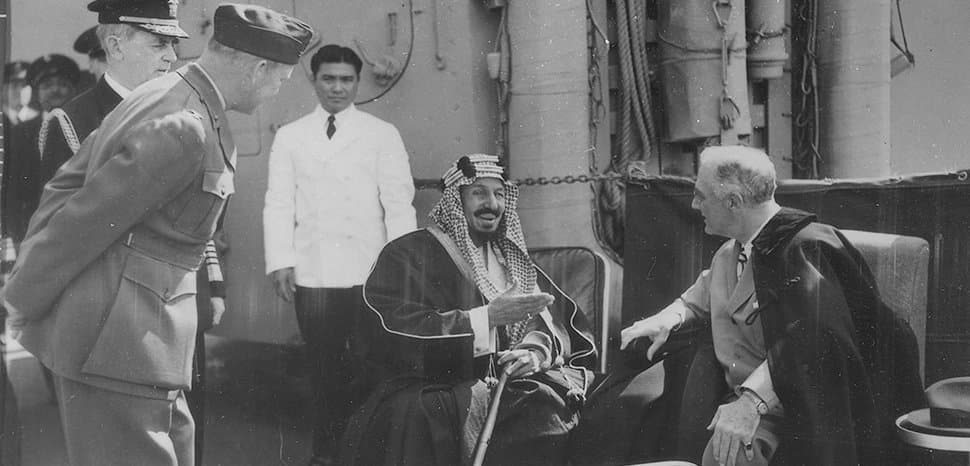
A Shifting Geopolitical Landscape 🌍
The global geopolitical landscape is witnessing a seismic shift, as the long-standing pillars of international order are challenged. One such pillar is the petrodollar system, which has underpinned global trade since the post-Bretton Woods era. The Iran war is now testing its resilience, with strategic implications for the Strait of Hormuz, a key chokepoint in the global energy supply chain.
The Strategic Importance of the Strait of Hormuz
The Strait of Hormuz is a narrow waterway that sees a significant portion of the world's oil trade pass through its waters. Its strategic importance cannot be overstated, especially as Iran leverages its geographical advantage to influence global energy dynamics. The presence of military forces, such as the Abraham Lincoln Carrier Strike Group, underscores the ongoing tensions and risks associated with this vital corridor.

Iran's Bold Moves: Sovereignty and Tolls
Iran's recent proposal to assert exclusive sovereignty over the Strait of Hormuz marks a bold geopolitical move. By drafting legislation to impose tolls on transiting ships, Iran is asserting control over this critical passage, potentially reshaping maritime law conventions. While such actions are not without precedent, they challenge the status quo and highlight Iran's strategic maneuvering to circumvent US economic influence.
The Petrodollar Under Siege 💵
The petrodollar system, which prices Middle Eastern oil exclusively in US dollars, is facing unprecedented pressure. Iran's actions are part of a broader trend towards de-dollarization, aligning with efforts by BRICS countries to establish alternative financial systems. This shift aims to undermine US financial hegemony, with implications for global trade and economic stability.
Gulf States: Caught in the Crossfire
The security and economic stability of Gulf states are inextricably linked to the petrodollar system. However, the Iran war has exposed vulnerabilities, with Gulf economies becoming collateral damage in a conflict they did not initiate. Projections indicate significant GDP contractions for countries like Kuwait and Qatar, underscoring the economic stakes at play.
The Broader Geopolitical Implications 🌐
The unfolding situation in the Middle East is not just a regional issue; it has global ramifications. The Iran war highlights the limits of military power in achieving strategic objectives, as advances in asymmetric warfare allow Iran to maintain a deterrent capacity despite significant military losses. This dynamic complicates the geopolitical calculus for Gulf states and their allies.
Looking Ahead: Strategic Considerations
As the Iran war continues, Gulf states must navigate a complex geopolitical landscape. The era of unchallenged US dominance is waning, necessitating new strategies to ensure economic and political stability. The outcomes of this conflict will shape future alliances and economic frameworks, with long-term implications for the global order.
Conclusion: A New Era of Geopolitical Realignment
The sunset over Bitter Lake symbolizes more than just the end of a day; it marks a potential shift in geopolitical paradigms. The Iran war and its impact on the petrodollar system are just the beginning of a broader realignment of global power dynamics. As nations adapt to these changes, the world watches to see how this new era of geopolitical strategy will unfold.
You May Also Like

Geopolitical Analysis
Saudi Arabia's Bold Minerals Strategy
July 1, 2026
Geopolitical Analysis
Strategic Challenges in Securing the Strait of Hormuz
June 30, 2026
Geopolitical Analysis
Sovereignty, Airpower & Alliance Integration Limits
June 30, 2026
Geopolitical Analysis
Myanmar: A Renewed Frontline in India-China Tensions
June 29, 2026