Category:
Geopolitical AnalysisIran's Illusion of Power: A Deeper Look
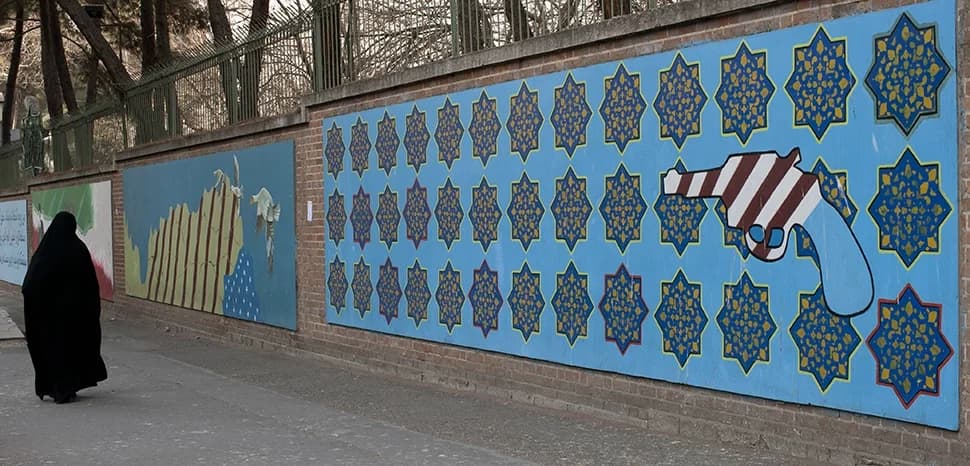
Introduction: Unveiling the Illusion of Iran's Rise
In recent years, a narrative has emerged suggesting that Iran is rising as a global power, bolstered by regional conflicts and strategic maneuvering. However, this perspective may be an oversimplification. While Iran projects influence across the Middle East, it is crucial to scrutinize the underlying dynamics that challenge the notion of its ascent.
Misreading Iran's Strategic Posture
Strategic analysts often evaluate Iran through a lens that highlights its military capabilities, proxy networks, and regional reach. These metrics, while significant, provide only a partial picture. Iran's ability to project power externally often masks the internal fragility of its theocratic regime.
Iran's external behavior is frequently juxtaposed with its domestic strategies. The regime's survival depends as much on internal repression as on its regional activities. Recent crackdowns on dissent, including executions linked to the Mujahedin-e Khalq (MEK), underscore the regime's reliance on coercion to maintain control.
The Illusive Stability of Authoritarianism
Authoritarian regimes like Iran's may appear stable due to their capacity to suppress dissent. However, this stability is fragile. The economic strain, political disillusionment, and societal tensions reveal vulnerabilities that question Iran's long-term sustainability as a rising power.
Internal Dynamics: A Closer Examination
- Economic Challenges: Iran's economy faces significant hurdles, including sanctions, inflation, and unemployment. These factors exacerbate public discontent and challenge the regime's legitimacy.
- Societal Tensions: The gap between the government and society grows as citizens demand more freedoms and better living conditions.
- Political Repression: The lack of institutional channels for political dissent forces the regime to rely on repression, which may not be sustainable.
The Realist Fallacy: External vs. Internal
The prevailing strategic analysis often prioritizes Iran's external activities, overshadowing the internal dynamics. While military capabilities and regional influence are quantifiable, aspects such as legitimacy, social cohesion, and political sustainability are complex and less visible.
Reassessing Policy Assumptions
- Engagement and Accommodation: Policies that engage Iran based on its perceived stability risk overlooking internal vulnerabilities.
- Diplomacy's Role: Effective diplomacy requires a nuanced understanding of Iran's internal and external dynamics, addressing root causes rather than symptoms.
Conclusion: Rethinking Iran's Trajectory
Iran's current strategic posture should not be mistaken for durable ascent. While it adapts under pressure, this does not equate to a stable rise in global power. Policymakers should incorporate a broader understanding of Iran's internal conditions to formulate effective strategies.
Ultimately, the question is not merely about Iran's ability to project power outward, but whether its political system can sustain such projection over time. By rebalancing our assessment of Iran, we can better address the complexities of its geopolitical landscape.
You May Also Like

Geopolitical Analysis
Saudi Arabia's Bold Minerals Strategy
July 1, 2026
Geopolitical Analysis
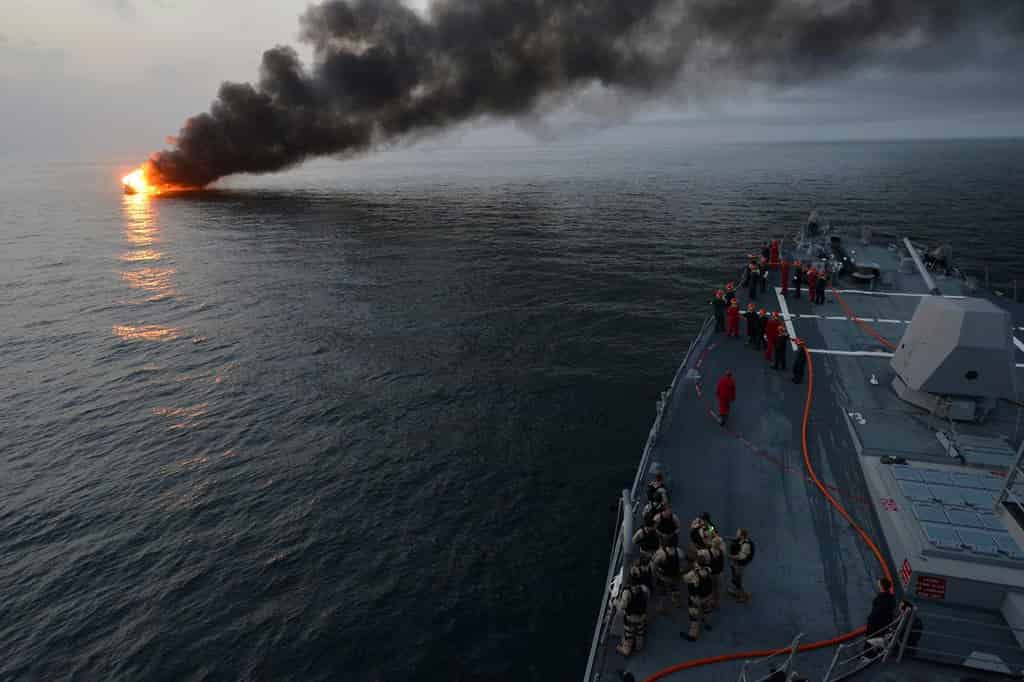
Strategic Challenges in Securing the Strait of Hormuz
June 30, 2026
Geopolitical Analysis
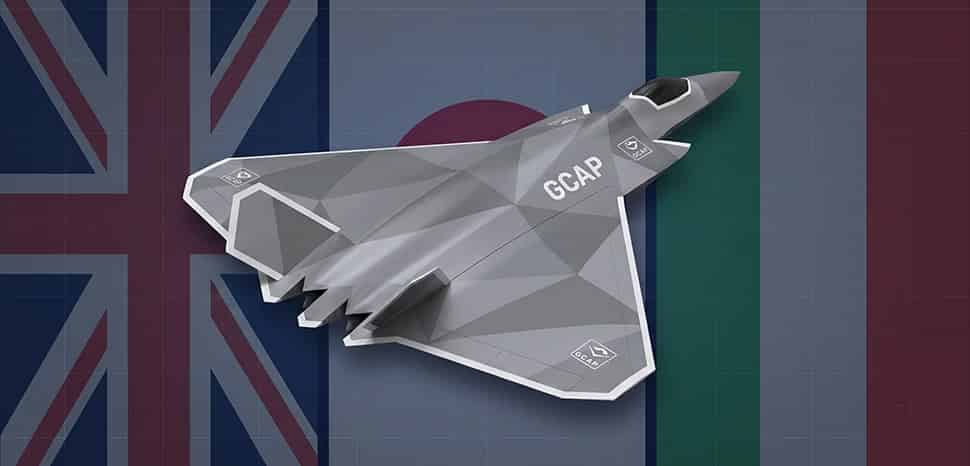
Sovereignty, Airpower & Alliance Integration Limits
June 30, 2026
Geopolitical Analysis
Myanmar: A Renewed Frontline in India-China Tensions
June 29, 2026