Category:
Geopolitical AnalysisIran's Internal Dynamics: The Path to Change
Introduction
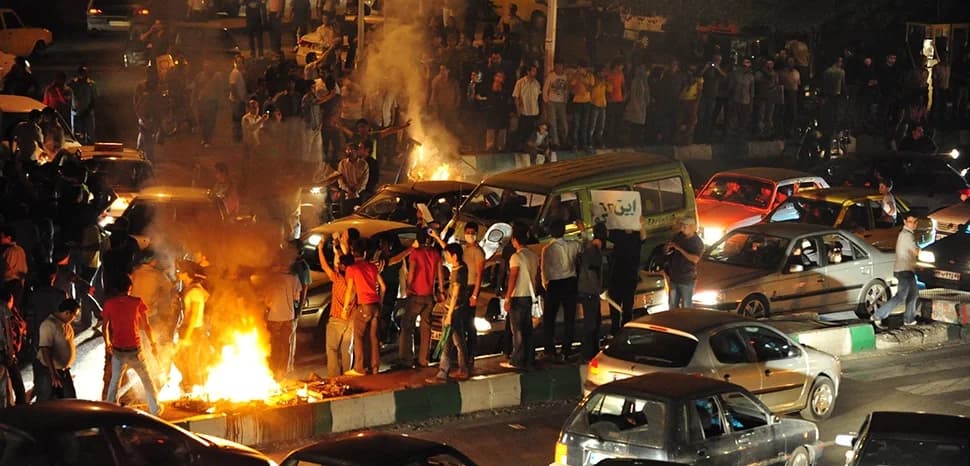
Iran finds itself at the center of global discussions as internal pressures mount. The nation, renowned for its deep-rooted culture and strategic significance, is witnessing persistent unrest driven by social and economic grievances. As the world watches, it becomes evident that if transformation is to occur, it will emerge from within the heart of Iranian society, not through external imposition. 🌍
Sustained Pressure and Social Unrest
In recent years, the frequency and consistency of protests in Iran have caught the attention of analysts worldwide. These demonstrations, often fueled by economic hardship and demands for greater freedoms, underscore a broader dissatisfaction with the current regime. The involvement of women and youth in these protests highlights a dynamic shift in the societal landscape, as these groups play crucial roles in shaping the discourse. 🔥
Organized Resistance: A New Phase
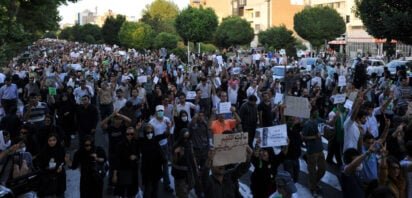
While initially sporadic, the resistance within Iran has matured into more organized forms. Groups advocating for democratic reforms have increasingly coordinated their efforts, drawing on historical precedents and modern strategies. This evolution from spontaneous protest to structured opposition is crucial in understanding the potential trajectory of change in Iran. ✊
The Role of Internal Actors
External narratives often mischaracterize Iranian unrest as leaderless or reliant on outside influences. However, the reality is more complex. Internal groups, such as the National Council of Resistance of Iran (NCRI), have laid out frameworks for a democratic transition. These proposals, including Maryam Rajavi's Ten-Point Plan, aim to provide a roadmap for governance reform and political reorganization. 📜
Challenges to Change
Change in Iran is not straightforward. Historical examples abound of regimes enduring internal pressures without immediate collapse. The resilience of Iran's government is not merely ideological but also institutional. Whether the pressure leads to adaptation, repression, or transformation depends on the cohesion or fragmentation of its security and governance structures. 🏛️
The Role of External Influences
For decades, foreign policies, especially from the United States, have oscillated between engagement and pressure, often misjudging Iran's internal dynamics. These policies have sometimes failed to recognize the agency of Iranian society, focusing instead on negotiating with or identifying "moderates" within the existing power structure. However, meaningful change is more likely to arise from within, driven by Iranians themselves. 🌐
Conclusion: Future Prospects
Iran's future remains uncertain, shaped by active and evolving forces within its society. While external actors can influence the environment, they do not dictate the process of change. The path forward may be uneven and prolonged, but the potential for transformation lies in the hands of Iran's own people. As the world observes, the story of Iran's journey toward change continues to unfold, offering hope and challenges in equal measure. 🌟
Key Takeaways
- Change in Iran is driven primarily by internal dynamics rather than external forces.
- Organized resistance is evolving, with frameworks like the NCRI's Ten-Point Plan providing potential pathways for reform.
- The resilience of Iran's regime is both ideological and institutional, affecting the outcome of sustained pressures.
- External actors must acknowledge the agency of Iranian society to understand the true nature of potential change.
Stay informed and engaged as Iran navigates its complex path toward potential transformation.
You May Also Like
Geopolitical Analysis
Saudi Arabia's Bold Minerals Strategy
July 1, 2026
Geopolitical Analysis
Strategic Challenges in Securing the Strait of Hormuz
June 30, 2026
Geopolitical Analysis
Sovereignty, Airpower & Alliance Integration Limits
June 30, 2026
Geopolitical Analysis
Myanmar: A Renewed Frontline in India-China Tensions
June 29, 2026