Category:
Geopolitical AnalysisIran's Militarization: Fearful Decisions
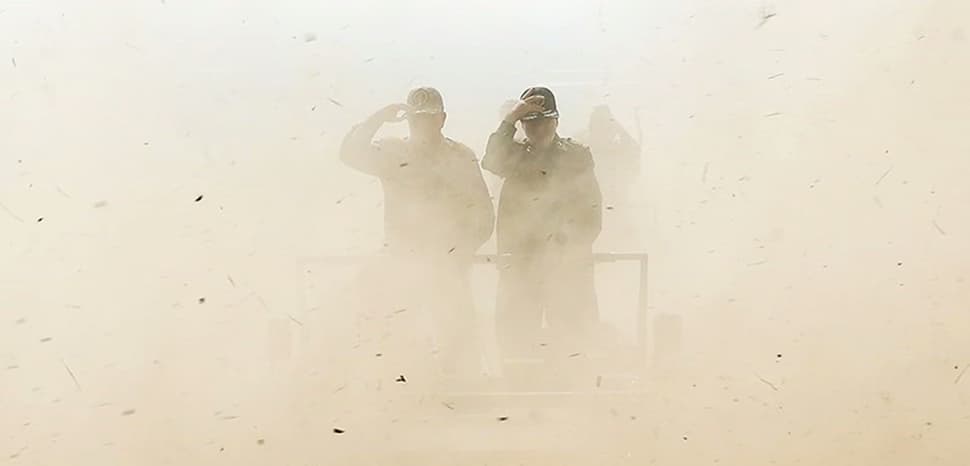
Understanding Iran's Militarization Dynamics
Iran's current political landscape is becoming increasingly militarized, a shift that reflects internal insecurities rather than mere external threats. This militarization is often associated with the Islamic Revolutionary Guard Corps (IRGC) gaining more influence over political matters. However, the true catalyst behind this shift lies in Iran's internal struggles rather than its geopolitical tensions abroad.
The Role of the IRGC
The IRGC’s growing presence within Iran’s governance does not indicate a straightforward transition to military rule. Instead, it highlights the regime's reliance on coercion to maintain control. The IRGC is deeply embedded in Iran’s political and economic fabric, supporting the regime's stability amidst societal unrest and declining legitimacy.
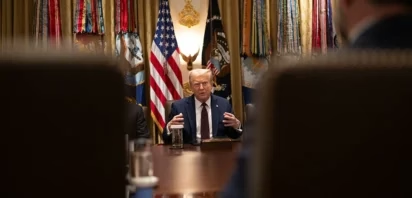
Internal Repression and External Confrontation
Recent weeks have seen a surge in state-led executions, including those of individuals linked to opposition groups like the MEK. These actions, coinciding with increased international tensions, underscore Iran’s focus on quelling internal dissent. If militarization were purely defensive, we would expect political consolidation and reduced domestic friction during such heightened international risk.
Societal Defiance and Government Response
Iran has witnessed recurring cycles of protest, with societal defiance becoming more visible. This widening gap between the state and its citizens has intensified despite external pressures. The regime’s increasing dependency on coercive measures is a testament to its efforts to manage these internal challenges, not a confident shift toward military governance.
Broader Geopolitical Implications
Narrative of Resilience vs. Militarization
A parallel narrative in geopolitical discourse suggests that, notwithstanding mounting pressures, Iran's regime remains resilient, capable of navigating crises and maintaining control. However, this overlooks the significant societal forces acting upon the state, which play a pivotal role in shaping Iran's future.
The Impact of International Relations
Iran's militarization has broader implications for international relations, particularly in the Middle East. The country's actions, driven by internal fears, could lead to increased regional instability. Understanding Iran’s motivations is crucial for constructing effective diplomatic strategies and fostering regional peace.
Future Considerations
Iran’s future trajectory hinges not only on the power dynamics between its clerics and generals but also on the societal pressures challenging both. It's essential for geopolitical analysts to consider these internal dynamics when assessing Iran's political future.
Conclusion
Iran’s militarization reflects a system under strain, relying on coercive power to address internal dissent rather than preparing for external conflict. The country’s future will be shaped by how it navigates these internal pressures and societal demands. As Iran continues to militarize, the global community must pay attention to these internal dynamics to understand the broader implications for regional and global security.
Key Takeaways
- Internal Strain: Iran's militarization reflects internal insecurities more than external threats.
- Role of IRGC: The IRGC's influence highlights the regime’s reliance on coercive power.
- Societal Pressure: Internal unrest is a significant factor in Iran's political decisions.
- Broader Implications: Iran's actions can affect regional stability and international relations.
Iran's path forward will require balancing internal demands with external pressures, shaping its role on the global stage.
You May Also Like
Geopolitical Analysis
Saudi Arabia's Bold Minerals Strategy
July 1, 2026
Geopolitical Analysis
Strategic Challenges in Securing the Strait of Hormuz
June 30, 2026
Geopolitical Analysis
Sovereignty, Airpower & Alliance Integration Limits
June 30, 2026
Geopolitical Analysis
Myanmar: A Renewed Frontline in India-China Tensions
June 29, 2026