Category:
Geopolitical AnalysisGulf Operations: Navigating Geopolitical Tides

Operating in the Gulf has always been a complex task, but recent geopolitical shifts have made it imperative for businesses to tread carefully. 🌍 From energy corridors to financial hubs, the Gulf is a pivotal axis in the global economy. Recent conflicts, especially in the context of Iran, have not only heightened awareness but also integrated geopolitical risk into the very fabric of business operations.
The Changing Geopolitical Landscape
For decades, the Gulf region has been a cornerstone of global energy supply, shipping, and logistics. However, the ongoing tensions have introduced a new level of risk. The Iran conflict has blurred the lines between geopolitical tension and business exposure, making it essential for companies to reassess their risk management strategies. The stakes are high as infrastructure like South Pars and Ras Laffan face threats, impacting global supply chains.

Energy and Economic Implications
The Gulf's role in the global economy cannot be overstated. It serves as a critical node for energy flow between continents, and any disruption can have far-reaching consequences. For instance, Qatar's Ras Laffan facility, vital for LNG exports, has seen significant disruptions, potentially cutting 17% of its export capacity. This not only affects Qatar but also European and Asian markets, tightening an already stressed energy market.
Sanctions: A Double-Edged Sword
Sanctions have become a primary tool in geopolitical strategy, but their effects are widespread and often unpredictable. As governments intensify enforcement, companies must navigate complex compliance landscapes. A mere procedural check is no longer sufficient; businesses must delve into ownership structures and intermediary roles to ensure compliance. The financial sector has already felt this impact, with banks like Citi and Standard Chartered adjusting their operations in response to rising tensions.
Cyber Threats in the Gulf
The integration of cyber threats into the Gulf's geopolitical fabric marks another layer of complexity. Cybersecurity is no longer a sidelined issue but a core component of strategic operations. From ransomware to sophisticated cyber espionage, the digital battlefield is as real as its physical counterpart, necessitating robust defense mechanisms.
Navigating the Challenges Ahead
To operate successfully in this dynamic environment, businesses must adopt a holistic approach to risk management, incorporating geopolitical analysis into decision-making processes. Companies should:
- Enhance compliance frameworks to adapt to evolving sanctions.
- Invest in cybersecurity measures to safeguard against digital threats.
- Maintain flexible supply chains to mitigate disruption risks.
Conclusion
Operating in the Gulf now demands more than traditional business acumen; it requires strategic foresight and adaptability. As geopolitical tensions continue to shape the region, businesses must remain vigilant and proactive in their approach. The Gulf is not just a geographical location but a dynamic intersection of commerce and politics, where the stakes are as high as the opportunities. 🔥
You May Also Like

Geopolitical Analysis
Saudi Arabia's Bold Minerals Strategy
July 1, 2026
Geopolitical Analysis
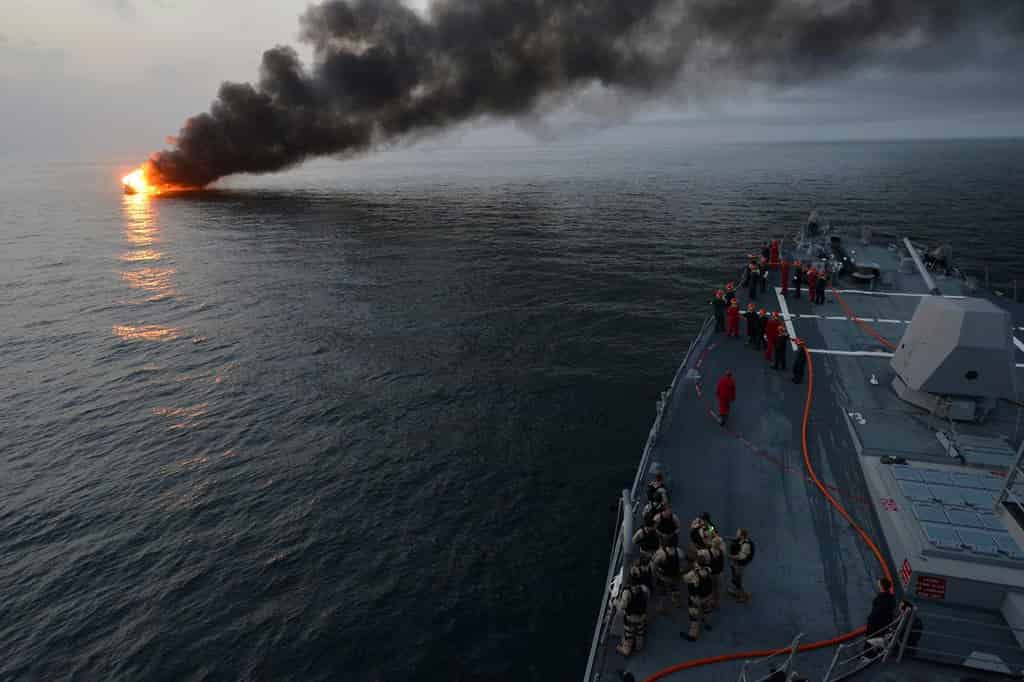
Strategic Challenges in Securing the Strait of Hormuz
June 30, 2026
Geopolitical Analysis
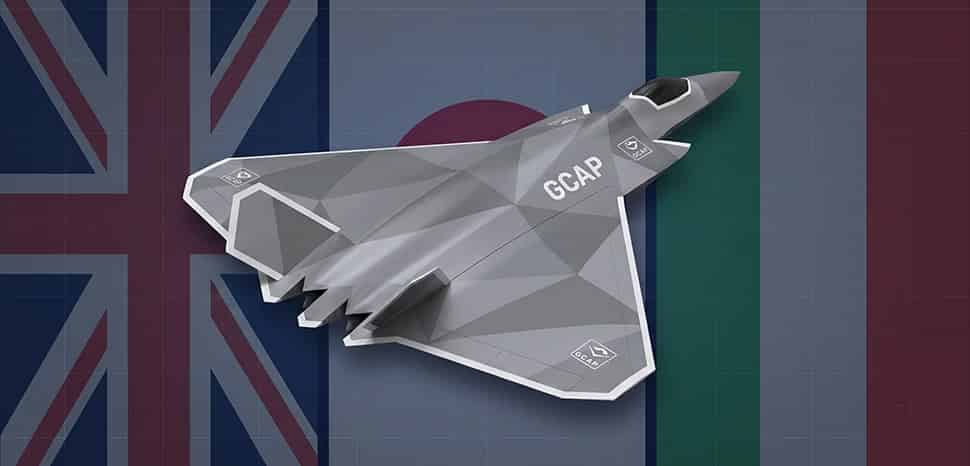
Sovereignty, Airpower & Alliance Integration Limits
June 30, 2026

Geopolitical Analysis
Myanmar: A Renewed Frontline in India-China Tensions
June 29, 2026