Category:
Geopolitical AnalysisIs Elite Information War Weakening Russia?
Introduction: A Nation at a Crossroads
In recent years, Russia has found itself navigating a complex geopolitical landscape. Internally, a growing disparity between reality and the narratives presented by state-controlled media has raised questions about the integrity of its governance. This analysis examines whether elite information warfare is hollowing out the Russian state, impacting its domestic stability and international relations.
The Power of Information Control 🎬
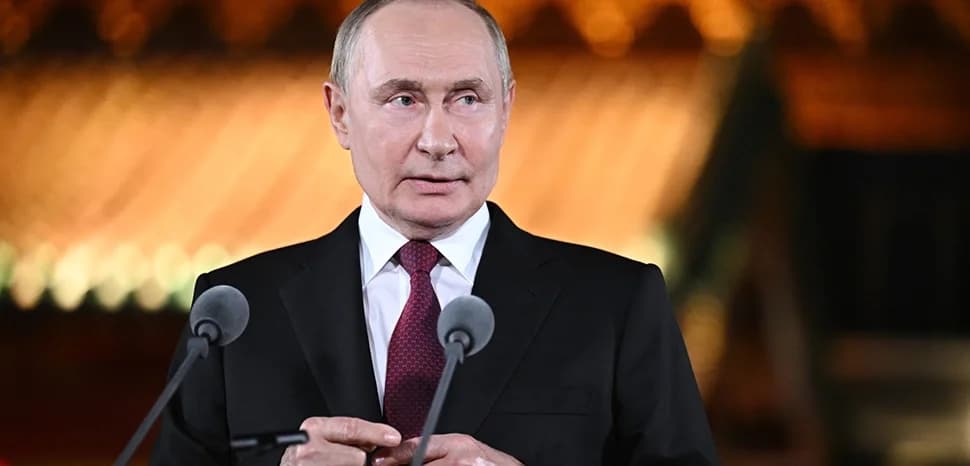
One of the most intriguing aspects of the Russian political system is President Vladimir Putin's reliance on filtered information. Unlike many world leaders, Putin reportedly does not use the internet, receiving curated data through the Presidential Administration. This centralized control creates a vulnerability: whoever manages the information flow has significant influence over the president's perception of reality.
In stable times, this system can function effectively, presenting a unified narrative. However, during periods of elite tension, information becomes a tool for internal struggle. Different factions within the administration may manipulate data to serve their interests, distorting the reality perceived by Putin.

Symptoms of a Fragmented System 🔬
Several episodes highlight the systemic nature of disinformation within Russia:
- Media Distortion: The Russian media space frequently shows inconsistencies between official statements and on-the-ground realities, undermining public trust.
- Policy Discrepancies: Local authorities in various regions have enacted policies intended to reduce social tension but instead exacerbated unrest, reflecting poor coordination and communication.
- Elite Criticism: Instances like the public accusations by pro-Kremlin blogger Ilya Remeslo against Putin suggest that criticism is becoming more permissible, even within loyalist circles.
These factors contribute to a widening gap between the Kremlin's perception and the country's actual conditions, creating a potentially unstable governance model.
Foreign Policy: A Shifting Landscape 🌍
Historically, Russia has utilized foreign policy as a demonstration of internal stability. However, recent years have seen cracks in this facade. Diplomatic downsizing, consular closures, and logistical issues in oil shipments to strategic partners like India reveal a discrepancy between rhetoric and reality.
The international community has begun to notice these inconsistencies, questioning Russia's reliability as a global partner. This erosion of credibility could have long-term implications for Russia's international standing.
Conclusion: The Road Ahead 🌟
As Russia grapples with these internal and external challenges, the question remains: is elite information warfare hollowing out the state? The evidence suggests a growing disconnect between the Kremlin's perception and the country's realities. This dissonance, if left unchecked, could destabilize Russia's governance and weaken its position on the global stage.
Looking forward, it will be crucial for Russia to address these internal discrepancies to maintain both domestic stability and international credibility. Whether through reforming information channels or fostering genuine dialogue within its elite, the path forward will require balancing power dynamics with transparent governance.
You May Also Like

Geopolitical Analysis
Saudi Arabia's Bold Minerals Strategy
July 1, 2026
Geopolitical Analysis
Strategic Challenges in Securing the Strait of Hormuz
June 30, 2026
Geopolitical Analysis
Sovereignty, Airpower & Alliance Integration Limits
June 30, 2026
Geopolitical Analysis
Myanmar: A Renewed Frontline in India-China Tensions
June 29, 2026