Category:
Geopolitical AnalysisIs North Koreanization Inevitable for Iran?

The Geopolitical Dilemma: Iran's Nuclear Future
Iran's geopolitical landscape is fraught with complex choices, each impacting its future on the international stage. As tensions rise and historical precedents loom large, one question stands out: Is "North Koreanization" the only logical path for Iran? This term refers to Iran adopting a security strategy similar to North Korea's, involving nuclear armament as a deterrent against foreign intervention.
Historical Lessons and Strategic Decisions
Throughout history, Iran has observed various geopolitical events that have shaped its strategic outlook. Three significant cases provide insight into why Iran might consider a path similar to North Korea's:
- Libya's Fate: In 2003, Libya, under Muammar Qadhafi, dismantled its weapons of mass destruction (WMD) program in exchange for international acceptance. However, eight years later, NATO's intervention contributed to Qadhafi's downfall, teaching Iran a cautionary tale about surrendering deterrence.
- Ukraine's Security Guarantees: In 1994, Ukraine gave up its nuclear arsenal under the Budapest Memorandum, receiving security assurances from global powers. Yet, Russia's annexation of Crimea in 2014 and subsequent invasion in 2022 showed the fragility of such guarantees, especially when strategic alliances shift.
- Iran's Own Experience: The Joint Comprehensive Plan of Action (JCPOA) signed in 2015 offered Iran sanctions relief in return for nuclear limitations. Despite compliance, the U.S. withdrawal in 2018 under President Trump undermined the trust in multilateral agreements.
The Rise of Hardline Politics in Iran
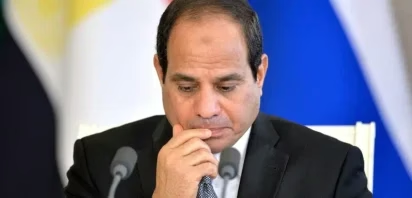
The internal dynamics in Iran have also shifted significantly. The position of Supreme Leader transitioned from Khamenei Sr. to his son, marking a hereditary succession. The Islamic Revolutionary Guard Corps (IRGC) is consolidating power, potentially steering Iran towards a more isolated and militarized stance.
Iran's hardliners, wary of Western intentions, view nuclear capability as a safeguard against foreign intervention. This perspective aligns with North Korea's doctrine of "Juche," emphasizing self-reliance and military readiness.
The North Korean Model: A Viable Strategy?
North Korea's nuclear strategy has historically deterred aggression, ensuring regime survival despite international sanctions. For Iran, the allure of such a strategy is evident, particularly after witnessing the limitations of diplomatic engagements and the frailty of international agreements.
Global Implications and Future Prospects
The potential "North Koreanization" of Iran poses significant challenges for global stability. It could trigger a regional arms race in the Middle East, escalating tensions among neighboring countries. Moreover, it complicates diplomatic efforts aimed at non-proliferation and peace.
Conclusion: Navigating Uncertain Waters
Iran stands at a crossroads, weighing the benefits and risks of a nuclear path. The lessons from Libya, Ukraine, and its own experiences under the JCPOA resonate strongly in Tehran's strategic calculus. While "North Koreanization" offers certain guarantees, it also invites global isolation and economic hardship.
For the international community, engaging Iran in meaningful dialogue and ensuring robust security assurances remains crucial. Only through sustained diplomatic efforts can a path towards stability and cooperation be charted.
As Iran navigates these turbulent waters, the world watches closely, hoping for a resolution that favors peace over proliferation.
You May Also Like

Geopolitical Analysis
Saudi Arabia's Bold Minerals Strategy
July 1, 2026
Geopolitical Analysis
Strategic Challenges in Securing the Strait of Hormuz
June 30, 2026
Geopolitical Analysis
Sovereignty, Airpower & Alliance Integration Limits
June 30, 2026
Geopolitical Analysis
Myanmar: A Renewed Frontline in India-China Tensions
June 29, 2026