Category:
Geopolitical AnalysisKazakhstan's Language Shift: Elevating Kazakh
Introduction: Kazakhstan's Linguistic Transition 🇰🇿
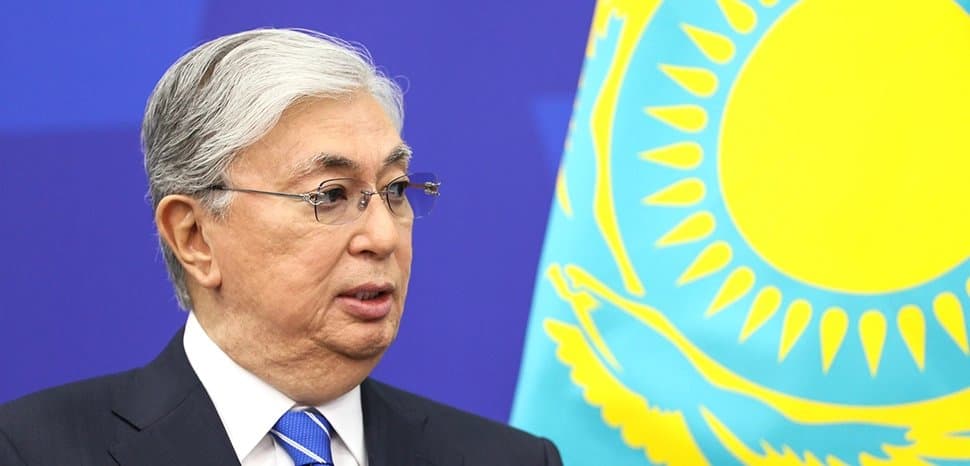
Kazakhstan is on the cusp of a significant linguistic transformation as it embarks on a mission to elevate the Kazakh language over Russian, a move embedded in its new constitutional framework. This change marks not just a shift in national identity but also reverberates through the geopolitical landscape, impacting relations with its northern neighbor, Russia.
Historical Context of Language in Kazakhstan 📜
Historically, Russian has dominated as the official language due to Kazakhstan's integration into the Soviet Union. This linguistic choice facilitated communication across the diverse ethnic tapestry of the region. However, with the fall of the Soviet Union and Kazakhstan's subsequent independence, there's been a gradual yet steady push towards embracing Kazakh as the primary language.
In the early 20th century, Soviet language policies favored Russian to unify the vast empire, a legacy that persists today. Yet, Kazakhstan's new constitutional draft, published on February 12, 2025, aims to make Kazakh the dominant language while maintaining Russian as an official language alongside it. This nuanced approach seeks to balance national identity with geopolitical pragmatism.

The Constitutional Changes and Their Implications 📄
The constitutional overhaul is extensive, revising 84% of the existing document and adding new sections. Key changes include the establishment of a unicameral government and the creation of a vice presidency to ensure stable leadership transitions. Notably, Article 9 emphasizes Kazakh's primacy while respecting Russian's official status.
This decision reflects broader geopolitical trends where language becomes a tool of soft power and cultural assertion. For instance, Moldova recently switched its official language from Moldovan to Romanian, symbolizing a subtle resistance to Russian influence.
Geopolitical Repercussions and Regional Dynamics 🌍
Kazakhstan's decision comes at a critical juncture, given the heightened tensions in Eastern Europe following the Ukraine conflict. As nations around Russia reconsider their linguistic and cultural affiliations, Kazakhstan's move can be seen as a strategic assertion of sovereignty.
While Russian media outlets have expressed concerns, the practical impact on Kazakhstan-Russia relations may be limited. The two nations share robust trade ties and the world's second-longest land border. Thus, while symbolically significant, the language shift is unlikely to drastically alter diplomatic or economic relations.
The Road Ahead: Challenges and Opportunities 🚧
Despite the ambitious constitutional changes, implementing the widespread use of Kazakh presents challenges. According to the 2021 census, while 80% of Kazakhstan's population speaks Kazakh, Russian remains the lingua franca in everyday communication and commerce.
The government has outlined initiatives to promote Kazakh, such as education reforms and cultural programs. However, ensuring these efforts resonate across Kazakhstan's ethnically diverse society might prove challenging. The Constitution's Article 41 underscores the importance of maintaining interethnic harmony, emphasizing the need for inclusive policies that respect all cultural identities.
Conclusion: A Delicate Balance 🎯
Kazakhstan's new constitutional emphasis on elevating Kazakh language marks a pivotal moment in its post-Soviet journey. While the geopolitical implications are profound, the internal challenges of fostering a cohesive national identity remain paramount. As Kazakhstan navigates this complex landscape, the world watches closely, pondering the broader implications for regional stability and cultural sovereignty.
In sum, Kazakhstan's linguistic policy is a bold step towards asserting its identity while carefully managing its diverse cultural fabric and strategic partnerships.
You May Also Like

Geopolitical Analysis
Saudi Arabia's Bold Minerals Strategy
July 1, 2026
Geopolitical Analysis
Strategic Challenges in Securing the Strait of Hormuz
June 30, 2026
Geopolitical Analysis
Sovereignty, Airpower & Alliance Integration Limits
June 30, 2026
Geopolitical Analysis
Myanmar: A Renewed Frontline in India-China Tensions
June 29, 2026