Category:
Geopolitical AnalysisKazakhstan's Potential OPEC+ Departure
In the wake of the United Arab Emirates' bold exit from OPEC+, the energy landscape is rapidly shifting. This move, announced on April 28, 2023, marks the fifth voluntary departure from the oil-producing cartel in a decade, raising questions about the future stability of the organization and the motivations driving member states to leave.
The UAE's Strategic Withdrawal 🌍
The UAE's decision to leave was primarily driven by a mismatch between its oil production capacity and the quotas imposed by OPEC+. Despite possessing the infrastructure to produce 4.85 million barrels per day—and aiming for a 5 million barrels per day target by 2027—Abu Dhabi's capacity utilization was languishing at around 66% by 2025. These constraints, coupled with strategic national interests, led to the UAE's departure.
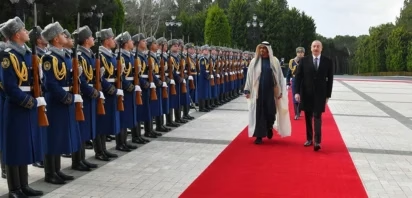
This move wasn't coordinated with other OPEC members, as clarified by UAE Energy Minister Suhail Al Mazrouei. Instead, it was a sovereign policy decision intended to align with the nation's long-term strategic goals.
Historical Context and Emerging Trends 📈
The UAE's exit is part of a broader trend of countries leaving OPEC due to various pressures, such as exceeding physical capacity quotas, declining oilfields, or financial burdens outweighing the benefits of membership. Since 2016, Indonesia, Qatar, Ecuador, and Angola have also departed, citing similar reasons.
OPEC's influence has waned, with its share of global crude falling below 30% and OPEC+ coverage at approximately 46%. This decline in power is prompting member states to reconsider their positions within the organization.
Kazakhstan: The Next in Line? 🛢️
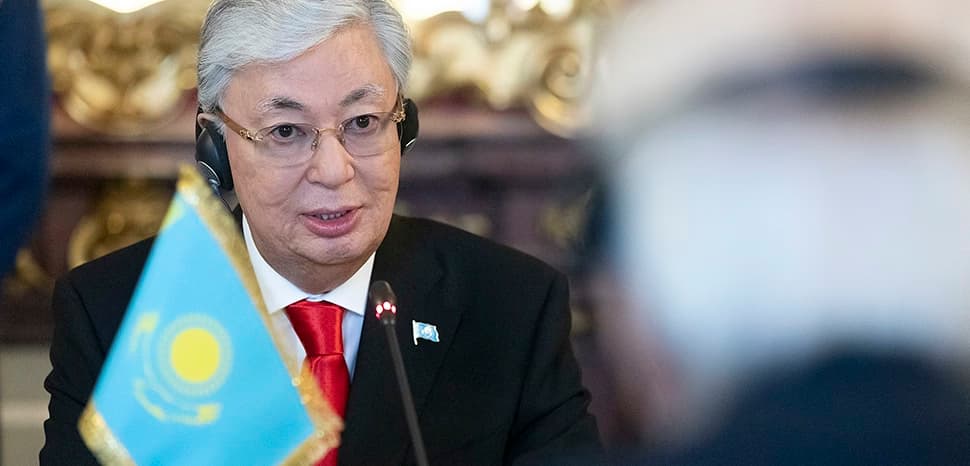
Amidst these departures, Kazakhstan emerges as a strong candidate for the next exit. Known for consistently exceeding its OPEC+ production quotas, Kazakhstan faces similar pressures that drove the UAE's decision. The Caspian Pipeline Consortium presents a logistical challenge, potentially delaying any immediate departure, but the underlying issues remain.
Kazakhstan's overproduction reflects a broader challenge for OPEC+: balancing national interests with collective stability. As countries prioritize economic growth and energy independence, the appeal of OPEC membership diminishes.
Implications for OPEC+ Stability 🔍
The potential exit of Kazakhstan would further destabilize OPEC+, reducing its ability to influence global oil prices. The organization's dwindling share of global production weakens its negotiating power, raising the stakes for remaining members.
For Kazakhstan, leaving OPEC+ could offer greater flexibility in managing its energy resources, aligning production with national goals without external constraints. However, this move could also impact its diplomatic standing and relationships with remaining OPEC+ members.
Looking Ahead: What to Expect 📅
As geopolitical and economic factors continue to evolve, the landscape of global energy alliances will shift. OPEC+ must adapt to maintain relevance, potentially redefining its role in the global oil market.
For now, Kazakhstan remains at a crossroads, weighing the benefits of OPEC+ membership against the autonomy of independent production. The decision will hinge on its strategic priorities and capacity to navigate complex geopolitical dynamics.
Key Takeaways 💡
- The UAE's exit from OPEC+ highlights the challenges of balancing national interests with collective goals.
- Kazakhstan faces similar pressures, making it a likely candidate for future departure.
- OPEC+'s influence is waning, necessitating adaptation to maintain global relevance.
- Kazakhstan's decision will impact its economic strategy and international relationships.
As the energy sector continues to evolve, the decisions of individual nations will shape the future of global oil production and geopolitical alliances.
You May Also Like

Geopolitical Analysis
Saudi Arabia's Bold Minerals Strategy
July 1, 2026
Geopolitical Analysis
Strategic Challenges in Securing the Strait of Hormuz
June 30, 2026

Geopolitical Analysis
Sovereignty, Airpower & Alliance Integration Limits
June 30, 2026
Geopolitical Analysis
Myanmar: A Renewed Frontline in India-China Tensions
June 29, 2026