Category:
Geopolitical AnalysisMaduro's Exit: A Veneer of Change
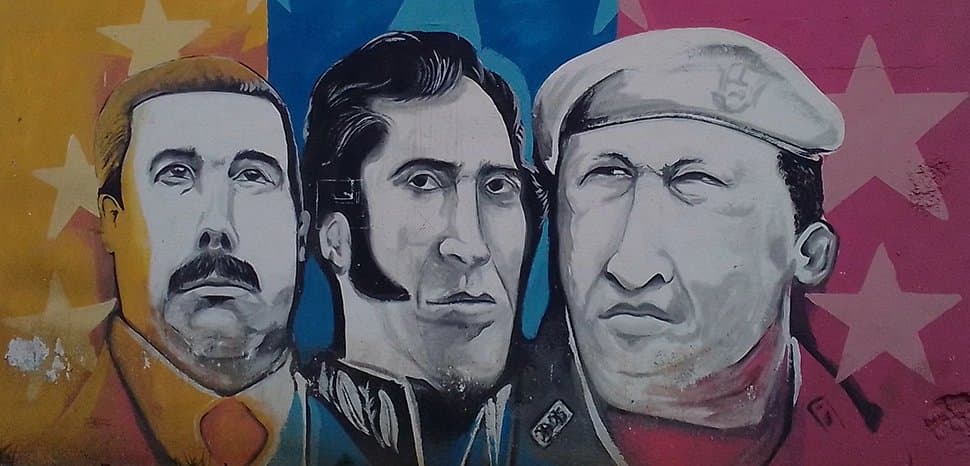
Venezuela's Political Landscape: A Complex Web
The recent departure of Nicolás Maduro from Venezuela's political helm might seem like a seismic shift in South American geopolitics. However, the reality is far more nuanced. The removal of Maduro is more akin to a change in the facade rather than a dismantling of the underlying structures that have long propped up Venezuela's regime. 🤔
Chavismo, the political ideology established under Hugo Chávez, is not merely the creation of a singular leader. It is a robust system, entrenched over decades, characterized by military influence, state-controlled economic levers, and a political hierarchy designed to withstand the winds of leadership change. This systemic resilience was apparent immediately following Maduro's exit, as key figures like the defense and interior ministers continued their roles unperturbed. 🏛️

A Managed Transition or Genuine Change?
Maduro's removal, while dramatic, represents more of a calculated transition than a genuine regime change. The core institutions—security services, the judiciary, electoral bodies, and economic monopolies—remain intact. This continuity underscores the regime's adaptability, sacrificing individuals to preserve systemic integrity. Such moves align with the broader geopolitical strategy of transactional diplomacy, notably employed by the Trump administration, which prioritizes stability and economic access over democratic reform. 📜
The U.S. Perspective: Pragmatism Over Ideals
The United States' approach to Venezuela underlines a pragmatic stance. By securing cooperation on key issues like narcotrafficking and energy sector access, while reducing China's influence in the region, Washington aims to achieve transactional outcomes without a long-term military or reformative commitment. This strategy, while beneficial for geopolitical stability, often sidelines democratic aspirations and institutional reforms. 🌐
Implications for Venezuelan Society
For the ordinary Venezuelan, the implications of this geopolitical chess game are profound. Elections sans institutional reform are largely ceremonial. Anti-corruption promises without accountability are mere rhetoric. The entrenched elites retain their wealth and influence, while the governance structure's external allegiances shift, not its fundamental nature. The political economy remains rooted in privilege and opacity, leaving civil society and opposition movements marginalized. 📉
The Broader Geopolitical Context
Globally, the pattern of regimes maintaining power through strategic alliances rather than internal reform is not unique to Venezuela. Similar dynamics are observed in other authoritarian regimes, where external lifelines are recalibrated rather than severed. The Venezuelan case is a testament to the resilience of autocratic systems, which often adapt rather than collapse under external pressure. 🔄
Future Outlook: What Lies Ahead?
For Venezuela, the road ahead is uncertain. While Washington may declare success and markets may react positively, the essential question remains: who truly holds power in Venezuela, and whose interests are being served? Without addressing these fundamental issues, Maduro's departure may only be a footnote in the larger narrative of Venezuela's political saga. 🛤️
In conclusion, while the removal of Nicolás Maduro might appear as a decisive action on the global stage, it risks being more of a political spectacle than a genuine transformation unless accompanied by comprehensive institutional reforms and a commitment to democratic principles. The real change will only occur when the entrenched systems that uphold autocracy are dismantled, paving the way for a more equitable and democratic society. 🌟
You May Also Like

Geopolitical Analysis
Saudi Arabia's Bold Minerals Strategy
July 1, 2026
Geopolitical Analysis
Strategic Challenges in Securing the Strait of Hormuz
June 30, 2026
Geopolitical Analysis
Sovereignty, Airpower & Alliance Integration Limits
June 30, 2026
Geopolitical Analysis
Myanmar: A Renewed Frontline in India-China Tensions
June 29, 2026