Category:
Geopolitical AnalysisPakistan: Bridge or Fault Line Amid Hormuz Tensions?
A Region on the Brink 🔥
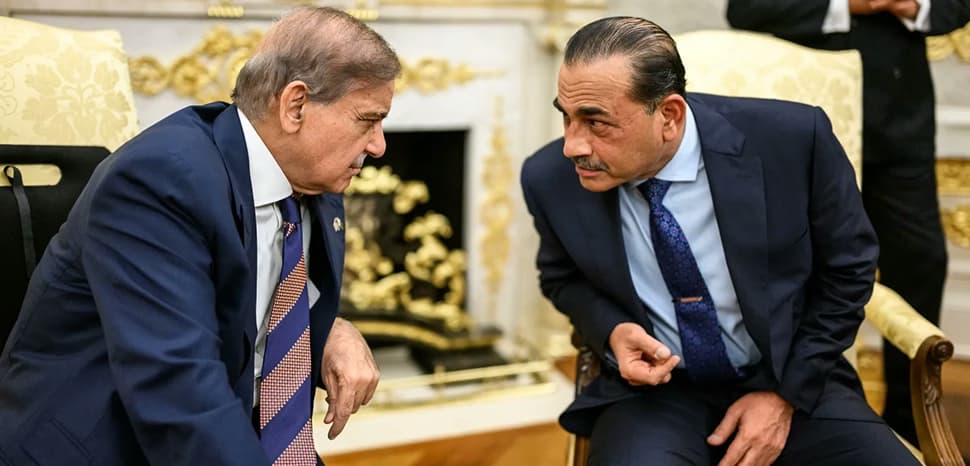
As tensions escalate in the Strait of Hormuz, a critical juncture of global oil transport, the world's gaze turns to Pakistan. Once seen as a volatile player, Pakistan is now emerging as a potential stabilizer in this geopolitical chess game. But is Pakistan the bridge to peace or the fault line that could fracture under pressure?
The Strategic Importance of Pakistan's Geography 🌏
Pakistan's strategic location at the intersection of South Asia, the Gulf, and Central Asia has never been more significant. This geographically pivotal position allows it to maintain ties with seemingly opposed entities. It represents Iranian interests in Washington, yet retains deep security ties with the United States. Additionally, its relationships with Saudi Arabia and the United Arab Emirates are balanced by a cordial rapport with Tehran.
Economic Implications and Energy Dependencies 📈
Iran's blockade of the Strait of Hormuz has sent shockwaves through global oil markets, with prices surging and economies trembling from Karachi to Canberra. For Pakistan, heavily reliant on energy imports, any prolonged disruption could lead to severe economic instability, including currency fluctuations, inflation, and social unrest. The stakes are high, and Pakistan's role as a mediator is as much about self-preservation as it is about diplomacy.
Diplomatic Maneuvering: Pakistan's New Role 🤝
April 2026 marked a turning point when Pakistan successfully brokered a 14-day ceasefire between Washington and Tehran. This diplomatic feat was not just a victory but a demonstration of Pakistan's emerging role as a mediator. The move was supported by an informal coalition of Saudi Arabia, Turkey, and Egypt, recognizing the need for a diplomatic voice that could engage both superpowers without direct involvement.
The Intricacies of Nuclear Negotiations ⚛️
At the heart of these negotiations is the contentious issue of nuclear verification. The demands for intrusive inspections clash with Iran's sovereignty, making this a deeply emotional and complex negotiation. Pakistan's ability to act as a conduit for communication, relaying proposals between the US and Iran, underscores its critical role in this high-stakes dialogue.
Challenges and Risks: A Fragile Peace ✌️
Despite the diplomatic progress, the underlying mistrust between the US and Iran remains a significant hurdle. Washington's demands for full nuclear dismantlement are viewed as extreme by Tehran, which seeks sanctions relief and security guarantees. These irreconcilable expectations put immense pressure on Pakistan's diplomatic efforts, risking the collapse of its carefully constructed bridge.
Looking Ahead: What Lies in the Balance? 🔮
As the world watches, Pakistan's role in the Hormuz crisis is a test of its ability to transform from a nation seen through the lens of instability to one that can stabilize a fractured international order. The outcome of this crisis will determine whether Pakistan can maintain its delicate balancing act or if it will become a fault line under geopolitical pressures.
In conclusion, while Pakistan's emergence as a diplomatic intermediary is promising, the road ahead is fraught with challenges. The success of these negotiations could redefine Pakistan's role on the global stage, but the risks of failure carry equally profound consequences.
You May Also Like

Geopolitical Analysis
Saudi Arabia's Bold Minerals Strategy
July 1, 2026
Geopolitical Analysis
Strategic Challenges in Securing the Strait of Hormuz
June 30, 2026
Geopolitical Analysis
Sovereignty, Airpower & Alliance Integration Limits
June 30, 2026
Geopolitical Analysis
Myanmar: A Renewed Frontline in India-China Tensions
June 29, 2026