Category:
Geopolitical AnalysisPower TRIPP: Trump's Diplomatic Strategy
Understanding TRIPP: A New Diplomatic Paradigm 🎯
The Trump Route for International Peace and Prosperity (TRIPP) isn't just another infrastructure endeavor. It's a bold expression of former President Trump's unique diplomatic style, which is deeply rooted in transactional principles. This approach redefines traditional diplomacy, shifting from multilateral cooperation to bilateral dealmaking.
The Strategic Corridor: Armenia and Azerbaijan's Tensions 🔍
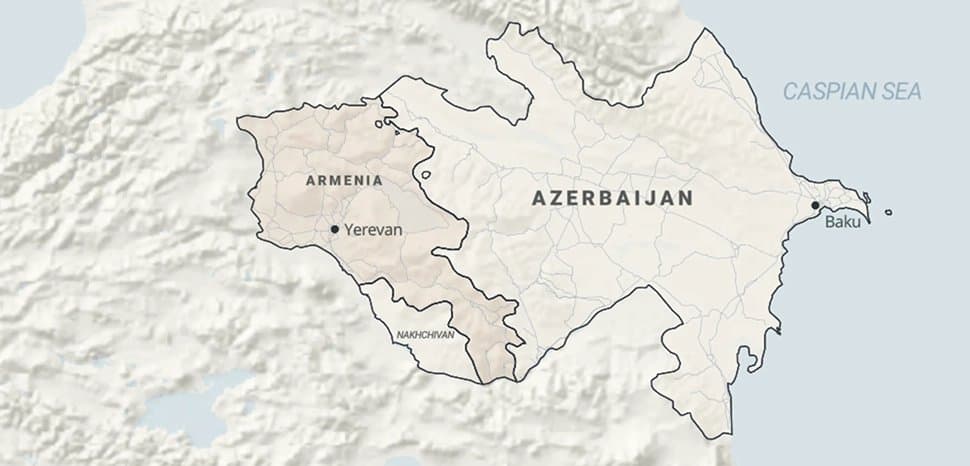
The geopolitical landscape of the South Caucasus is as complex as it is strategically significant. Azerbaijan's push for an unimpeded corridor through Armenia's Syunik province—historically known as Zangezur—highlights this complexity. This corridor, known as the Zangezur Corridor, aims to link Azerbaijan with its exclave, Nakhchivan, and further extend to Türkiye.

Armenia, however, is cautious about relinquishing control over this crucial territory. Instead, it proposes an alternative named the Crossroads of Peace, aiming to preserve sovereignty while reopening regional transport links.
Geopolitical Underpinnings: A Broader Context 🌍
The region's intricate dynamics are further tangled by the involvement of major powers like Russia and Iran. Under the 2020 peace agreement, Russian border guards were tasked with overseeing this prospective transit route, highlighting Moscow's entrenched influence. Meanwhile, Iran remains wary of any increased American presence near its borders, reflecting broader geopolitical anxieties.
TRIPP: The Hallmarks of Trump's Foreign Policy 🗝️
TRIPP exemplifies Trump's foreign policy hallmarks: bilateralism, commercial benefits, and transactional diplomacy. It bypasses traditional multilateral frameworks, sidelining actors like the OSCE Minsk Group, and instead focuses on direct agreements witnessed by the U.S. president.
This approach marks a departure from longstanding U.S. efforts to maintain global alliances. Instead, it favors short-term gains through reciprocal agreements, prioritizing U.S. economic interests.
The Economic and Strategic Implications 📈
The TRIPP initiative aligns with the broader Middle Corridor strategy, offering an alternative to Russian-controlled routes. This corridor, extending from Europe to Central Asia via the Caspian Sea, has gained strategic importance, especially following disruptions in northern supply routes due to the conflict in Ukraine.
Central to this strategy is access to critical minerals, underscoring the economic motivations behind TRIPP.
Trump's Personal Diplomacy: An Unconventional Approach 🤝
The negotiation process for TRIPP was notably unconventional. Trump entrusted the talks to Steve Witkoff, a real estate developer and close confidant. This reliance on trusted individuals, rather than the State Department, reflects Trump's skepticism towards traditional diplomatic institutions.
Conclusion: The Future of Transactional Diplomacy 🔮
As TRIPP unfolds, its implications for international diplomacy are profound. It challenges the traditional multilateral order, emphasizing bilateral agreements and commercial interests. This approach, while controversial, has the potential to reshape geopolitical alignments and economic networks.
Key Takeaways:
- TRIPP symbolizes a shift towards transactional diplomacy.
- The initiative has significant economic and geopolitical implications.
- Personal diplomacy and economic interests are central to this strategy.
Looking ahead, the success or failure of TRIPP could influence future diplomatic ventures, particularly in regions where traditional multilateral frameworks have stalled.
You May Also Like

Geopolitical Analysis
Saudi Arabia's Bold Minerals Strategy
July 1, 2026

Geopolitical Analysis
Strategic Challenges in Securing the Strait of Hormuz
June 30, 2026

Geopolitical Analysis
Sovereignty, Airpower & Alliance Integration Limits
June 30, 2026
Geopolitical Analysis
Myanmar: A Renewed Frontline in India-China Tensions
June 29, 2026