Category:
Geopolitical AnalysisSoutheast Asia's Verdict on US Power
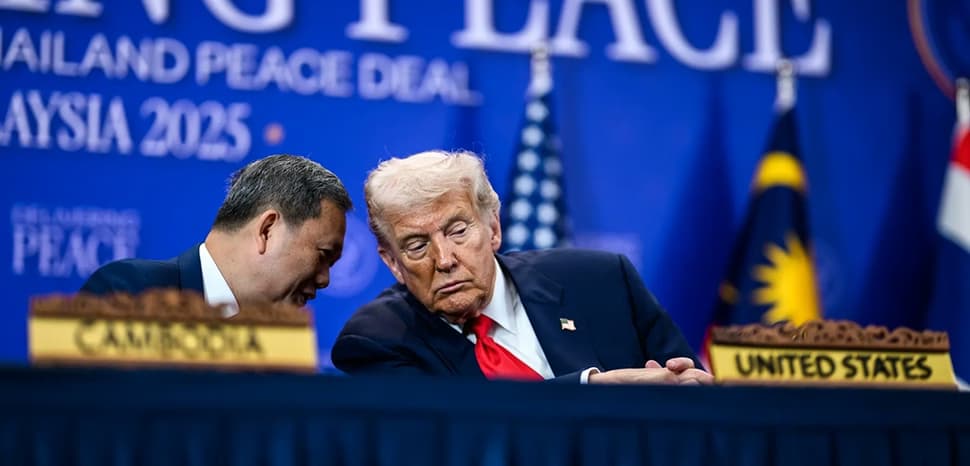
The Geopolitical Crossroads of Southeast Asia
In the bustling corridors of Southeast Asia, a silent yet profound shift is reshaping the geopolitical landscape. While global attention often gravitates towards the power dynamics between the United States and China, the region's quiet verdict on US power deserves closer scrutiny. 🌏✨
Historical Context and Strategic Shifts
For decades, the United States played a pivotal role in Southeast Asia's transformation. The US Navy ensured secure sea lanes, facilitating the region's economic boom, while the US dollar supported international trade. However, recent events have led to a reassessment of US influence.

The Impact of Global Interventions
US interventions, from Libya to Afghanistan, have often resulted in instability, raising questions about America's long-term strategic commitment. As these conflicts reverberate globally, Southeast Asian nations bear the economic brunt. The Strait of Hormuz, for instance, is a critical chokepoint for global oil, and any disruption affects Asian economies like Vietnam and Thailand almost instantaneously. 🔄💡
Strategic Autonomy: The New Doctrine
Amid this uncertainty, Southeast Asia is embracing a doctrine of strategic autonomy. This isn't a pivot towards China but rather a move towards independence from external influence. The region is keen to avoid entanglements in superpower rivalries, focusing instead on maintaining stability and economic growth.
The Economic Colossus: China's Growing Influence
China's economic integration with Southeast Asia is profound, with trade surpassing $900 billion annually through the Regional Comprehensive Economic Partnership (RCEP). This partnership underscores China's critical economic role in the region, reshaping infrastructure and digital landscapes. Yet, with economic integration comes the shadow of dominance, especially as China's military capabilities expand.
The US-China Dilemma
The strategic tussle between the US and China places Southeast Asia in a precarious position. While AUKUS promises long-term deterrence, its tangible benefits appear distant. Meanwhile, China's naval prowess grows rapidly, presenting a present-day reality that Southeast Asian nations must navigate carefully. ⚓🔍
Balancing Act in a Multipolar World
For Southeast Asian countries, the challenge lies in balancing these competing influences without succumbing to either. This balance is not just about maintaining peace but ensuring that economic prosperity is not compromised by geopolitical tensions. The region seeks to chart a path that leverages its geographic and economic strengths while avoiding the pitfalls of great power politics.
Conclusion: Navigating the Future
As Southeast Asia continues to evaluate its stance on US power, the focus remains on maintaining regional stability and fostering economic resilience. The verdict may not be loud, but it is clear: the region desires a future where no single power dictates its destiny. As the world evolves into a more complex multipolar order, Southeast Asia's choice reflects a broader desire for autonomy and balance. 🌟🌏
In this dynamic geopolitical climate, Southeast Asia's strategic autonomy stands as a testament to its adaptability and foresight, ensuring that it remains a pivotal player on the global stage.
You May Also Like

Geopolitical Analysis
Saudi Arabia's Bold Minerals Strategy
July 1, 2026
Geopolitical Analysis
Strategic Challenges in Securing the Strait of Hormuz
June 30, 2026
Geopolitical Analysis
Sovereignty, Airpower & Alliance Integration Limits
June 30, 2026
Geopolitical Analysis
Myanmar: A Renewed Frontline in India-China Tensions
June 29, 2026