Category:
Geopolitical AnalysisStraitBelt: Africa's Strategic Transformation
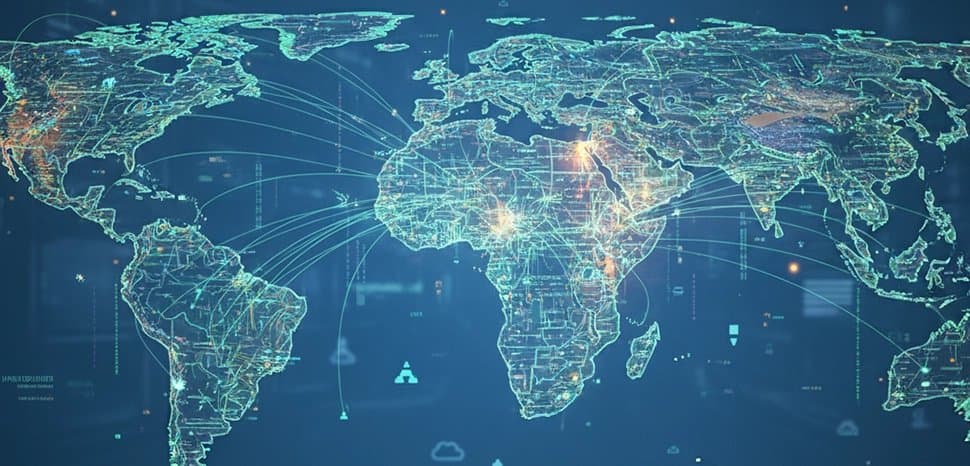
In the 21st century, power dynamics have transcended traditional boundaries and military might. Today, influence is wielded through strategic corridors, chokepoints, and value chains that dictate global trade, energy security, and digital resilience. 🌍 Africa, often underestimated, is rising as a pivotal player in this reconfigured geopolitical landscape, driven by initiatives like StraitBelt.
Africa's Emergence on the Global Stage
Africa's potential is vast. By 2050, its population is projected to reach 2.5 billion, with a significant portion of the world's youth residing on the continent. This demographic boom is coupled with Africa's rich geological endowment, housing over a third of global mineral reserves essential for the green transition. Additionally, Africa boasts vast uncultivated arable land, crucial for global food security amidst climate volatility.
The continent's strategic position along key maritime routes further enhances its leverage, underscoring Africa's transformation from a mere resource reservoir to a regulator of global circulation.
StraitBelt: Redefining Sovereignty
StraitBelt is not just another connectivity project; it's a revolutionary framework that redefines African power through the governance of interdependence. Unlike traditional geopolitical paradigms focused on control and isolation, StraitBelt emphasizes connectivity and coordination.
The New Sovereignty
Sovereignty through StraitBelt is exercised by linking landlocked states with coastal logistics networks, turning hinterlands into strategic assets. This model values efficiency, resilience, and the ability to absorb shocks over rigid borders or outdated hierarchies.
Addressing Structural Challenges
Africa faces significant logistical challenges. Economies lacking maritime access endure transportation costs nearly 50% higher than coastal counterparts. Prolonged port dwell times exacerbate these issues, inflating logistics costs and transmitting global disruptions directly to consumers. In 2023, global food import bills hit record highs, pushing inflation and food insecurity across many regions.
Disconnection breeds insecurity. In areas like the Sahel and Chad Basin, broken logistical chains create opportunities for extremist networks. StraitBelt aims to stabilize regions by connecting energy, transport, digital routes, and security mechanisms, fostering modern sovereignty through shared responsibility.
Examples of Transformation
The Atlantic corridor is a prime example of StraitBelt's impact, linking industrial zones and inland markets to global flows. In the north, coordinated maritime surveillance has transformed busy passages into confidence zones, reducing threats and disruptions.
In southern Africa, emerging green energy ecosystems, hydrogen networks, and regional interconnections are reshaping development models. Large-scale gas pipelines and Afro-Atlantic partnerships illustrate how infrastructure and diplomacy can turn geography into strategy.
Conclusion: A New African Narrative
StraitBelt positions Africa at the forefront of global interdependence, allowing the continent to co-author the rules governing circulation. As Africa continues to unlock its potential, it offers a new narrative of strategic collaboration, making it a cornerstone of the global order. 🔥
In summary, Africa's ascension through StraitBelt is a testament to the power of connectivity and cooperation in redefining sovereignty and influence in a rapidly changing world.
You May Also Like

Geopolitical Analysis
Saudi Arabia's Bold Minerals Strategy
July 1, 2026
Geopolitical Analysis
Strategic Challenges in Securing the Strait of Hormuz
June 30, 2026
Geopolitical Analysis
Sovereignty, Airpower & Alliance Integration Limits
June 30, 2026
Geopolitical Analysis
Myanmar: A Renewed Frontline in India-China Tensions
June 29, 2026