Category:
Geopolitical AnalysisTrump's Marine Strategy: Countering China in the Pacific
A Strategic Move in the Pacific 🌊
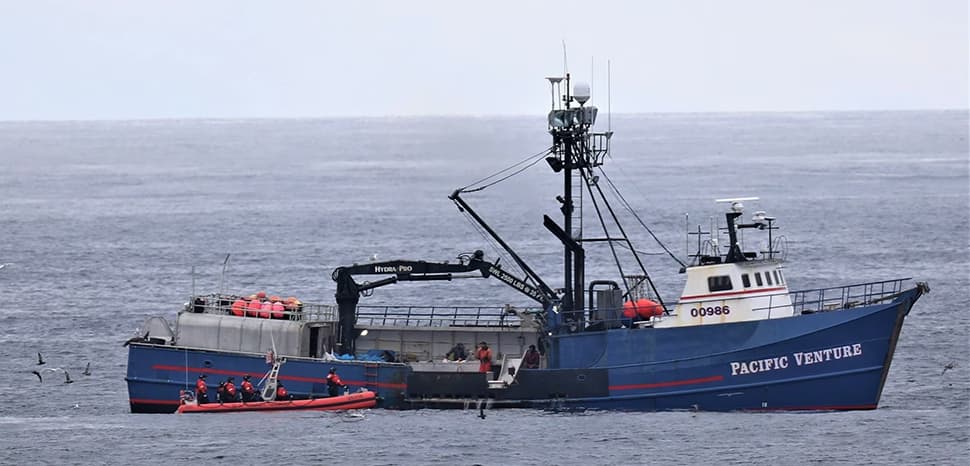
In a bold geopolitical maneuver, President Trump has made a significant announcement to reopen several Marine National Monuments in the Pacific Ocean. This move, aimed at bolstering the US fishing industry, is also a strategic response to China's growing maritime influence in the region. By expanding access to over 500,000 square miles of protected waters, the United States is reclaiming its presence in areas where Chinese vessels have increasingly operated.
The Reopening of Pacific Marine Monuments 🐟
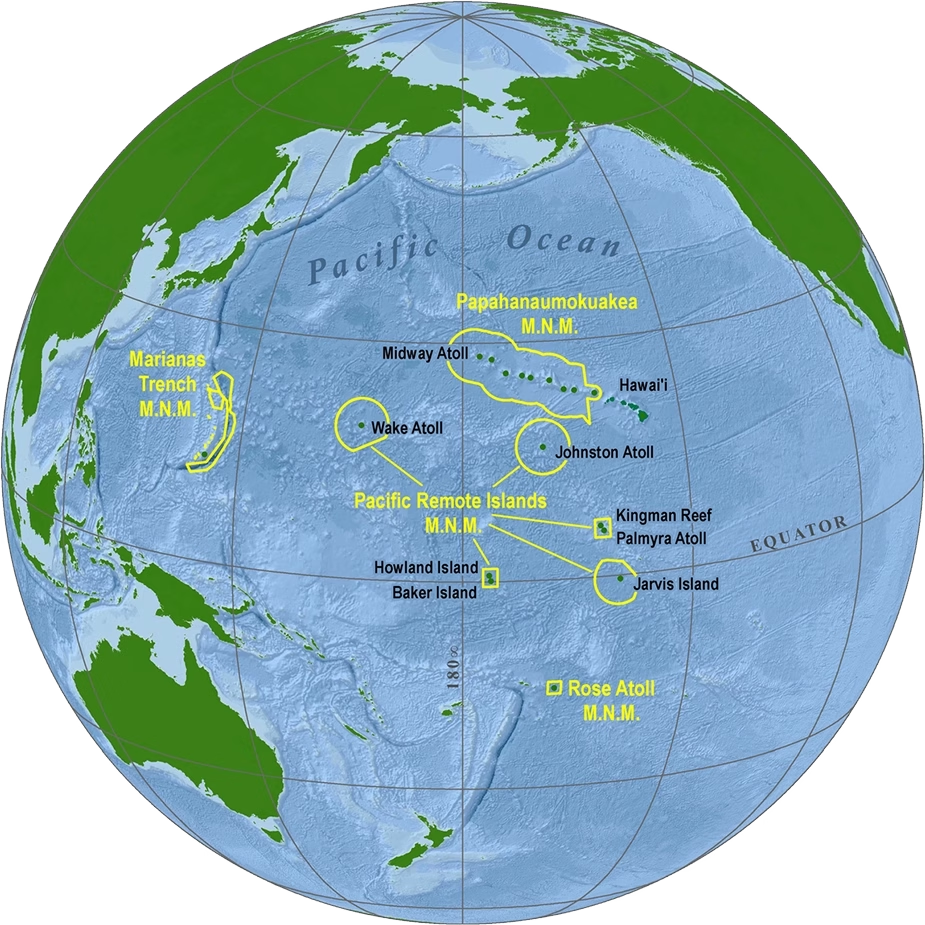
On April 16, 2025, the Trump administration reopened the Pacific Remote Islands Marine National Monument (PRIMNM), a vast area spanning over 490,000 square miles. This was followed by the reopening of additional protected waters on June 11, 2026, which included significant regions like Papahānaumokuākea, the Islands Unit of the Mariana Trench, and Rose Atoll. These areas are now accessible to US-flagged vessels, marking a shift in the maritime dynamics of the Pacific.
Impacts on US-China Maritime Competition 🛥️
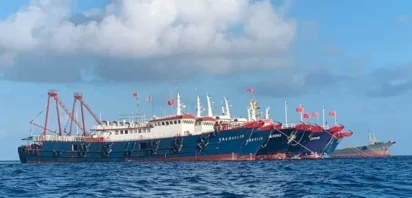
The decision to open these monuments is not solely about economic gains from commercial fishing. It is also a tactical move to counter China's maritime activities. China's distant water fishing fleet has been expanding its reach, often operating near these sensitive areas. By reintroducing US vessels into these waters, the United States is asserting its presence and challenging China's unchecked expansion.
The Role of PRIMNM
PRIMNM is a critical area as it encompasses seven islands and atolls. The reopening extends US fishing rights from 12 to 200 nautical miles, covering a significant portion of the US Pacific exclusive economic zones (EEZ). This expansion not only increases commercial pressure but also provides a legitimate reason for enhanced US Coast Guard and Navy patrols, further fortifying US maritime security interests.
Strategic Locations and Military Implications 🚢
The Papahānaumokuākea Marine National Monument is strategically located northwest of the Hawaiian Islands, a critical surveillance region for the US military. Its proximity to the high-seas North Pacific, governed by the North Pacific Fisheries Commission (NPFC), means that increased US civilian maritime activity could potentially deter Chinese coast guard patrols, which often attempt to assert dominance through so-called "gray zone" tactics.
The Mariana Trench and Guam Connection
The Mariana Trench Monument’s Islands Unit, covering 95,000 square miles, is another strategic point. Located between the Northern Mariana Islands and Guam, this area sees increased civilian maritime traffic, complicating surveillance for foreign vessels. Guam's role as a pivotal US military base means that civilian fishing activities could be integrated into broader US military strategies, further embedding US presence.
Rose Atoll and the South Pacific 🌐
Near American Samoa, Rose Atoll encompasses over 13,000 square miles at the edge of the South Pacific. This region is crucial as Chinese fishing fleets have operated close to Pacific Island EEZs with little enforcement. By reopening Rose Atoll, the US establishes a jurisdictional interest close to areas where China has been increasing its influence through investments and trade agreements with Pacific Island nations like Fiji, Solomon Islands, and Vanuatu.
Conclusion: A Maritime Chessboard 🏁
President Trump's proclamation to open these marine monuments is more than a deregulation effort; it's a calculated geopolitical strategy. By placing US fishing vessels in waters near China's expanding maritime footprint, the US is not only boosting its domestic industry but also reinforcing its strategic presence in the Pacific. The effectiveness of this move will depend on Washington's ability to forge new partnerships with Pacific Island communities, enhancing both enforcement and influence.
The reopening of these monuments marks a pivotal moment in the ongoing US-China maritime competition, setting the stage for future geopolitical developments in the Pacific.
You May Also Like

Geopolitical Analysis
Saudi Arabia's Bold Minerals Strategy
July 1, 2026
Geopolitical Analysis
Strategic Challenges in Securing the Strait of Hormuz
June 30, 2026
Geopolitical Analysis
Sovereignty, Airpower & Alliance Integration Limits
June 30, 2026
Geopolitical Analysis
Myanmar: A Renewed Frontline in India-China Tensions
June 29, 2026