Category:
Geopolitical AnalysisSyrian Refugee Returns: Politics & Realities Unveiled
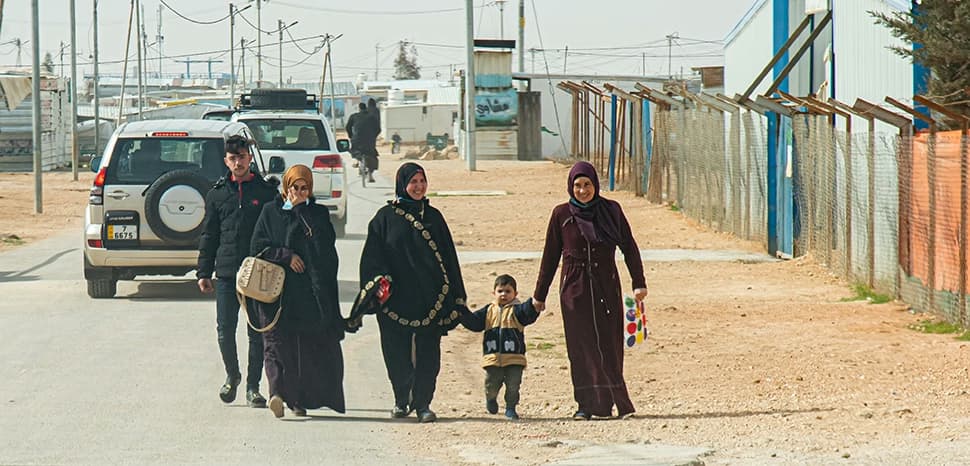
The Complex Dynamics of Syrian Refugee Returns
The Syrian civil war, which erupted in 2011, led to one of the largest displacement crises in recent history. Millions fled Syria, seeking refuge in neighboring countries and Europe. However, with the fall of Bashar al-Assad in December 2024, a new chapter began, marked by questions of return and reintegration. 🌍
Political Pressures and Humanitarian Concerns
In March 2026, Syrian President Ahmed al-Sharaa's visit to Germany underscored the geopolitical tension surrounding Syrian refugees in Europe. Germany, hosting nearly 1 million Syrian nationals, faces significant political pressure to facilitate their return. Chancellor Friedrich Merz announced plans for 80% of these refugees to return home over the next three years. Yet, the reality on the ground raises questions about the feasibility of such plans.
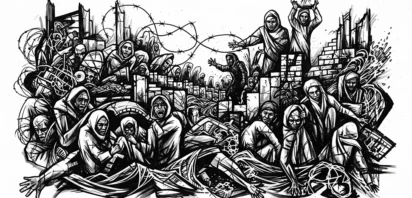
A Historical Overview
When Assad's regime fell, approximately 7.4 million Syrians were internally displaced, and 4.9 million resided in neighboring countries. The immediate aftermath saw European countries halting asylum processing, leaving many in limbo. Despite the regime change, conditions for a safe and dignified return remain elusive, with many refugees lacking adequate support and resources.
Regional Impacts and Responses
Neighboring countries like Türkiye, Lebanon, and Jordan have borne the brunt of the refugee influx. Türkiye, with its extensive border with Syria, hosts over 3.7 million refugees. Initially adopting an open-door policy, Türkiye provided temporary protection rather than formal refugee status. This approach, while pragmatic, left many in a state of uncertainty, facing growing public hostility and administrative challenges.
The Return Dilemma
Political changes in Syria have prompted some returns, with Türkiye reporting several hundred thousand returnees by mid-2025. The Turkish government, alongside the UNHCR, highlights these as voluntary returns, yet human rights organizations raise concerns about the voluntariness given the mounting pressures in host countries.
The Role of International Community
For a sustainable resolution, the international community must play a pivotal role. This includes ensuring that returnees are welcomed back to a safe environment, with access to basic services and opportunities for reintegration. The proposed "circular" migration model by President al-Sharaa offers a potential pathway, allowing Syrians to contribute to reconstruction efforts without relinquishing their newfound stability in Europe.
Conclusion: Navigating the Path Forward
The future of Syrian refugees hinges on balancing political imperatives with humanitarian realities. It requires coordinated efforts to ensure that returns are safe, voluntary, and sustainable. As the international community grapples with these challenges, the voices of refugees must remain central to the dialogue, shaping policies that respect their rights and aspirations. 🤝
Key takeaways include the need for thoughtful planning and international cooperation to address the complexities of refugee returns. Policymakers must consider both the political pressures and the humanitarian needs, ensuring that solutions are rooted in empathy and pragmatism.
You May Also Like

Geopolitical Analysis
Saudi Arabia's Bold Minerals Strategy
July 1, 2026

Geopolitical Analysis
Strategic Challenges in Securing the Strait of Hormuz
June 30, 2026

Geopolitical Analysis
Sovereignty, Airpower & Alliance Integration Limits
June 30, 2026
Geopolitical Analysis
Myanmar: A Renewed Frontline in India-China Tensions
June 29, 2026