Category:
Geopolitical AnalysisThe Atlantic Corridor: West Africa's Energy Game Changer
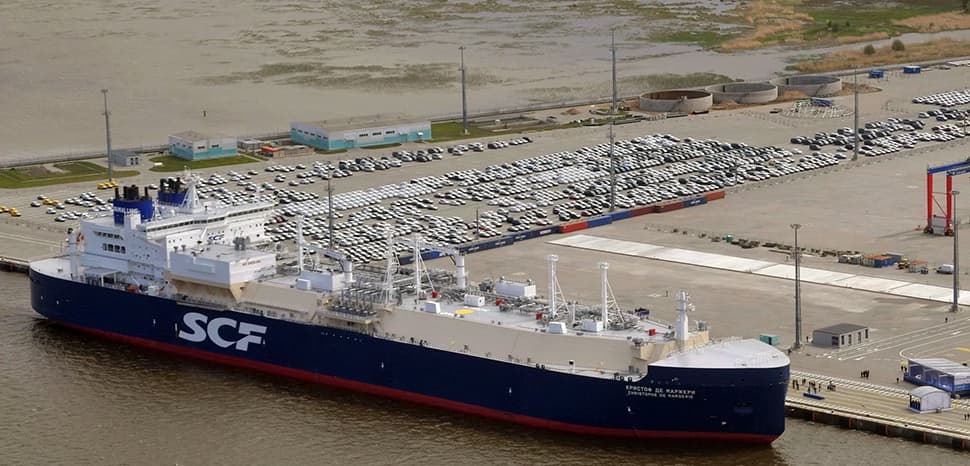
Europe’s Energy Dependency Dilemma 🌍
Europe's energy strategy has long been a game of balancing acts, particularly in its reliance on foreign suppliers. Historically, Europe has depended heavily on Russian gas, but recent geopolitical tensions have pushed Europe to diversify its energy sources. Yet, diversification doesn't automatically equate to security.
The critical difference lies in corridor independence — the ability to source energy without relying on vulnerable chokepoints. Europe's move to substitute Russian gas with supplies from the U.S. and Qatar didn't shield it from risks, as demonstrated by the March 2026 attacks on Qatar's key LNG facilities. These events underscored the inherent vulnerabilities in Europe's energy architecture.
The Chokepoint Conundrum ⚠️
The Strait of Hormuz, a vital maritime chokepoint, handles roughly 20% of global LNG trade. Disruption here affects multiple suppliers simultaneously. Despite Europe's minimal direct reliance on this route, the interconnected nature of global markets means that any significant disruption can have far-reaching impacts. The scramble for alternative cargoes by Asian economies in March 2026 led to a dramatic surge in European gas prices, highlighting the fragility of the current system.
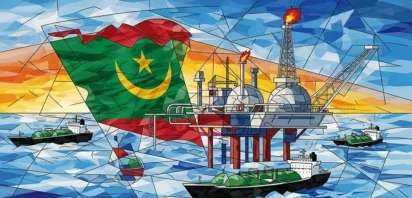
Shifting Focus to the Atlantic Corridor 🌊
In search of a more secure energy supply chain, Europe is turning its gaze towards West Africa. The Atlantic Corridor, which includes LNG facilities along the West African coast, offers a promising alternative. Unlike the Gulf or Russian routes, these facilities export gas without passing through chokepoints like the Strait of Hormuz.
Key players in this corridor include Nigeria’s Bonny Island, Equatorial Guinea’s Punta Europa, and the Greater Tortue Ahmeyim development on the Mauritania-Senegal border. These sites provide strategic independence, crucial for Europe’s energy security.
Recent Developments and Strategic Partnerships 🤝
Europe's pivot to the Atlantic Corridor is already underway. Italy has expanded energy cooperation with Algeria, and the EU has signed pivotal agreements with Nigeria and Ghana, reinforcing energy security and migration cooperation. The upcoming Paris forum on April 22 is set to further solidify these partnerships, with discussions focused on scaling up capacity and investment in the region.
Key Projects on the Horizon 📈
- GTA Phase 2: This project is set to double liquefaction capacity using existing floating infrastructure, a significant boost to the corridor's output.
- Nigeria's Ambitious Targets: With a 2026 gas master plan aiming for twelve billion cubic feet per day by 2030, Nigeria is positioning itself as a major global player.
- Senegal's Yakaar-Teranga Discovery: This reserve holds the potential to reshape the corridor’s capacity significantly once commercialized.
The U.S. Response and Global Implications 🇺🇸
In response to vulnerabilities exposed by the Ras Laffan strikes, the U.S. has positioned itself as a key supplier to fill Europe's energy gaps. However, while this addresses supply issues, it doesn’t resolve the underlying architectural vulnerabilities. The need for a diversified and secure corridor is more pressing than ever.
Conclusion: A New Era for Energy Security 🔮
The West African Atlantic Corridor represents a strategic shift in Europe's pursuit of energy security. By reducing reliance on vulnerable chokepoints and diversifying supply routes, Europe can better shield itself from geopolitical shocks. As these developments unfold, the Atlantic Corridor is poised to become a cornerstone of global energy strategy, reshaping the landscape for decades to come.
You May Also Like

Geopolitical Analysis
Saudi Arabia's Bold Minerals Strategy
July 1, 2026
Geopolitical Analysis
Strategic Challenges in Securing the Strait of Hormuz
June 30, 2026
Geopolitical Analysis
Sovereignty, Airpower & Alliance Integration Limits
June 30, 2026
Geopolitical Analysis
Myanmar: A Renewed Frontline in India-China Tensions
June 29, 2026