Category:
Geopolitical AnalysisThe Atlantic–Sahel Corridor: Euro-Atlantic Security
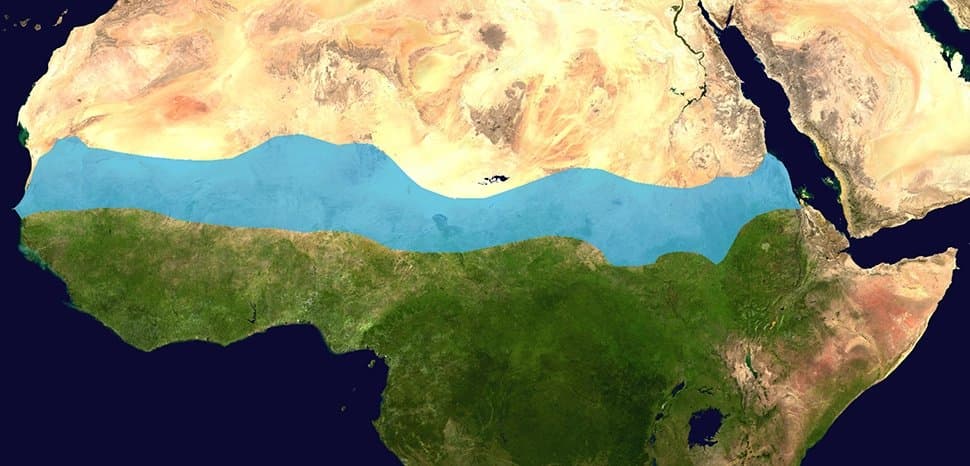
The Atlantic–Sahel Corridor is emerging as a critical zone in Euro-Atlantic security dynamics, reflecting a shift in global geopolitical landscapes. 🌍 While the Middle East remains a focal point for international attention, the corridor from the Sahel to the Atlantic is gaining strategic prominence.
The New Geopolitical Hotspot 🔥
Historically viewed as a peripheral region, the Sahel is now recognized as a key player in global security. This area serves as a connective strategic space where local instabilities intersect with global competition. Disruptions here can have far-reaching impacts, affecting maritime routes, energy infrastructure, and European security.
Changing Strategic Landscape
For decades, Western powers considered the Sahel a zone of chronic instability with limited global significance. Recent developments challenge this view, as the Sahel increasingly functions as part of a broader security continuum. As local conflicts intertwine with global rivalries, the region's strategic importance grows.

Evolving Conflict Dynamics
Contemporary conflicts are no longer confined to defined theaters. They unfold across dispersed environments with uneven state authority and non-state actors. The Sahel exemplifies this trend, becoming an arena where pressure can be applied indirectly, affecting Western interests without direct confrontation.
Factors Shaping the Corridor’s Importance
The transformation of the Sahel into a strategically relevant area results from multiple factors:
- State Erosion: Weak governance creates power vacuums exploited by non-state actors.
- Terrorism and Crime: Terrorist groups intertwining with transnational criminal networks.
- External Influences: Foreign powers experimenting with indirect strategies.
These dynamics create a complex security environment across the Saharo-Sahelian belt, challenging traditional stabilization efforts.
Western Responses and Challenges
Efforts by Western nations, notably France and the US, have struggled to adapt to this evolving landscape. Conventional responses face limitations, as regional instability increasingly interacts with global geopolitical patterns. The Sahel is not just a regional concern; it affects Europe, the Atlantic, and NATO’s southern flank.
The Role of Non-State Actors
Armed groups in the Sahel no longer operate in isolation. They form hybrid ecosystems involving ideological militancy, illicit trafficking, and opportunistic alliances. This environment rarely produces centralized command structures, instead generating fluid interfaces where different forms of violence coexist.
Iran’s Strategic Influence
Iran exemplifies indirect strategic influence, operating through networks and proxies. While this strategy originated in the Middle East, similar patterns appear in the Sahel. The region's fragmented authority and porous borders provide fertile ground for such decentralized strategies.
Conclusion: A Strategic Imperative
The Atlantic–Sahel Corridor is not merely a distant periphery but a strategic imperative for Euro-Atlantic security. As global powers navigate this complex landscape, understanding and addressing the intertwined local and global dynamics become crucial. 🛡️ The corridor's developments will continue to shape international relations and security strategies for years to come.
You May Also Like

Geopolitical Analysis
Saudi Arabia's Bold Minerals Strategy
July 1, 2026
Geopolitical Analysis
Strategic Challenges in Securing the Strait of Hormuz
June 30, 2026
Geopolitical Analysis
Sovereignty, Airpower & Alliance Integration Limits
June 30, 2026
Geopolitical Analysis
Myanmar: A Renewed Frontline in India-China Tensions
June 29, 2026