Category:
Geopolitical AnalysisThe Geoeconomic Impact of the Third Gulf War
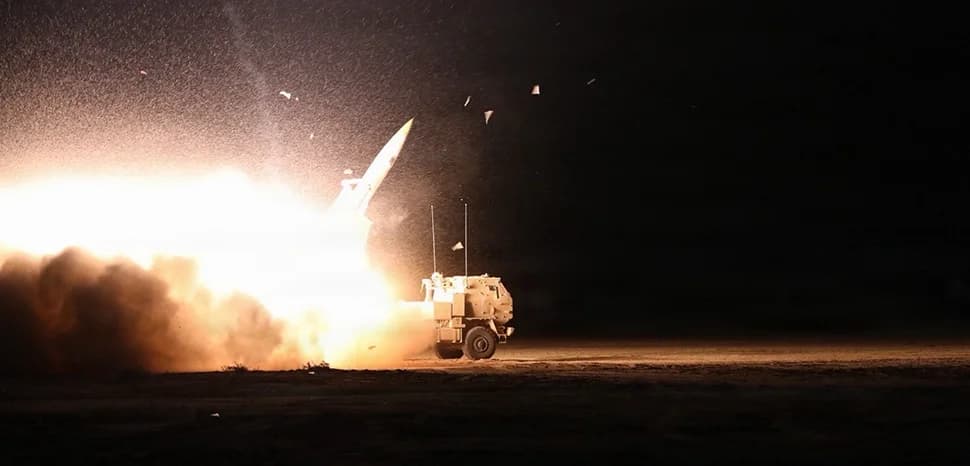
The Third Gulf War has introduced a new dimension to global conflict: the strategic use of economic assets as instruments of war. This crisis has highlighted the power of geoeconomics, where economic tools are wielded with the precision and impact of traditional military hardware. 🌍⚔️
The Role of Geoeconomics in Modern Conflict
As history has shown, wars are often fought over economic interests. The current conflict in West Asia underscores this truth, as nations employ economic instruments like oil, currencies, and supply chains to exert influence and achieve strategic goals. Iran's strategic maneuvers in the Strait of Hormuz exemplify this approach, as it uses selective interdiction to apply economic pressure on adversaries.

Iran's actions have caused a seismic shift in the global economic landscape. By threatening the stability of vital trade routes, it has leveraged its geographic advantage to disrupt the oil market and challenge the existing global order.
Strategic Chokepoints and Economic Warfare
The Strait of Hormuz is a critical artery for global oil supply. By controlling this chokepoint, Iran has created a powerful lever in its geopolitical strategy. The lessons of past conflicts, such as the Suez Crisis and the Arab oil embargo, have informed Iran's approach, allowing it to strangle economic lifelines and compel its adversaries to negotiate.
Iran's actions have not only affected oil prices but have also introduced volatility into global markets. This disruption has the potential to trigger economic downturns, affecting economies worldwide. The ripple effects extend beyond immediate financial losses, threatening the stability of industries reliant on energy and raw materials.
Global Economic Implications
Iran's geoeconomic tactics have reverberated across international finance, with losses amounting to trillions of dollars. The interconnected nature of modern economies means that disturbances in one region can have far-reaching consequences. Wall Street, stock exchanges, and investment banks are all feeling the pressure, with fears of stagflation and economic instability looming large.
The US, with its significant oil reserves and fracking capabilities, is somewhat insulated from these shocks. However, the strategic challenge of maintaining open sea lanes and ensuring freedom of navigation remains a critical concern for American policymakers.
The Broader Impact on Global Supply Chains
Iran's strategies have also targeted global supply chains, particularly in the energy and manufacturing sectors. Attacks on gas fields have disrupted power supplies, impacting industries like aerospace and automotive manufacturing. These sectors rely heavily on aluminum, a critical material now in short supply due to these disruptions.
Moreover, Iran's actions have affected the supply of fertilizers, crucial for global food production. As the Middle East is a major supplier, any prolonged conflict could lead to food shortages and exacerbate hunger in vulnerable regions.
Strategic Patience and Global Ramifications
The US and its allies face a complex challenge in addressing Iran's geoeconomic tactics. While military solutions are on the table, the geopolitical consequences of further escalation are significant. Iran's strategy of strategic patience, reminiscent of historical conflicts like the Habsburg Empire's decline, suggests a long-term game plan to outlast its adversaries.
For Israel, the instability presents opportunities to expand its energy infrastructure, potentially reshaping regional energy dynamics. The construction of pipelines connecting the Arabian Peninsula to Israeli ports could shift the balance of power and create new economic alliances.
Conclusion: Navigating a Geoeconomic Landscape
The Third Gulf War is a testament to the evolving nature of global conflict, where economic weapons are as potent as military ones. As nations navigate this new landscape, the importance of strategic foresight and adaptability cannot be overstated. The outcome of this conflict will shape not only regional dynamics but also the future of global economic order. 🌐🔍
As the world watches, the lessons learned from this geoeconomic confrontation will inform future strategies, emphasizing the need for resilience in an interconnected world. The stakes are high, and the consequences will be felt for years to come.
You May Also Like

Geopolitical Analysis
Saudi Arabia's Bold Minerals Strategy
July 1, 2026
Geopolitical Analysis
Strategic Challenges in Securing the Strait of Hormuz
June 30, 2026
Geopolitical Analysis
Sovereignty, Airpower & Alliance Integration Limits
June 30, 2026
Geopolitical Analysis
Myanmar: A Renewed Frontline in India-China Tensions
June 29, 2026