Category:
Geopolitical AnalysisThe Strait of Malacca: Malaysia’s Industrial Backbone
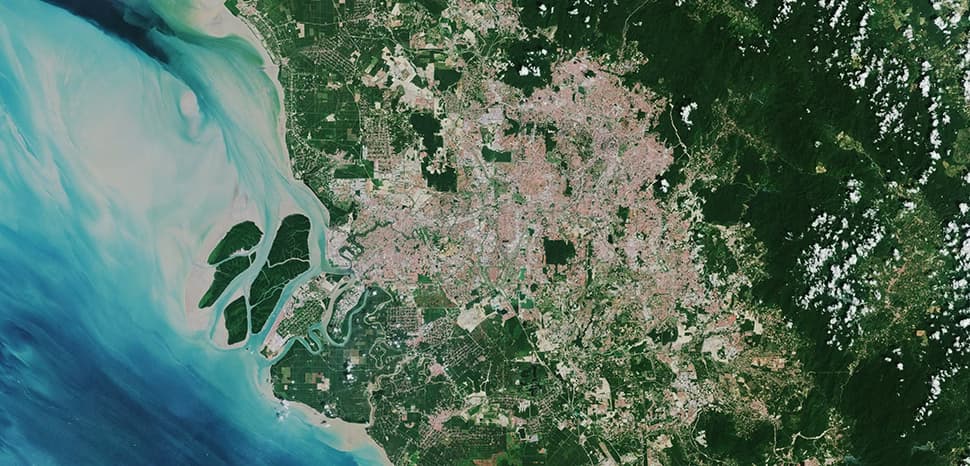
The Strait of Malacca is often perceived as a vulnerable chokepoint, a narrow maritime passage that is crucial yet potentially perilous. However, for Malaysia, this strait represents much more than just a geographic feature—it is the industrial spine that sustains and propels the nation’s economy.
The Lifeline of Asian Commerce 🌊
The Strait of Malacca is one of the world's busiest maritime trade routes, accounting for nearly 22% of global trade and 29% of maritime oil transport. In 2025 alone, over 102,500 ships navigated this crucial waterway. Its narrowest point, merely 1.7 miles wide, makes it both indispensable and vulnerable to disruptions.

Malaysia, strategically positioned along this route, leverages its geographical advantage to bolster its manufacturing and industrial sectors. As a key player in the semiconductor industry and a major exporter of palm oil, the uninterrupted movement of goods through Malacca is vital for Malaysia’s economic health.
Beyond a Maritime Passage: An Industrial Corridor 🚢
Malaysia’s industrial landscape along the Strait is vast. From Port Klang to Tanjung Pelepas, and Penang's electronics ecosystem, Malaysia hosts a network of ports, power plants, and industrial zones that form a robust economic backbone. This network supports ship repair, warehousing, and logistical services, crucial for maintaining the flow of global commerce.
Economic Resilience and Vulnerabilities ⚙️
The Strait of Malacca is not just about moving goods but about sustaining Malaysia's economic resilience. Disruptions here would affect more than shipping companies; they would impact freight rates, insurance costs, and the prices of energy and consumer goods. The recent crisis in the Strait of Hormuz highlighted the importance of Malacca, as disruptions there shifted attention to this vital Asian artery.
Strategic Response and Regional Collaboration 🤝
In response to potential threats, Malaysia emphasizes regional cooperation with neighboring countries like Indonesia, Singapore, and Thailand. This collaboration aims to ensure quick communication during crises and establish common shipping advisories and anti-piracy measures. It is crucial that no unilateral decisions are made about the waterway, maintaining its open and secure status.
Transforming Geography into Capability 🌍
To maximize the strategic value of the Strait, Malaysia should focus on transforming its geographical advantages into tangible industrial capabilities. Here are three strategic actions recommended for Malaysia:
-
Develop a Malacca Industrial Resilience Plan: This plan should evaluate the sectors most vulnerable to maritime disruptions, including energy, semiconductors, and heavy industry. Implement stress tests for potential spikes in freight costs, port delays, and fuel shortages.
-
Strengthen Littoral-State Crisis Mechanisms: Enhance cooperation among Malaysia, Indonesia, Singapore, and Thailand to ensure efficient communication and coordinated responses to disruptions.
-
Invest in Maritime Security and Services: Amplify investments in ship repair, port digitization, and emergency warehousing to enhance the industrial infrastructure surrounding maritime activities.
Conclusion: Building a Future-Ready Industrial Ecosystem 🌟
The Strait of Malacca is more than a passage; it is a testament to Malaysia's ability to harness strategic geography into industrial prowess. As global commerce continues to flow through this vital artery, Malaysia stands at a crossroads. Will it remain a mere coastal observer, or will it evolve into the industrial backbone of a route the world cannot afford to lose? The answer lies in proactive, strategic investment and collaboration, ensuring that Malaysia not only hosts passing trade but also profits from and secures the industrial ecosystem around it.
You May Also Like

Geopolitical Analysis
Saudi Arabia's Bold Minerals Strategy
July 1, 2026
Geopolitical Analysis
Strategic Challenges in Securing the Strait of Hormuz
June 30, 2026
Geopolitical Analysis
Sovereignty, Airpower & Alliance Integration Limits
June 30, 2026

Geopolitical Analysis
Myanmar: A Renewed Frontline in India-China Tensions
June 29, 2026