Category:
Geopolitical AnalysisThe Ticking Clock in West Azerbaijan: A Geopolitical Analysis
Unraveling the Geopolitical Complexity in West Azerbaijan
In the intricate mosaic of Middle Eastern geopolitics, the conflict unfolding in West Azerbaijan is a ticking clock with profound implications. This region, home to a diverse tapestry of ethnicities, is now a focal point of tension and potential transformation. As Kurdish factions consolidate power amidst the weakening grip of Iran's Islamic Revolutionary Guard Corps (IRGC), the situation demands a closer look. 🔍
The Strategic Significance of West Azerbaijan
West Azerbaijan, a province in Iran, is a geopolitical crossroads. It connects the Azerbaijani northwest of Iran with Turkey, serving as a vital land corridor. The region's demographic complexity, with overlapping Kurdish and Azerbaijani populations, adds layers to its strategic importance.
Recent developments, such as the formation of the Coalition of Political Forces of Iranian Kurdistan (CPFIK), mark a decisive shift in the regional power dynamics. This coalition, comprising major Kurdish parties, represents the most unified Kurdish front against the Islamic Republic to date.
Historical Context: Echoes of Northern Syria
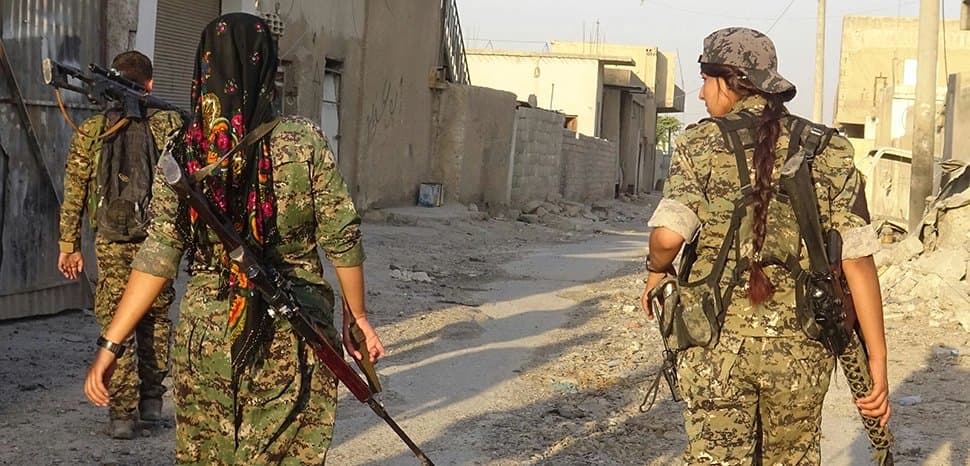
The unfolding scenario in West Azerbaijan mirrors the historical precedent set in northern Syria. In 2012, as the Assad regime receded from Kurdish-majority areas, the People's Defence Units (YPG) swiftly established military and administrative control. This rapid consolidation, supported by pre-existing structures and external allies, serves as a potential blueprint for Kurdish ambitions in Iran.
Kurdish Ambitions and Challenges
Kurdish factions are leveraging the current geopolitical turmoil to advance their aim of establishing a democratic administrative system in "Eastern Kurdistan." However, the coalition's internal coherence remains to be tested, given its members' diverse ideological backgrounds. The region's complex demographic mosaic and historical interethnic conflicts, such as those in Sulduz, further complicate the situation.
The Role of External Powers
External actors, particularly the United States, are closely monitoring these developments. Washington's interest in Kurdish armed groups as a formidable opposition force is evident, reflecting broader strategic calculations in the region. The degradation of the IRGC's influence by external strikes creates an environment conducive to Kurdish political and military maneuvers.
Local and Regional Implications
The potential establishment of a Kurdish corridor has significant implications for Azerbaijanis in Iran, the country's largest national minority. The historical tensions between Kurdish and Azerbaijani communities, exacerbated by events like the Sulduz clashes in 1979, highlight the existential stakes for South Azerbaijan.
Conclusion: A Region on the Brink
West Azerbaijan stands at a critical juncture, with its future contingent on the interplay of local dynamics and international interventions. As the Kurdish coalition seeks to redefine territorial and political boundaries, the region's historical legacies and strategic importance demand vigilant observation. The clock is undoubtedly ticking, and the outcomes will reverberate far beyond Iran's borders.
Explore more insights and stay informed on the latest developments in geopolitical analysis to understand the evolving landscape of international relations and conflict zones. 📈
You May Also Like

Geopolitical Analysis
Saudi Arabia's Bold Minerals Strategy
July 1, 2026
Geopolitical Analysis
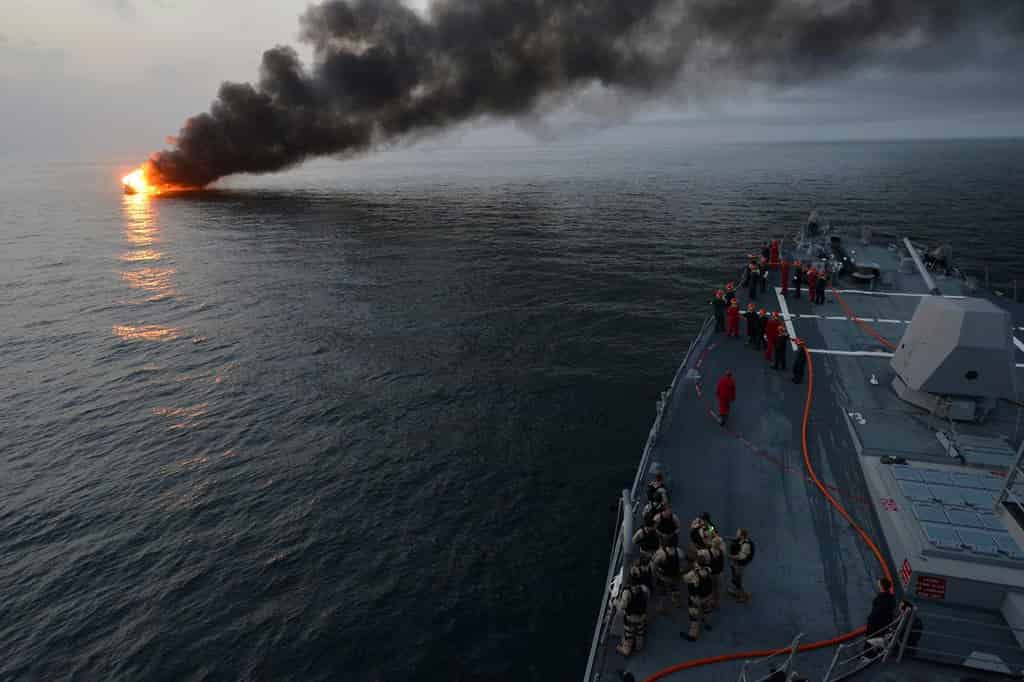
Strategic Challenges in Securing the Strait of Hormuz
June 30, 2026
Geopolitical Analysis
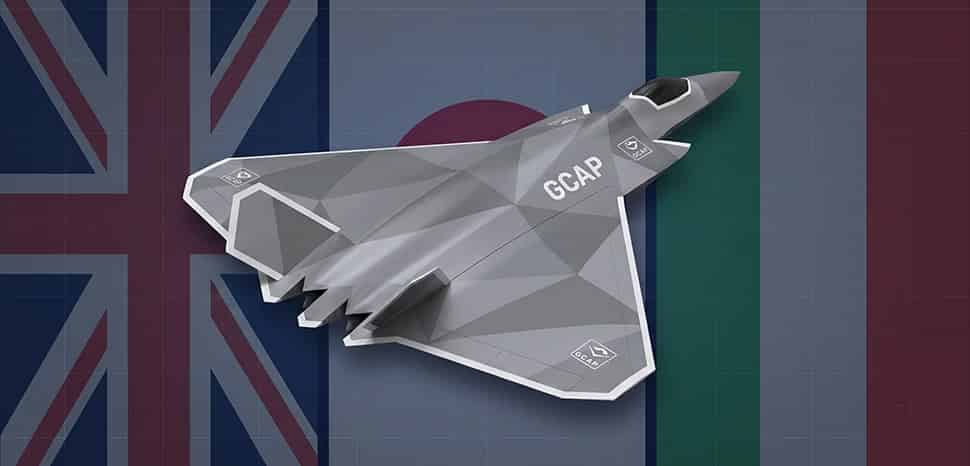
Sovereignty, Airpower & Alliance Integration Limits
June 30, 2026

Geopolitical Analysis
Myanmar: A Renewed Frontline in India-China Tensions
June 29, 2026