Category:
Geopolitical AnalysisUganda 2026: Democracy's Defining Moment

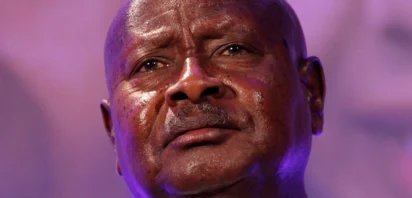
In a continent rife with authoritarian regimes, Uganda stands at a democratic crossroads as it approaches the 2026 elections. The political landscape in Uganda is characterized by President Yoweri Museveni's extended rule, which raises questions about democracy's future in the nation. With Museveni preparing to run for a seventh term, the electoral process faces significant scrutiny.
The Historical Context of Ugandan Democracy
Uganda's journey toward democracy has been fraught with challenges. The country's first parliamentary elections in 1959 were marred by low participation, with only 10% of the population casting votes. A decade later, Idi Amin seized power through a coup, dismantling democratic systems and plunging the nation into political repression and economic turmoil.
Museveni's rise to power in 1986, following a military insurgency, was initially seen as a beacon of hope. He promised a fundamental change from past regimes, focusing on democracy, equality, and an end to tribalism. Museveni's Ten-Point Programme aimed to decentralize governance and establish local electoral processes, culminating in Uganda's first official presidential election in 1996.
The Erosion of Democratic Processes
Despite initial promises, Museveni's tenure has been marked by actions that undermine democratic processes. In 2005, the constitutional amendment to remove presidential term limits was passed amid allegations of bribery and coercion. This pattern repeated in 2017 when the age limit for presidential candidates was removed, allowing Museveni to run for his sixth term at 77 years old.
Such legislative manipulations have entrenched a culture of corruption and patronage within Uganda's political framework, de-legitimizing the legislative process and eroding public trust in democratic institutions.
The Role of Violence in Ugandan Elections
Political violence has been a recurring theme in Ugandan elections, particularly against opposition figures. Bobi Wine, a prominent challenger to Museveni, has faced significant state-sanctioned violence. In 2021, Wine's campaign rallies were disrupted by security forces using tear gas and live ammunition, resulting in mass arrests and fatalities.
Ahead of the 2026 elections, this pattern of intimidation continues. Wine has been targeted by police, facing attacks and arrests. His party headquarters have been raided, and his supporters have reported abductions and torture. Such actions compromise the electoral environment, casting doubt on the fairness of the upcoming elections.
The Global Implications of Uganda's 2026 Elections
Uganda's political situation is not isolated from global trends. The persistence of authoritarian regimes in Africa highlights broader geopolitical dynamics where democratic ideals are often subverted by coercive governance. Uganda's elections serve as a litmus test for the continent's democratic resilience.
International stakeholders are closely monitoring the situation, as Uganda's political stability has implications for regional security and economic development. The outcome of the 2026 elections could either reinforce or challenge authoritarian norms in Africa, influencing democratic movements across the continent.
Conclusion: What Lies Ahead for Uganda?
As Uganda approaches its 2026 elections, the stakes are high. The nation stands at a critical juncture, with the potential to redefine its democratic trajectory. Whether Uganda will embrace genuine democratic reforms or continue down the path of authoritarianism remains to be seen. Observers and citizens alike are hopeful that the elections will herald a new era of transparency and fairness, setting a precedent for democratic governance on the African continent.
In this pivotal moment, the world watches as Uganda's democratic journey unfolds, with the hope that the 2026 elections will pave the way for a brighter, more democratic future.
You May Also Like

Geopolitical Analysis
Saudi Arabia's Bold Minerals Strategy
July 1, 2026

Geopolitical Analysis
Strategic Challenges in Securing the Strait of Hormuz
June 30, 2026
Geopolitical Analysis
Sovereignty, Airpower & Alliance Integration Limits
June 30, 2026
Geopolitical Analysis
Myanmar: A Renewed Frontline in India-China Tensions
June 29, 2026