Category:
Geopolitical AnalysisUS-Israel Iran War: A Geopolitical Analysis
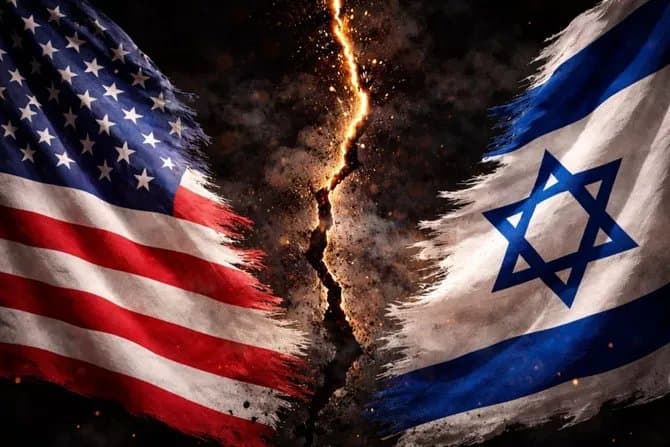
The geopolitical landscape is fraught with complexity as the US-Israel Iran conflict enters its second week, capturing the global spotlight. This ongoing situation has deep roots in historical tensions and strategic rivalries, making it a critical subject for geopolitical analysts worldwide.
Historical Context of the Conflict 🔍
The longstanding tensions between the US, Israel, and Iran are not new. They have evolved over decades, influenced by political dynamics, nuclear ambitions, and regional power shifts. Iran's nuclear program has been a focal point, with Israel and the US expressing concerns over potential threats to regional stability.
Recent Developments and Implications
Recent events have intensified these tensions, with military maneuvers and diplomatic standoffs escalating the situation. While no resolution seems imminent, each action by the parties involved adds layers to this intricate geopolitical puzzle.
Strategic Interests and Alliances 🌐
Both the US and Israel view Iran's regional influence as a significant threat. This perception shapes their strategic decisions, including military collaborations and diplomatic efforts. The US has been a long-standing ally of Israel, providing military support and intelligence sharing.
Iran’s Perspective and Responses
Iran, on the other hand, perceives the presence and actions of the US and Israel as aggressive, influencing its military strategy and alliances with regional actors like Hezbollah. This dynamic creates a complex web of interactions, where each move is carefully calculated.
Broader Geopolitical Implications 🌍
The implications of this conflict extend beyond the immediate region. Here are some significant considerations:
- Global Energy Markets: The Strait of Hormuz, a critical oil transit chokepoint, could be affected by military actions, impacting global oil prices.
- International Relations: The conflict influences the foreign policies of major powers, including China and Russia, who have vested interests in the region.
- Humanitarian Concerns: Escalations could lead to humanitarian crises, affecting civilian populations and prompting international aid responses.
Conclusion: Looking Ahead 🔮
The US-Israel Iran war is a critical issue with far-reaching consequences. As the situation unfolds, it remains vital for stakeholders to engage in dialogue and seek diplomatic solutions to prevent further escalation. The global community watches closely, aware that the outcomes of this conflict could reshape international relations and security paradigms.
Key Takeaways
- Understanding the historical context is crucial for analyzing current events.
- The conflict affects global energy markets and international politics.
- Diplomatic efforts are essential to prevent further escalation.
As the situation develops, staying informed and engaged is more important than ever for policymakers, analysts, and global citizens alike.
You May Also Like

Geopolitical Analysis
Saudi Arabia's Bold Minerals Strategy
July 1, 2026
Geopolitical Analysis
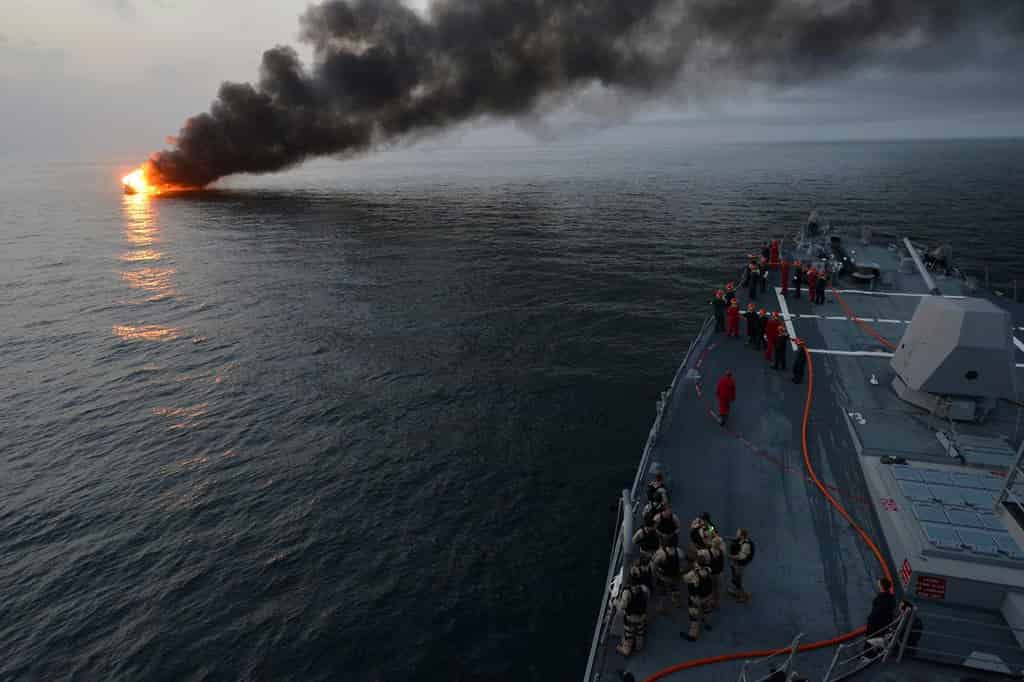
Strategic Challenges in Securing the Strait of Hormuz
June 30, 2026
Geopolitical Analysis
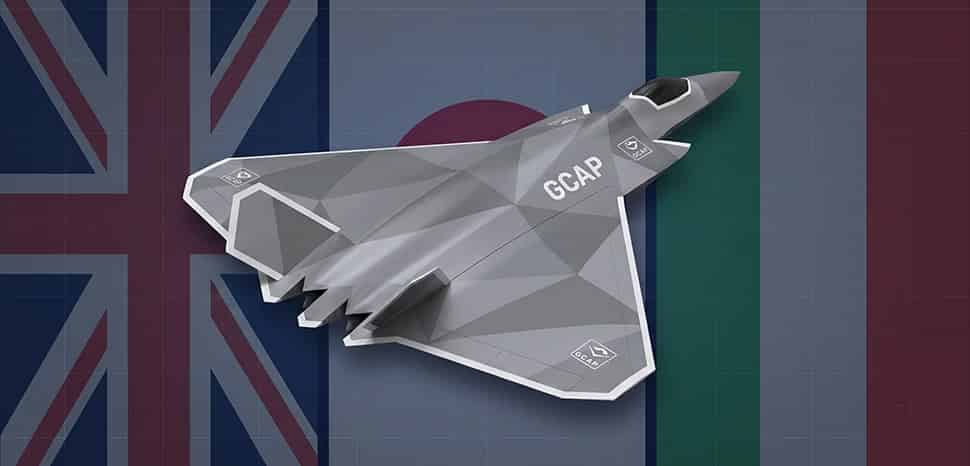
Sovereignty, Airpower & Alliance Integration Limits
June 30, 2026
Geopolitical Analysis
Myanmar: A Renewed Frontline in India-China Tensions
June 29, 2026