Category:
Geopolitical AnalysisUS Pressure on Cuba: A New Geopolitical Era
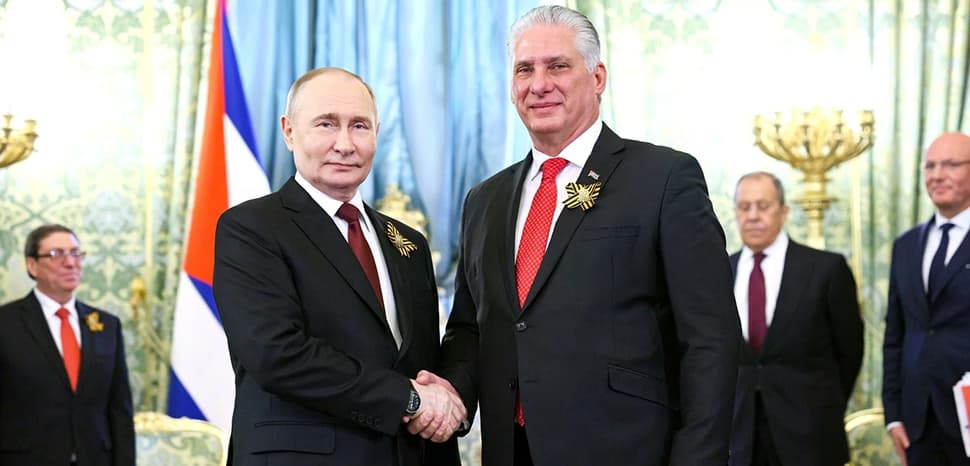
The geopolitical landscape of Latin America is undergoing a significant transformation as the United States intensifies its strategic pressure on Cuba. This shift, characterized by a stringent economic blockade, is reminiscent of the US's recent actions in Venezuela, but with critical differences that make Cuba's situation unique.
The US Strategy: From Venezuela to Cuba
Following the high-profile capture of Venezuelan President Nicolás Maduro, the United States has redirected its focus toward Cuba, aiming to leverage economic pressure for political and economic concessions. However, unlike Venezuela, Cuba presents a more complex challenge due to its distinct social and political landscape.
Economic Blockade and Its Impacts
The US's primary tool in this geopolitical maneuver is an oil blockade, which has exacerbated Cuba's existing economic hardships. Decades of underinvestment, infrastructure decay, and chronic mismanagement, compounded by long-standing US sanctions, have left Cuba vulnerable.
- Energy Crisis: With the blockade cutting off vital Venezuelan oil supplies, which previously accounted for over 50% of Cuba's needs, the island faces severe energy shortages.
- Economic Strain: These shortages extend to fuel, clean water, and food, creating a humanitarian crisis marked by frequent blackouts and the scarcity of essential goods.

International Response and Humanitarian Aid
The US blockade has sparked international condemnation, with countries like Mexico, Spain, and Brazil advocating for dialogue and offering aid to alleviate Cuba's plight. China has stepped in with an $80 million aid package, highlighting the global concern over Cuba's deteriorating situation.
Geopolitical Ramifications
The US's approach to Cuba signals a broader strategy of "regime management" rather than outright regime change. By applying maximum pressure, the US aims to destabilize the Cuban government enough to force concessions without causing a complete collapse.
Potential for Regional Instability
This strategy, however, carries risks of broader regional instability. As Cuba grapples with its internal crises, the potential for spillover effects into neighboring countries increases, raising concerns about security and economic stability in the region.
Conclusion: The Road Ahead
As the US continues its maximum pressure campaign, the international community's role in providing humanitarian aid and fostering dialogue becomes increasingly critical. The situation in Cuba serves as a stark reminder of the complexities and far-reaching impacts of geopolitical strategies.
In the coming months, watching how the US navigates its relationship with Cuba — and how Cuba responds to this pressure — will be crucial for understanding the future dynamics of Latin American geopolitics.
You May Also Like

Geopolitical Analysis
Saudi Arabia's Bold Minerals Strategy
July 1, 2026
Geopolitical Analysis
Strategic Challenges in Securing the Strait of Hormuz
June 30, 2026
Geopolitical Analysis
Sovereignty, Airpower & Alliance Integration Limits
June 30, 2026
Geopolitical Analysis
Myanmar: A Renewed Frontline in India-China Tensions
June 29, 2026