Category:
Geopolitical AnalysisUS Strategy: Africa's Rise as a Global Player
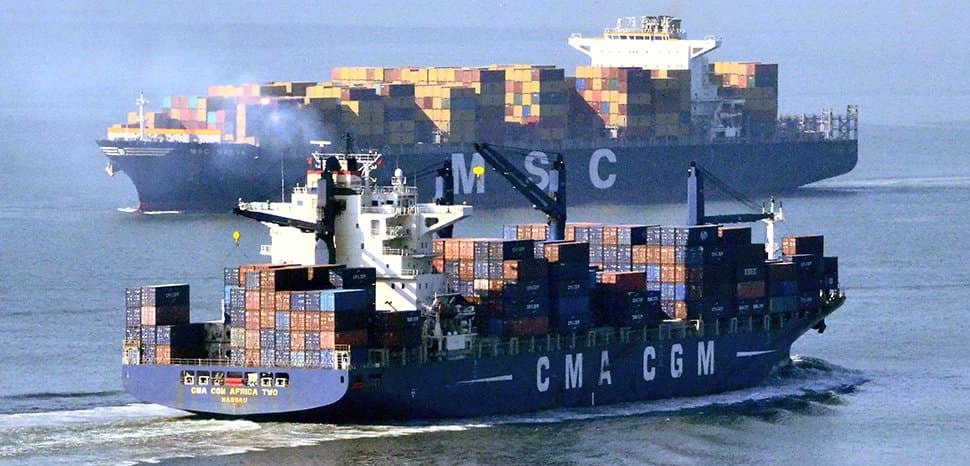
The 2025 US National Security Strategy (NSS) marks a pivotal shift in America's approach, recognizing Africa as a critical player in global geopolitics. 🌍 This transformation is not just about military might; it's about mastering strategic flows and value chains that define the modern landscape.
Africa's Strategic Importance
Africa's prominence in the 2025 NSS is rooted in its vast reserves of critical minerals essential for global industries. The Democratic Republic of Congo leads with nearly 70% of the world's cobalt production, while Guinea holds the largest bauxite reserves. South Africa, Madagascar, Tanzania, and Burundi boast rare earth deposits, crucial for technological advancements. Moreover, Mozambique and Tanzania contribute significantly to graphite supplies, and Africa's manganese reserves represent over 40% of the global total.

Corridor Geopolitics and Connectivity
The continent is experiencing a reconfiguration in its connectivity architecture, highlighting the rise of corridor geopolitics. From deep-water ports like Tanger Med to the digital infrastructures like the 2Africa submarine cables, Africa is integrating into a global network of strategic arteries. These developments not only enhance Africa's logistical capabilities but also position it as a central hub for international trade and energy transitions.
Geoeconomic Competition and US Strategy
The NSS emphasizes geoeconomic competition over traditional military rivalry. The US aims to shape technological standards, infrastructural corridors, and value chains, with Africa at the center of this strategic horizon. The shift underscores the importance of supply chain resilience and safeguarding critical routes, elevating these priorities in US national security.
Africa as a Sovereign Partner
Africa's evolving role as a co-architect of the global order poses both opportunities and responsibilities for Washington. The US must move beyond symbolic support, engaging with concrete mechanisms to foster genuine partnerships. This involves acknowledging Africa's sovereignty, as nations across the continent embrace diversified diplomacy, engaging with the Gulf, India, Türkiye, the EU, and the US itself.
The Future of Africa-US Relations
For a credible partnership, the US must treat Africa as an equal partner, not a buffer zone. This recognition is vital as Africa rejects binary alignments and positions itself as a contributor to global supply chain governance. As Africa's strategic-economic posture advances, it aligns with the NSS's objectives to reduce dependence on Asian production ecosystems and stabilize maritime routes.
Conclusion: A New Chapter in Global Power
Africa's debut as a global player in the 2025 NSS redefines the continent's role in geopolitics. As Africa continues to enhance its strategic corridors and mineral governance, the US must adapt its approach, recognizing the continent's integral role in shaping the future geography of global power. 🇺🇸🤝🌍
This recalibration in policy not only strengthens Africa-US relations but also ensures a more resilient and diversified global order.
You May Also Like

Geopolitical Analysis
Saudi Arabia's Bold Minerals Strategy
July 1, 2026

Geopolitical Analysis
Strategic Challenges in Securing the Strait of Hormuz
June 30, 2026

Geopolitical Analysis
Sovereignty, Airpower & Alliance Integration Limits
June 30, 2026
Geopolitical Analysis
Myanmar: A Renewed Frontline in India-China Tensions
June 29, 2026