Category:
Geopolitical AnalysisVenezuela and Iran Unrest: China's Oil Dilemma
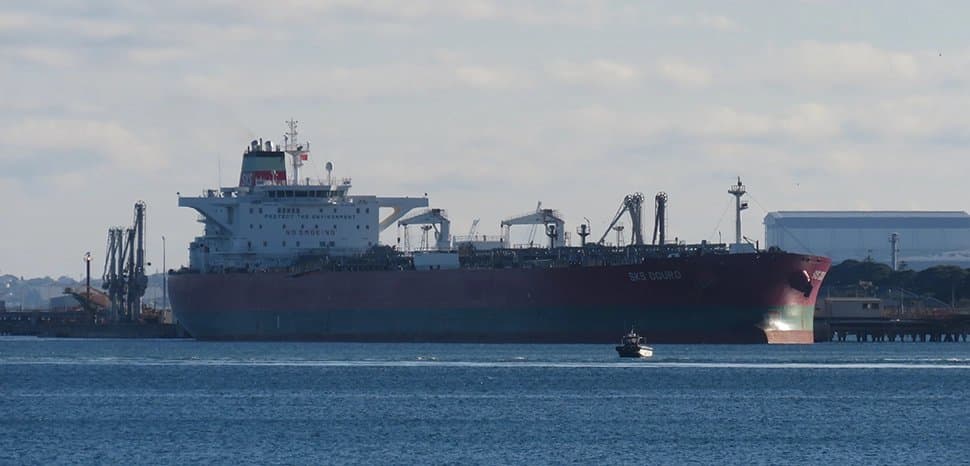
In today's complex geopolitical landscape, the unrest in Venezuela and Iran presents significant implications for China's oil import economics. 📈 As tensions rise, understanding the nuanced relationship between China and these sanctioned oil producers becomes crucial.
China's Strategic Oil Interests
China's approach to oil imports is characterized by strategic opportunism rather than dependency. With Venezuela and Iran both under heavy sanctions, China benefits from purchasing their oil at discounted rates. This opportunistic buying allows China to reduce costs while maintaining a steady supply of crude oil. However, these transactions are not without risk.
The Role of Sanctions
Sanctions on Venezuela and Iran are designed to limit their economic power by restricting oil revenues. For China, these sanctions mean discounted oil prices that offer a marginal advantage, particularly for independent refiners known as 'teapots.' These refiners thrive by leveraging the lower costs of sanctioned oil, enhancing their competitiveness in the domestic market.
Increasing Transaction Costs
The tightening of US sanctions on Venezuela and Iran has led to increased transaction costs. These include higher freight and insurance premiums, as well as a reliance on complex shipping routes to evade detection. Such strategies, while effective in the short term, increase the volatility and overall cost for China, reducing the attractiveness of these discounted barrels.
Impact on China's Oil Strategy
China's strategy relies on diversification. Despite the discounts, it remains clear that China is not dependent on any single source of oil. In 2025, China imported approximately 11.55 million barrels per day from a diverse array of countries, underscoring its capability to adjust to market changes.
Venezuela: A Case Study
Venezuela has been a significant player in China's oil import strategy. Despite US efforts to curb Venezuelan oil flows, China continues to source a substantial amount of crude from this Latin American nation. However, the increasing risks associated with these imports, including the US's recent seizure of tankers, highlight the fragility of this supply chain.
Iran's Parallel Situation
Similar to Venezuela, Iran provides China with discounted oil, albeit through more clandestine means. Re-labeled Iranian oil often enters China, bypassing sanctions. Yet, with US policies tightening around these logistics, the cost-effectiveness of Iranian oil is diminishing.
The Broader Energy Transition
China's push towards renewable energy adds another layer to this complex equation. In 2024, China invested over $625 billion in clean energy initiatives, surpassing its 2030 goals for wind and solar capacity. This shift reduces China's reliance on imported oil, aligning with global trends towards sustainable energy.
Conclusion: Navigating Uncertainty
In conclusion, the unrest in Venezuela and Iran poses both challenges and opportunities for China's oil import strategy. While the immediate impact includes heightened costs and logistical hurdles, China's diversified and forward-looking approach mitigates potential disruptions. As the global energy landscape evolves, China's investments in renewables will further buffer against geopolitical instability, ensuring economic resilience in the face of international tensions. 🌍
You May Also Like

Geopolitical Analysis
Saudi Arabia's Bold Minerals Strategy
July 1, 2026
Geopolitical Analysis
Strategic Challenges in Securing the Strait of Hormuz
June 30, 2026
Geopolitical Analysis
Sovereignty, Airpower & Alliance Integration Limits
June 30, 2026
Geopolitical Analysis
Myanmar: A Renewed Frontline in India-China Tensions
June 29, 2026