Category:
Geopolitical AnalysisWashington's Coercion Creep Impact on Global Trade
Introduction: A New Era of Economic Pressure 🌍
Washington’s foreign policy strategies are evolving, subtly shifting from traditional diplomatic maneuvers to intricate economic pressures. This transformation is not heralded by loud proclamations, but rather through nuanced bureaucratic steps that influence global commerce. Recent developments highlight this trend as the U.S. implements measures to exert influence over global trade dynamics, especially concerning Iranian goods and services.
The Executive Order: Shaping Compliance and Risk 🏛️
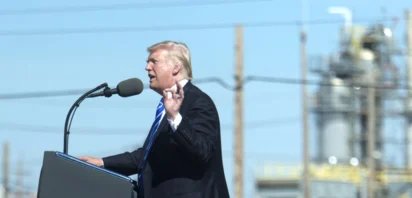
In early February, a pivotal executive order was issued, setting up mechanisms to impose additional U.S. duties on imports from countries involved in Iranian trade. This order is not an immediate blanket tariff but an adjustable tool that allows for strategic economic leverage. The process involves the Commerce Department determining the involvement of a country in Iranian trade, followed by the State Department deciding on the application and extent of any additional duties.
Key Points:
- Targets countries acquiring Iranian goods indirectly.
- Expands compliance requirements beyond U.S. borders.
- Encourages overcompliance due to fear of reputational damage.
Maritime Advisories: Navigating Geopolitical Waters 🚢
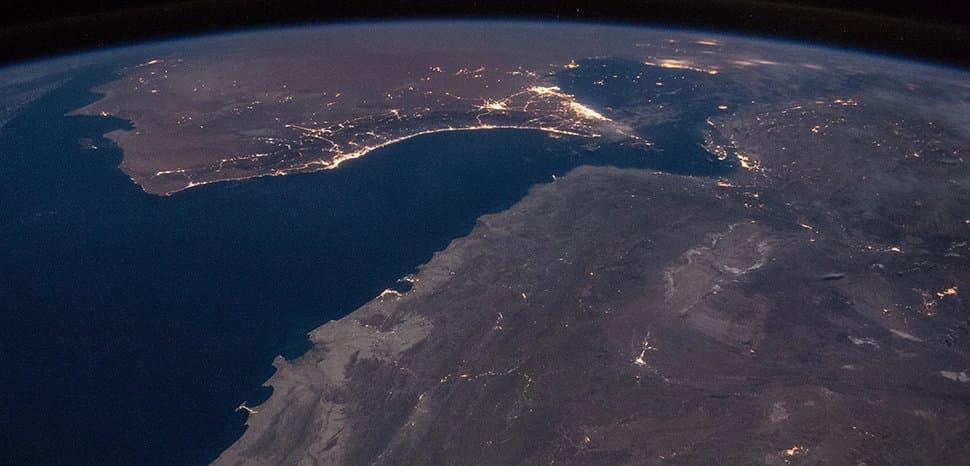
Concurrently, the U.S. Maritime Administration (MARAD) issued advisories urging U.S.-flagged vessels to exercise caution near Iranian waters, particularly the Strait of Hormuz. This advisory, while framed as a safety measure, acts as a geopolitical signal, affecting shipping routes and global commerce perceptions.
Strategic Implications:
- Increases perceived risks for shippers and insurers.
- Alters global supply chain dynamics and freight costs.
- Reflects broader U.S. strategies to apply pressure without military interventions.
Economic Impact and Global Commerce 🌐
The Strait of Hormuz is a critical chokepoint, with about 20% of global petroleum and liquefied natural gas (LNG) trade passing through it. Disruptions here could have significant repercussions on global markets. The U.S.'s actions, while intended to pressure Iran, inadvertently impact global trade and economic stability.
Statistics:
- 20 million barrels of oil transit the strait daily.
- Represents a significant portion of global energy consumption.
Balancing Act: U.S. Policy and Global Markets ⚖️
Interestingly, the U.S. has simultaneously eased sanctions on Venezuela, allowing major oil companies to resume operations there. This dual approach highlights a complex balancing act—applying pressure in one region while stabilizing markets in another.
Market Dynamics:
- The International Energy Agency forecasts growth in oil demand, yet policy uncertainty affects prices.
- Geopolitical developments have a more immediate impact on market perceptions than actual supply and demand fundamentals.
Conclusion: Navigating the Future of Global Commerce 🔍
Washington’s approach, marked by non-military economic pressures, reshapes global commerce landscapes but also introduces new vulnerabilities. As policies become more intricate, they risk becoming opaque and reactive, challenging both allies and adversaries. Looking forward, it is crucial for policymakers to consider the broader implications of these economic strategies on global stability and trade.
Key Takeaways:
- Non-military pressures can escalate tensions.
- Economic policies need careful calibration to avoid unintended global impacts.
- Transparency and strategic foresight are essential in maintaining global trade stability.
You May Also Like

Geopolitical Analysis
Saudi Arabia's Bold Minerals Strategy
July 1, 2026
Geopolitical Analysis
Strategic Challenges in Securing the Strait of Hormuz
June 30, 2026
Geopolitical Analysis
Sovereignty, Airpower & Alliance Integration Limits
June 30, 2026
Geopolitical Analysis
Myanmar: A Renewed Frontline in India-China Tensions
June 29, 2026