Category:
Geopolitical AnalysisWest African LNG Post-Paris: Relief or Dependency?
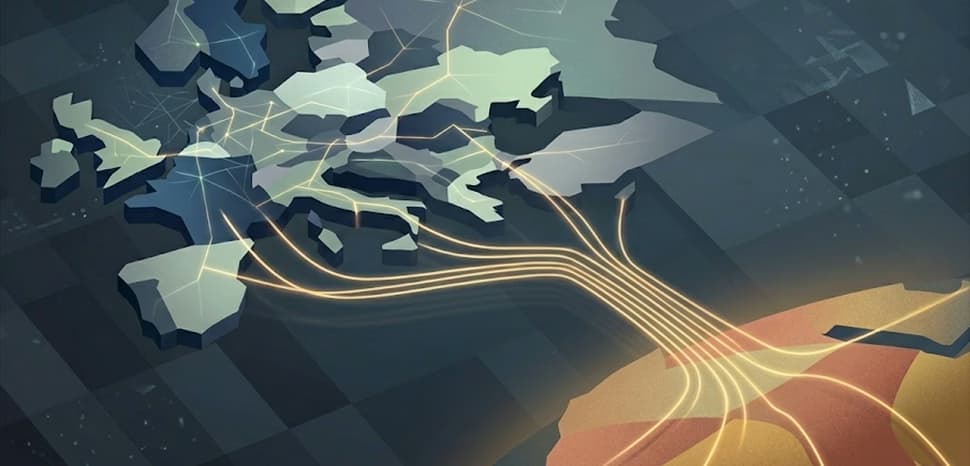
In the wake of pivotal discussions in Paris, the future of West African LNG (Liquefied Natural Gas) has become a focal point of geopolitical interest. 🌍💡 As Europe grapples with energy supply challenges, West Africa emerges as a potential solution, but not without its complexities. Let's delve into the dynamics defining this critical juncture.
A Dual-Purpose Paris Forum
Recently, Europe hosted two significant gatherings in Paris aimed at addressing energy supply disruptions. The Strait of Hormuz, a vital oil corridor, was the subject of military-focused strategies, while West African LNG was discussed as a potential alternative energy source. This duality highlights Europe's indecision between maintaining existing supply chains and diversifying them.
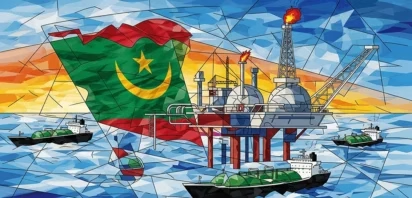
The Promise of West African LNG
West Africa's potential to become a major LNG supplier is promising. The region is home to significant gas reserves, yet faces challenges in production and infrastructure. The Nigeria-Morocco pipeline, a $25 billion project, is set to traverse 13 nations, potentially transforming the regional energy landscape by 2031.
Economic and Strategic Implications
- Investment Needs: With global gas investments projected between $11 to $12 trillion over the next few decades, there's a pressing need for infrastructural development in Africa.
- Production Gaps: Despite vast reserves, Africa's LNG production suffers due to insufficient infrastructure and investment.
- Strategic Partnerships: Recent agreements in Sierra Leone and The Gambia highlight growing international interest in African energy resources.
Europe's Contradictory Strategy
Europe's approach to energy security remains conflicted. On one hand, there's a push for strategic autonomy through military initiatives in Hormuz, yet there's also interest in diversifying energy sources via West African LNG. This dual strategy could lead to missed opportunities for long-term stability.
The Role of the European Green Deal
Europe's decarbonization goals further complicate the demand for LNG. As the continent pursues greener energy alternatives, the long-term viability of massive LNG investments remains uncertain.
The Path Forward: Relief or Dependency?
West Africa stands at a crossroads—its LNG resources could relieve Europe's energy pressures or foster a new form of dependency. The decision hinges on strategic partnerships, infrastructural investments, and the alignment of political will with economic realities.
Actionable Insights
- Long-term Partnerships: To truly benefit from West African resources, Europe must commit to stable, long-term agreements rather than short-term solutions.
- Infrastructure Development: Investment in pipelines and production facilities is crucial for realizing the region's potential.
- Policy Alignment: Aligning European energy policies with African capabilities could ensure mutual benefits.
In conclusion, the discussions in Paris illuminate the complex interplay of relief and dependency in the realm of West African LNG. As Europe navigates this landscape, strategic decisions made today will shape the future of energy security and geopolitical alliances. 🔍✨
You May Also Like

Geopolitical Analysis
Saudi Arabia's Bold Minerals Strategy
July 1, 2026
Geopolitical Analysis
Strategic Challenges in Securing the Strait of Hormuz
June 30, 2026
Geopolitical Analysis
Sovereignty, Airpower & Alliance Integration Limits
June 30, 2026
Geopolitical Analysis
Myanmar: A Renewed Frontline in India-China Tensions
June 29, 2026