Category:
Geopolitical AnalysisBelarus Gains as Iran Crisis Alters Fertilizer Trade
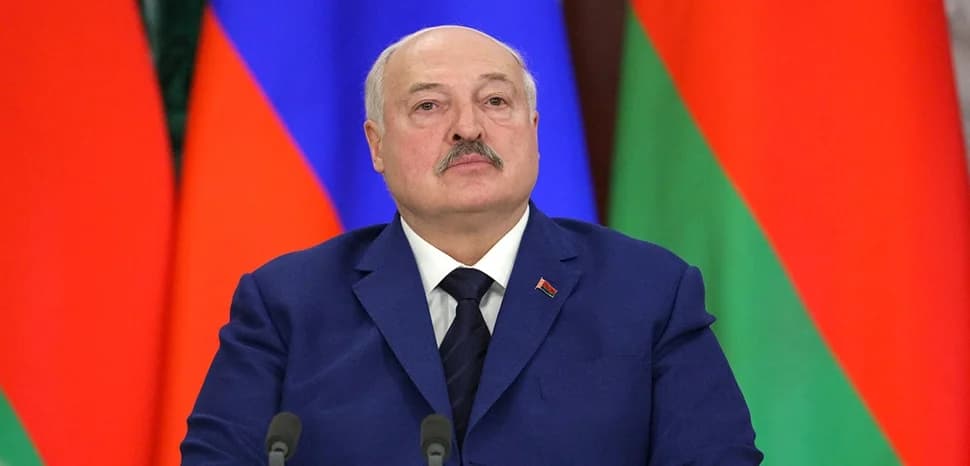
Belarus's Strategic Maneuver Amid Fertilizer Disruption
The recent geopolitical tensions in the Middle East have created a ripple effect across global markets, particularly in the agricultural sector. The Iran conflict, which has significantly disrupted fertilizer flows through the Strait of Hormuz, has unexpectedly positioned Belarus as a vital player in the global fertilizer market. 🌍
The Strait of Hormuz is crucial, handling up to 30% of the world's traded fertilizers. However, recent conflicts have seen tanker traffic through this vital artery fall by more than 90% in mere days. This disruption couldn't have come at a worse time, coinciding with the critical planting season, thereby intensifying fears of fertilizer shortages among farmers worldwide. 🚜

Belarus: A Potash Powerhouse
In light of these disruptions, Belarus has emerged as a key player in the fertilizer market, thanks to its robust potash production capabilities. Potash, an essential plant nutrient, has no substitute, making it indispensable for global agriculture. The United States, for instance, remains 90% reliant on potash imports, highlighting the strategic importance of stable supply chains.
Recent data from the US Geological Survey underscores Belarus's significant role. In 2024, Belarus's potash production surged to 7.0 million metric tons, accounting for a substantial portion of the global production increase. This expansion has not only bolstered Belarus's position as a leading producer but has also enhanced its geopolitical leverage. 📈
Geopolitical Shifts and Economic Strategies
The easing of US sanctions against Belarusian potash companies marks a pivotal moment in this unfolding narrative. Previously, Belarus had to navigate logistical challenges, such as losing access to Lithuania's port of Klaipėda. However, it adeptly shifted its export routes through Russian ports and rail links to China, ensuring a steady flow of potash to critical markets.
This strategic adaptability has allowed Belarus to capitalize on the current fertilizer shortage, as nations scramble to secure essential crop nutrients. The recent US decision to relax sanctions is also a testament to Belarus's growing importance as a reliable supplier in times of crisis.
The US and EU: Divergent Paths on Belarus
As Belarus strengthens its market position, it finds itself at the center of complex geopolitical maneuvers. The United States has adopted a transactional approach, selectively easing sanctions in exchange for Belarusian concessions, such as the release of political prisoners. In contrast, the European Union maintains a more stringent stance, tying its sanctions to human rights and geopolitical concerns, including Belarus's support for Russia and hybrid attacks on the EU.
This divergence in policy approaches offers Belarus's leader, Alyaksandr Lukashenka, the opportunity to negotiate targeted gains with the US without fully meeting the broader political conditions set by Europe. This tactical maneuvering highlights the delicate balance of power and influence that Belarus seeks to maintain.
Human Rights Concerns and Future Implications
While Belarus's strategic gains are noteworthy, they come amid persistent human rights concerns. Organizations like Amnesty International caution against viewing recent prisoner releases as genuine reform. Instead, they emphasize the need for sustained pressure on Belarus to address its human rights record comprehensively.
The unfolding scenario in Belarus serves as a case study in geopolitical strategy, showcasing how nations can leverage global disruptions to their advantage. As the world continues to grapple with the implications of the Iran conflict, Belarus's role in the fertilizer market will remain a critical area to watch, offering insights into broader geopolitical dynamics. 🔍
Key Takeaways
- Strategic Importance: Belarus's potash production is crucial amid global fertilizer disruptions.
- Geopolitical Maneuvering: The easing of US sanctions highlights Belarus's growing leverage.
- Divergent Policies: The US and EU's differing approaches create a complex geopolitical landscape.
- Human Rights Concerns: Ongoing issues underscore the need for vigilant international oversight.
In conclusion, the geopolitical upheaval has allowed Belarus to assert itself as a pivotal player in the fertilizer market, reshaping its international relations and economic strategies. As global dynamics continue to evolve, Belarus's strategic decisions will play a significant role in shaping the future of global agricultural supply chains. 🌱
You May Also Like

Geopolitical Analysis
Saudi Arabia's Bold Minerals Strategy
July 1, 2026
Geopolitical Analysis
Strategic Challenges in Securing the Strait of Hormuz
June 30, 2026

Geopolitical Analysis
Sovereignty, Airpower & Alliance Integration Limits
June 30, 2026
Geopolitical Analysis
Myanmar: A Renewed Frontline in India-China Tensions
June 29, 2026