Category:
Geopolitical AnalysisCanada Joins EU SAFE: A Defense Industry Milestone
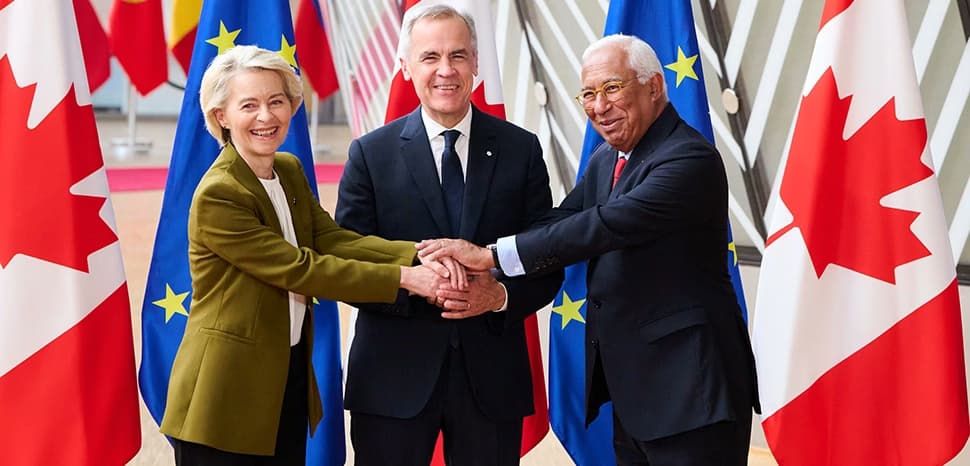
In a landmark move, Canada has officially joined the European Union's Security Action for Europe (SAFE) instrument. This strategic alignment was announced during the Munich Security Conference in February 2026 by Canadian Defence Minister David McGuinty. By integrating with the SAFE framework, Canada becomes the first non-European NATO ally to partake in the EU's financial mechanism aimed at bolstering defense capabilities. 🌍💼
Understanding the SAFE Instrument
The SAFE initiative is a pivotal part of the EU's Readiness 2030 plan, featuring a €150 billion loan facility. Funded through EU capital market borrowings, it offers long-term credit to member states, promoting European defense spending. By 2030, the plan aims to mobilize up to €800 billion, significantly enhancing Europe's defense posture. The regulation came into effect on May 29, 2025, with the first financial distributions occurring between February and April 2026.
Key Beneficiaries
- Poland: Receiving €43.7 billion, Poland is the largest beneficiary, underscoring its strategic importance on NATO’s eastern flank.
- Romania: With €16.7 billion allocated, Romania is poised to strengthen its defense infrastructure.
- France and Hungary: Each receiving €16.2 billion, these nations are key players in the European defense landscape.
- Italy: With an allocation of €14.9 billion, Italy is set to bolster its defense capabilities.
Noteworthy Exclusions: Germany, Sweden, and the Netherlands opted out due to their favorable sovereign borrowing costs.
The 'Buy European' Clause
A distinctive feature of the SAFE instrument is its 'Buy European' clause. This stipulates that procurement contracts financed through SAFE must ensure that no more than 35% of component costs originate outside the EU, Ukraine, or EEA/EFTA countries. This clause was a focal point of intense negotiations, particularly between France and Germany, balancing European content requirements against existing supply chain dynamics.
Implications of Canada's Participation
Canada's inclusion in SAFE carries significant implications:
- Strategic Diversification: By aligning with the EU, Canada diversifies its defense partnerships beyond traditional reliance on the US, fostering a more balanced global defense strategy.
- Economic Opportunities: The agreement opens doors for Canadian defense firms to participate in EU-funded projects, boosting economic ties and industrial collaboration.
Analyzing the Geopolitical Context 🌐
The SAFE initiative reflects broader geopolitical trends, particularly Europe's strategic shift towards self-reliance in defense. This move is partly driven by increasing regional instabilities and the desire to reduce dependency on external powers, including the US. By integrating Canada, the EU not only strengthens transatlantic ties but also enhances its defense capabilities against emerging threats.
Historical Context and Future Outlook
Historically, NATO's defense strategies have heavily relied on US support. However, evolving geopolitical dynamics necessitate a more autonomous European defense posture. The SAFE instrument, alongside Canada's participation, symbolizes a proactive approach to addressing future security challenges.
Looking ahead, the continued expansion of SAFE could see further collaborations with other non-European allies, potentially reshaping the global defense landscape. This strategic realignment presents both opportunities and challenges, particularly in harmonizing diverse defense priorities across a broader coalition of nations.
Conclusion: A Win-Win for All?
Canada's accession to the EU SAFE instrument marks a significant milestone in international defense cooperation. This partnership not only reinforces Canada's strategic position but also enhances the EU's defense autonomy. As the geopolitical landscape continues to evolve, such collaborations will be crucial in maintaining global stability and security.
As global defense strategies adapt to new realities, the SAFE instrument represents a forward-thinking approach to collective security. For Canada and the EU, this partnership is a testament to shared values and common defense goals, promising a robust and resilient future in global defense collaboration. ✨🌟
You May Also Like

Geopolitical Analysis
Saudi Arabia's Bold Minerals Strategy
July 1, 2026
Geopolitical Analysis
Strategic Challenges in Securing the Strait of Hormuz
June 30, 2026
Geopolitical Analysis
Sovereignty, Airpower & Alliance Integration Limits
June 30, 2026
Geopolitical Analysis
Myanmar: A Renewed Frontline in India-China Tensions
June 29, 2026