Category:
Geopolitical AnalysisIran's Lost Mines: Unseen Forces in Hormuz

The Strait of Hormuz, a vital artery in global energy trade, is once again at the center of geopolitical tensions. Recent developments have raised critical questions about sovereignty, control, and the unforeseen consequences of military strategy in this region.
The Unintended Consequence of Naval Mines
In a strategic move, Iran's Islamic Revolutionary Guard Corps planted naval mines across the Strait of Hormuz. These mines were intended to exert control over the passage following the death of Supreme Leader Ali Khamenei in strikes by the US and Israel. However, the situation has taken an unexpected turn as Iran reportedly lost track of some of these mines, creating a complex scenario of unintended consequences.

The Strategic Importance of Hormuz
The Strait of Hormuz is not just another waterway; it is a chokepoint for 20% of the world's seaborne oil. The strategic importance of this narrow passage cannot be overstated. It is a corridor where the equations of power and presence intersect with the legal and technical rights to control transit.
Historical Context and Legal Obligations
Historically, naval mines have been tools of control and deterrence. However, international maritime law imposes strict obligations on their use. Any state deploying mines must notify neutral shipping and ensure their removal post-conflict. Iran's inability to fulfill these obligations has introduced a hydrographic hazard that complicates the reopening of the Strait.
The Power Dynamics of Mine Clearance
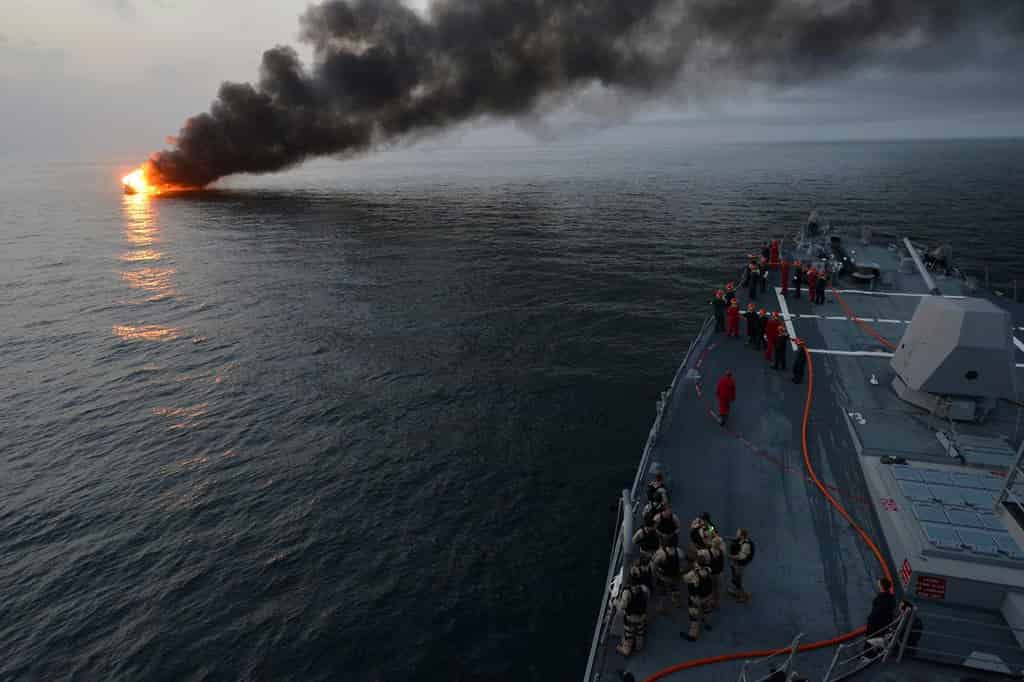
The US has entered the fray, with its naval forces initiating mine-clearance operations. This move is not just about ensuring free navigation; it is a strategic maneuver to establish a prolonged presence in the region. By clearing the mines, the US gains a detailed operational picture of the Strait, translating into a form of technical sovereignty.
Tactical Sovereignty Through Hydrography
Mapping and removing mines give any nation an unparalleled understanding of the region’s hydrography. This knowledge, coupled with a legal obligation to ensure safe passage, allows for a sustained presence in one of the world's most critical maritime corridors. It transforms mine clearance from a humanitarian act to a strategic asset.
Global Implications and Future Outlook
The current situation in Hormuz is a stark reminder of the complexity of modern geopolitical conflicts. As nations vie for control and influence, the unintended consequences of military actions can reshape power dynamics in unforeseen ways.
As the world watches, the outcome of this mine-clearance operation will have long-lasting implications. It will not only determine the immediate security of the Strait but also define the geopolitical landscape of the Middle East for years to come.
Conclusion: A New Era of Geopolitical Strategy
Iran's loss of control over its mines has shifted the balance of power in the Persian Gulf. The nation that clears these mines will wield significant influence over Hormuz, setting the stage for new geopolitical strategies and alliances. As history has shown, the control of strategic straits can determine the course of nations, and Hormuz is no exception.
In this dynamic environment, countries must carefully navigate the complexities of international law, military strategy, and diplomatic relations to maintain stability and secure their interests.
You May Also Like

Geopolitical Analysis
Saudi Arabia's Bold Minerals Strategy
July 1, 2026
Geopolitical Analysis
Strategic Challenges in Securing the Strait of Hormuz
June 30, 2026
Geopolitical Analysis
Sovereignty, Airpower & Alliance Integration Limits
June 30, 2026

Geopolitical Analysis
Myanmar: A Renewed Frontline in India-China Tensions
June 29, 2026