Category:
Geopolitical AnalysisIran’s Water Crisis: A National Security Threat
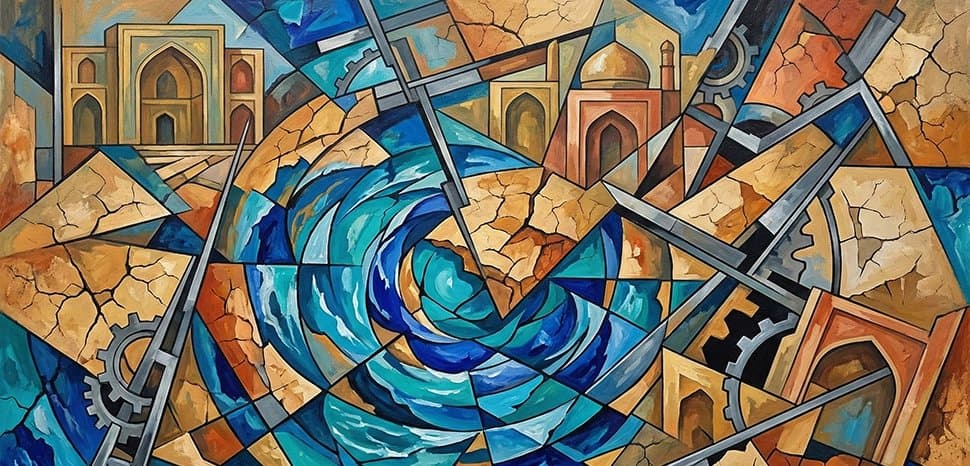
The Rising Tide of Iran's Water Crisis 🌊
Iran is grappling with an unprecedented water crisis that threatens its national security and social stability. As rivers dry up and groundwater reserves are depleted, the nation faces a challenge that cannot be ignored. The severity of the situation is evident as over 70% of Iran's major aquifers are overdrawn, signaling a looming crisis of absolute water scarcity.
According to Isa Bozorgzadeh, a spokesperson for Iran’s water industry, the renewable water resources in the country have dwindled by more than a third over the past two decades. This decline, coupled with frequent and severe droughts, is pushing Iran to a tipping point. The country's assumption that engineering could surmount environmental challenges is now proving flawed, with water shortages extending from rural areas to urban centers.

Policy Decisions and Infrastructure Challenges 🛠️
The roots of Iran's water crisis are not just in nature's variability, but also in past policy and infrastructure choices. The Islamic Republic's emphasis on agricultural self-sufficiency, driven by international sanctions, prioritized food security at the expense of environmental sustainability. This led to the cultivation of water-intensive crops like rice and wheat in unsuitable regions, further depleting water resources.
Urbanization and industrial growth have exacerbated these pressures. With urbanization at around 77%, the demand for water has surged, straining already limited resources. The unchecked licensing of wells has accelerated groundwater extraction beyond sustainable levels, while outdated infrastructure in cities like Tehran contributes to significant water losses.
Socio-Political Impacts and Regional Tensions ⚡
The scarcity of water is fracturing Iran’s social fabric and threatening national unity. Rural communities, reliant on irrigation, are witnessing their livelihoods crumble, prompting migration to overburdened urban areas. This has led to political unrest, with public demonstrations in provinces like Isfahan and Khuzestan, where slogans like ‘We are thirsty!’ echo the populace's frustrations.
Moreover, inter-provincial water transfers have exacerbated regional and ethnic disparities. These projects, perceived as benefiting Persian-majority centers, have fueled resentment among Arab, Bakhtiari, and Lor communities, intensifying historical grievances and heightening ethnic tensions.
The Path Forward: Addressing the Crisis 🚀
Iran’s water crisis demands urgent and comprehensive solutions. The government must reconsider its agricultural policies and invest in modernizing water infrastructure. Emphasizing water conservation, adjusting crop selections, and regulating groundwater extraction are vital steps.
International cooperation could also play a role. Engaging with neighboring countries to manage shared water resources and investing in technology for efficient water use are crucial strategies. The crisis underscores the importance of integrating environmental sustainability into national security frameworks.
Conclusion: A Call to Action 🔔
Iran's water crisis is a national security imperative that transcends environmental concerns, impacting social stability and political cohesion. Addressing this crisis requires strategic foresight and a commitment to sustainable resource management. As Iran navigates this challenge, the world watches closely, aware that the lessons learned here could inform global strategies in water-scarce regions.
The time for action is now. By prioritizing water sustainability, Iran can mitigate the impacts of this crisis, ensuring a stable and secure future for its citizens.
You May Also Like

Geopolitical Analysis
Saudi Arabia's Bold Minerals Strategy
July 1, 2026
Geopolitical Analysis
Strategic Challenges in Securing the Strait of Hormuz
June 30, 2026

Geopolitical Analysis
Sovereignty, Airpower & Alliance Integration Limits
June 30, 2026

Geopolitical Analysis
Myanmar: A Renewed Frontline in India-China Tensions
June 29, 2026