Category:
International RelationsPakistan-UAE Debt Dispute: A Potential Rift
A Brewing Financial Storm 🌩️
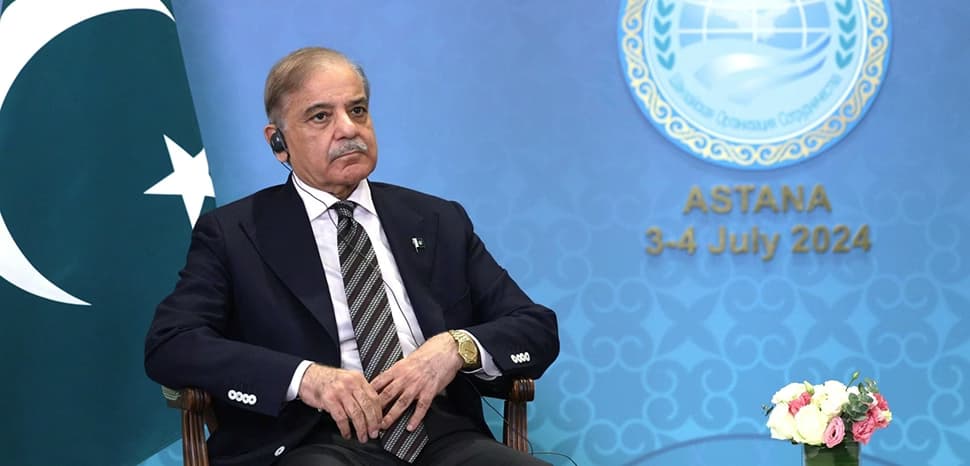
The financial ties between Pakistan and the UAE have recently come under intense scrutiny as a surprising decision by Pakistan to repay $3.5 billion to the UAE has raised eyebrows worldwide. This move, contrary to the usual practice of debt rollovers, signals potential strains in an otherwise robust bilateral relationship.

Historical Context and Economic Turmoil
Pakistan's economic landscape has been marred by a series of challenges over the past few years. From rampant inflation, triggered by global supply chain disruptions due to the pandemic, to the ongoing conflict in Ukraine, Pakistan's economic woes have been compounded by domestic issues like political instability and tensions with neighboring Afghanistan.
In 2024, in light of dwindling foreign reserves, Pakistan sought assistance from the International Monetary Fund (IMF). A critical stipulation of the IMF's bailout was the rebuilding of Pakistan's foreign exchange reserves. This led to assurances from the UAE, Saudi Arabia, and China to roll over significant debts, facilitating Pakistan's access to much-needed funds.
The Unexpected Debt Repayment 💸
In January 2025, two deposits from the UAE, each worth $1 billion, were nearing maturity. These were initially extended by one month following a meeting between Pakistani Prime Minister Shehbaz Sharif and UAE's Sheikh Mohammed bin Zayed Al Nahyan. However, the Pakistani government's recent announcement to repay $3.5 billion, including an old loan of $450 million, has come as a shock.
This decision coincides with the repayment of a Eurobond worth $1.3 billion, adding pressure to Pakistan's already strained financial reserves, which could drop significantly post-repayment.
Speculations and Diplomatic Tensions 🤔
The abrupt nature of this repayment has fueled speculations about a potential diplomatic rift. Some analysts suggest that Pakistan's closer ties with Saudi Arabia, highlighted by recent defense agreements, may have strained its relationship with the UAE, especially amid the Gulf powers' differing stances on Yemen.
Others believe that Pakistan's ties with Iran during recent Middle Eastern conflicts may have displeased the UAE, prompting this financial recall. Despite these theories, the Pakistani government has dismissed claims of a diplomatic fallout, describing the repayment as a routine transaction.
Economic Implications and Future Outlook 📊
The repayment represents nearly one-fifth of Pakistan's foreign reserves, jeopardizing efforts to stabilize its economy in line with IMF requirements. The timing is particularly precarious, with rising oil prices projected to increase Pakistan's import costs by up to $1 billion.
Moreover, the potential impact on remittances from Pakistani workers in the Gulf, which constitute a significant portion of the country's GDP, cannot be ignored. Any deterioration in relations with the UAE could have profound implications on this vital income stream.
Conclusion: Navigating Uncertain Waters 🌊
As Pakistan navigates this complex geopolitical landscape, the need for strategic diplomacy and economic foresight is more critical than ever. While the government continues to downplay the implications of this financial transaction, the broader geopolitical dynamics suggest that Islamabad must tread carefully to maintain its economic stability and diplomatic relations.
In a world rife with geopolitical uncertainties, Pakistan's approach to its financial and diplomatic engagements may well define its path forward in the coming years.
You May Also Like
International Relations
Japan-India Summit: New Alliances Emerge
July 6, 2026
International Relations
Canada-Ukraine Drone Deal: A Strategic Partnership
July 2, 2026

International Relations
Taiwan's Diplomatic Struggle for Global Recognition
June 26, 2026
International Relations
US-Brazil Relations Risked by Terrorist Designations
June 4, 2026