Category:
International RelationsPakistan’s Role in the Iran-US Ceasefire
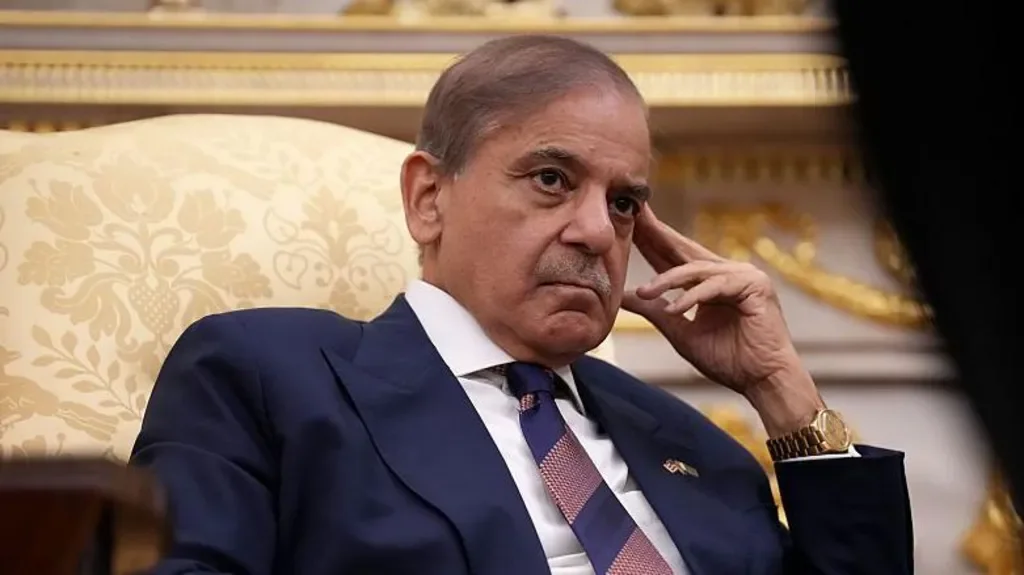
Pakistan’s mediation role in securing the Iran-US ceasefire has drawn fresh attention to Islamabad’s diplomatic relevance in a volatile regional crisis 🌍. In the tense hours before the two-week ceasefire was announced, Pakistan emerged as a key intermediary, quietly facilitating communication between Tehran and Washington at a moment when direct trust was almost nonexistent.
The development matters not only because it helped create space for de-escalation, but also because it highlighted how middle powers can shape outcomes in high-risk conflicts. Pakistan’s geographic position, historic ties with Iran, working relationship with the United States, and links with Gulf states placed it in a rare position to carry messages, reduce misunderstandings, and encourage both sides to step back from a wider confrontation.
Why Pakistan Was Positioned to Mediate 🤝
Pakistan’s mediation role did not emerge by accident. It was built on a combination of strategic geography, long-standing regional relationships, and diplomatic necessity.
Pakistan shares a border with Iran and has often described its ties with Tehran as brotherly. That relationship gives Islamabad a level of access and familiarity that many other states do not possess. At the same time, Pakistan also maintains important channels with Washington. President Trump has referred to Pakistan’s army chief, Field Marshal Asim Munir, as his “favourite” Field Marshal and remarked that he knows Iran “better than most.”
This unusual combination gave Pakistan credibility with both sides, even if that credibility was limited and highly conditional. In conflicts where direct negotiations are politically difficult, trusted intermediaries often become essential. Pakistan appears to have filled that role by passing messages between Iran and the US over recent weeks.
The Final Hours Before the Ceasefire ⏳
In the hours before the two-week ceasefire was announced, there were small but meaningful signs of hope from Pakistan. A Pakistani source, speaking anonymously, said the talks were continuing “at pace,” with Pakistan operating as an intermediary between Iran and the US.
According to that source, those conducting the negotiations from Pakistan’s side consisted of “a very small circle,” and the mood was described as “sombre and serious but still hopeful that a cessation of hostilities will be the outcome. There are a few hours left.” The source also clarified that they were not personally part of that inner circle.
These details are significant because they underline the sensitivity of the process. High-stakes mediation rarely happens in public. Instead, it often depends on discreet, tightly controlled exchanges involving only a handful of decision-makers. Pakistan’s quiet diplomacy appears to have been designed precisely for that purpose.
Why the Ceasefire Was Far From Guaranteed ⚠️
Despite signs of progress, an agreement remained uncertain until the last moment. Speaking in parliament on Tuesday night, Pakistan’s Foreign Minister Ishaq Dar said: “Until yesterday we were very optimistic that things are moving in a positive direction,” before Israel launched an attack on Iran on Monday and Iran attacked Saudi Arabia.
Dar added that Pakistan “was still trying to manage things as much as possible.” That statement reflected the fragility of the diplomatic process. Any new military strike risked derailing negotiations, hardening positions, and making compromise politically costly.
Field Marshal Asim Munir used even stronger language in remarks to military officials on Tuesday, saying the attack on Saudi Arabia “spoils sincere efforts to resolve the conflict through peaceful means.” This was among the strongest criticism Pakistan had directed toward Iran since the conflict began.
That shift in tone mattered. It suggested Islamabad was not merely relaying messages but also attempting to shape behavior. Some analysts argued that Pakistan’s criticism could add pressure on Iran, especially given Pakistan’s defence pact with Saudi Arabia. Although that pact had not been invoked despite repeated attacks on Saudi Arabia, its existence gave Pakistan added leverage in the regional equation.
Pakistan’s Diplomatic Balancing Act 🌐
A central feature of Pakistan’s mediation role was balance. Islamabad had to maintain communication with Iran while also signaling concern over attacks that threatened broader regional stability.
This balancing act involved several pressures:
- Protecting ties with Iran through continued engagement and private diplomacy
- Maintaining strategic relations with the US while supporting de-escalation
- Responding to Saudi security concerns because of defence commitments
- Avoiding a wider regional war that could disrupt trade, energy flows, and border stability
Pakistan’s challenge was not simply to broker a pause in fighting. It also had to prevent its own diplomatic posture from appearing too close to one side. That required careful messaging, disciplined public statements, and ongoing backchannel contact.
Signals of Progress Overnight 🌙
As the night progressed in Pakistan, official signals became more optimistic. Shortly after midnight, Pakistan’s prime minister posted on X that “diplomatic efforts… are progressing steadily, strongly and powerfully with the potential to lead to substantive results in near future.” He also asked President Trump to extend the deadline for two weeks and called for Iran to open the Strait of Hormuz for the same period.
That appeal was notable for two reasons. First, it linked the ceasefire effort to a defined diplomatic window. Second, it addressed the Strait of Hormuz, one of the world’s most strategically important maritime chokepoints. Any disruption there has major implications for global energy markets, shipping security, and international economic confidence.
Around 03:00 local time, Iran’s ambassador to Pakistan, Reza Amiri Moghadam, also posted that there had been “a step forward from critical, sensitive stage.” This reinforced the impression that Pakistan’s mediation role was producing movement, even if the outcome remained uncertain.
Then, just before 05:00, Pakistan’s prime minister announced that a ceasefire had been agreed and invited both sides to meet in Islamabad on Friday, 10 April, to “further negotiate for a conclusive agreement.”
What Pakistan’s Mediation Achieved ✅
The immediate achievement was clear: Pakistan helped create conditions for a two-week ceasefire between Iran and the US. That alone is diplomatically significant.
But the broader value of Pakistan’s role includes several additional outcomes:
Reduced immediate escalation risk
A ceasefire lowers the chance of rapid military miscalculation and provides time for diplomacy.
Preserved a communication channel
Even when trust is absent, message-passing through a third party can prevent dangerous misunderstandings.
Elevated Pakistan’s diplomatic profile
Successful mediation enhances Islamabad’s standing as a regional actor capable of engaging multiple rivals.
Opened space for further negotiations
By inviting both sides to Islamabad, Pakistan signaled that the ceasefire should be a starting point, not the final destination.
The Limits of the Breakthrough 🔍
Even with the ceasefire in place, Pakistani officials remained cautious. One source stressed that there was “continued fragility” in the situation and warned that there was still no trust between the two sides, whose positions remained strongly entrenched.
This caution is important. A ceasefire is not the same as a settlement. It can pause violence, but it does not automatically resolve the underlying disputes that caused the confrontation.
Key obstacles remain:
- Deep mistrust between Iran and the US
- Entrenched negotiating positions on security and regional influence
- External actors whose military actions can derail diplomacy
- Maritime security concerns, especially around the Strait of Hormuz
- Regional alliance pressures involving Saudi Arabia and other stakeholders
Pakistan may yet succeed in bringing both parties to the same table, but the harder question is what they can realistically agree on once they arrive.
Why Islamabad Could Matter in the Next Phase 🕊️
If talks continue, Islamabad could serve as more than a messenger. It could become a venue for structured engagement, confidence-building steps, and limited agreements designed to prevent renewed escalation.
Possible areas for incremental progress include:
- Temporary security understandings
- Maritime de-escalation measures
- Humanitarian or prisoner-related arrangements
- Mechanisms for crisis communication
- Timetables for follow-up negotiations
Pakistan’s value lies in its ability to host, facilitate, and maintain dialogue without necessarily imposing a grand solution. In many conflicts, progress comes not through one dramatic accord but through smaller, carefully sequenced steps.
Strategic Implications for International Relations 📘
For students and observers of international relations, Pakistan’s mediation role offers a strong example of how regional states can influence major-power crises. It demonstrates that diplomacy is often driven not only by superpowers, but also by states with the right mix of access, credibility, and urgency.
It also shows how mediation works in practice:
- through small, confidential negotiating circles
- under severe time pressure
- amid conflicting alliances and security commitments
- with public optimism tempered by private caution
In this case, Pakistan leveraged its border ties with Iran, military and political links with the US, and strategic relevance to Gulf stability to support a ceasefire at a critical moment.
Conclusion
Pakistan’s mediation role in securing the Iran-US ceasefire reflects a meaningful, if fragile, diplomatic success. By acting as an intermediary in the final hours before the agreement, Islamabad helped keep communication alive, encouraged restraint, and created a narrow opening for further negotiations.
Yet the ceasefire remains only a first step. The situation is still delicate, trust remains absent, and the path to a conclusive agreement is uncertain. Still, Pakistan’s involvement shows that in moments of extreme tension, careful diplomacy can create opportunities where military escalation seems more likely than peace ✨.
If Islamabad can convert this temporary pause into sustained dialogue, its role may become a defining case study in regional mediation and crisis management.
You May Also Like
International Relations
Japan-India Summit: New Alliances Emerge
July 6, 2026
International Relations
Canada-Ukraine Drone Deal: A Strategic Partnership
July 2, 2026
International Relations
Taiwan's Diplomatic Struggle for Global Recognition
June 26, 2026
International Relations
US-Brazil Relations Risked by Terrorist Designations
June 4, 2026