Category:
Geopolitical AnalysisThe Hormuz Oil Stress Test: Stockpiles' Durability
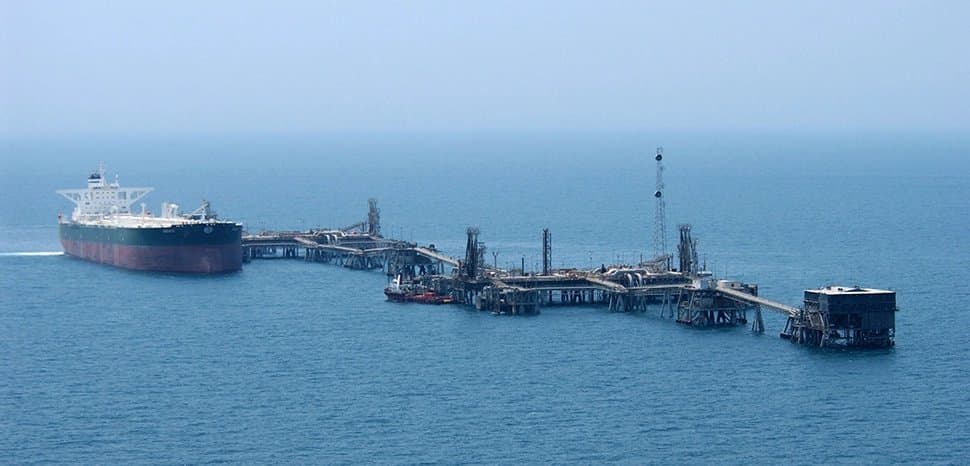
In recent times, the geopolitical landscape has once again turned its attention to the strategic Strait of Hormuz. As tensions flare up in the Middle East, one of the world's most vital oil conduits finds itself at the center of discussions. 🌍🔥 But what does this mean for global oil reserves, and how long can they sustain us in the face of potential disruptions?
Understanding the Strait of Hormuz
The Strait of Hormuz is not just a geographical marvel; it is the lifeline through which nearly a fifth of the world's petroleum passes. The recent blockades have raised alarms not only among energy companies but also within geopolitical spheres. This narrow waterway, about 21 miles wide at its narrowest point, is crucial for oil transportation from the Gulf states to global markets.

The Reality of Oil Reserves
While some pundits predict a doomsday scenario with skyrocketing oil prices, others assure that existing reserves will cushion the blow. The International Energy Agency estimates total commercial oil reserves at around 8.5–9 billion barrels globally. This figure encompasses both strategic and commercial reserves, each playing a distinct role in market stability.
Strategic Reserves: The Last Line of Defense
Strategic Petroleum Reserves (SPR) are the stronghold of any nation's energy security strategy. Designed to be tapped only during severe crises, these reserves are meticulously stored in underground caverns. The United States, along with other OECD countries, holds approximately 1.8 billion barrels in strategic reserves. These reserves are critically important due to their 100% liquidity, enabling rapid deployment to stabilize markets.
Commercial Reserves: The Market's Backbone
Commercial reserves, on the other hand, are the operational inventory held by corporations and refineries. Currently, OECD countries manage about 2.84 billion barrels in commercial reserves. These stocks are crucial for daily market operations and are the first to buffer any supply shocks.
Global Oil Market Dynamics
The blockage of the Strait of Hormuz presents significant challenges. However, it's essential to consider alternative routes and logistical adaptations. Historically, the oil market has demonstrated resilience, adapting to geopolitical tensions through diversified supply chains and enhanced energy strategies.
Bypass Routes and Logistics
Countries are actively exploring bypass routes and increasing pipeline capacities to mitigate the risks posed by Hormuz disruptions. For instance, the Trans-Arabian Pipeline and the East-West Pipeline in Saudi Arabia provide alternative pathways for oil transport, thus reducing dependency on the Strait.
The Economic Implications
The impact on global markets is inevitable, with potential price hikes and economic adjustments. However, the extent of this impact depends on how swiftly alternative infrastructures can compensate for the disruptions. The agility of the global economy to adapt through technological advancements and policy shifts will be pivotal.
Key Takeaways
- Strategic Petroleum Reserves are crucial for immediate crisis management, ensuring market stability.
- Commercial Reserves provide daily operational support, buffering short-term shocks.
- Adaptive Logistical Strategies will determine the extent of economic impact.
In conclusion, while the situation at the Strait of Hormuz poses significant challenges, the global oil market possesses mechanisms and reserves to manage potential disruptions. The resilience and adaptability of geopolitical strategies will play a decisive role in shaping the outcome. As stakeholders continue to monitor developments, the focus remains on enhancing strategic and logistical frameworks to mitigate risks.
The world watches closely as the delicate balance of energy security and geopolitical tension unfolds. How these dynamics play out will set the course for future energy policies and international relations.
You May Also Like

Geopolitical Analysis
Saudi Arabia's Bold Minerals Strategy
July 1, 2026
Geopolitical Analysis
Strategic Challenges in Securing the Strait of Hormuz
June 30, 2026
Geopolitical Analysis
Sovereignty, Airpower & Alliance Integration Limits
June 30, 2026

Geopolitical Analysis
Myanmar: A Renewed Frontline in India-China Tensions
June 29, 2026