Category:
Geopolitical AnalysisThe Inflation Tax from Washington's Iran Conflict
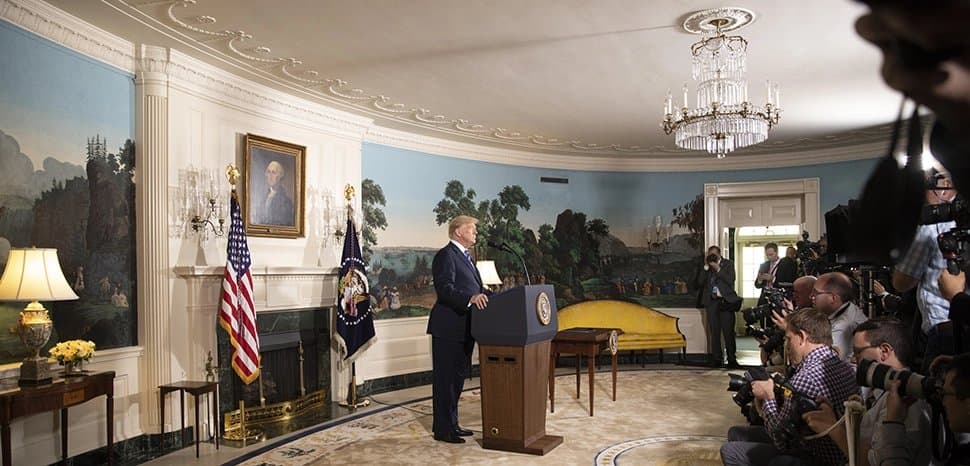
Geopolitical Tensions and Economic Ripples 🌍📈
In recent years, geopolitical tensions have increasingly intertwined with global economic stability. One of the most significant examples is the economic fallout from Washington's confrontational stance towards Iran. While initially marketed as a limited military engagement, the broader economic implications have become difficult to ignore. This situation underscores how international conflicts can reverberate through global markets, affecting everything from crude oil prices to household expenses.
The Strait of Hormuz: A Critical Chokepoint 🚢
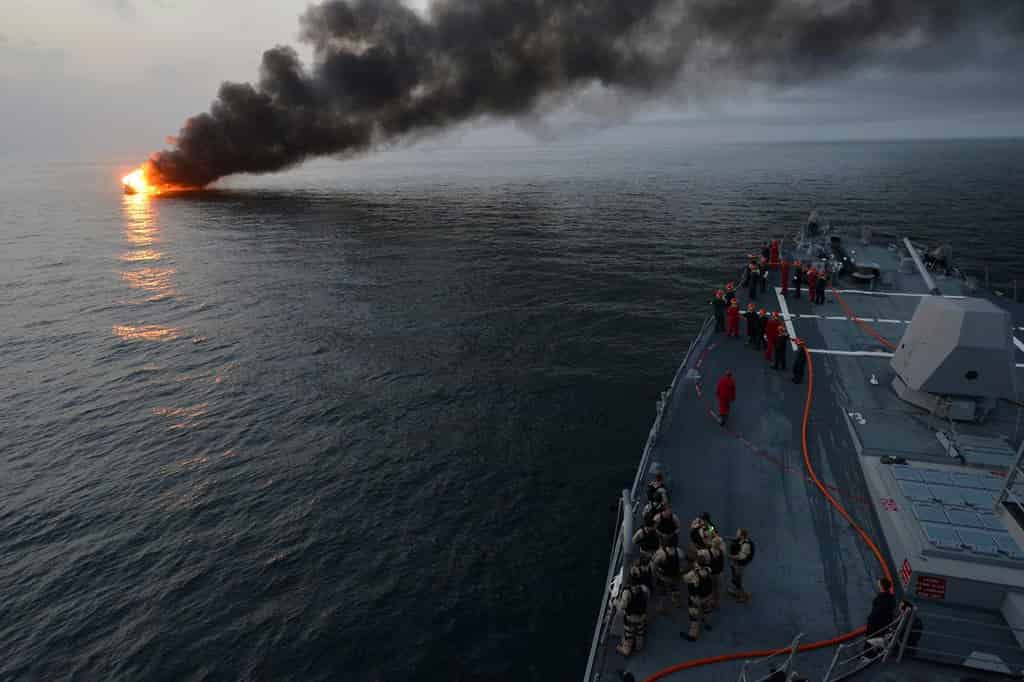
The Strait of Hormuz, a vital maritime passage for global oil transport, has become a focal point of this geopolitical struggle. Any disruption here has a cascading effect on oil prices worldwide. The USS Stout navigating these waters is a testament to the strategic importance of maintaining stability in this region.

Surging Prices: Beyond Crude Oil 💰
Initially, the focus was on crude oil prices, which indeed saw significant hikes. However, the real economic burden has shifted towards refined products such as gasoline, diesel, and jet fuel. These are the fuels that directly impact consumers and businesses. For instance, jet fuel and diesel prices have surged dramatically, influencing transportation and logistics costs worldwide.
Inflation Impacts on Households 🏠💸
For the average consumer, these developments translate into higher prices at the pump and increased costs for goods and services. As of late March, the national average for gasoline in the U.S. was nearly $4 per gallon, significantly up from previous months. This spike hits hardest on those with limited disposable income, highlighting the broader socio-economic implications of geopolitical decisions.
Global Economic Forecasts and Concerns 📊
The broader macroeconomic outlook has dimmed in light of these developments. The Organisation for Economic Co-operation and Development (OECD) has revised its growth projections downward, citing the Middle East conflict as a primary driver. Inflation expectations have been adjusted upwards, exacerbating economic uncertainty.
Government Responses and Policy Challenges 🏛️
Governments are scrambling to mitigate the economic shock. The G7 and the International Energy Agency have initiated measures to stabilize energy markets, including releasing strategic oil reserves. However, these are temporary fixes, not long-term solutions. Australia, for example, has halved its fuel excise temporarily to ease consumer pain, a move that underscores the urgency and magnitude of the issue.
The Agricultural Sector: Fertilizer and Food Prices 🌾
The shock waves are not confined to the energy sector. Fertilizer prices, essential for agriculture, have also shot up, threatening to escalate food prices globally. This is particularly concerning for low-income countries already grappling with food security challenges.
Conclusion: A Strategic Reassessment Needed 🔍
In conclusion, the economic repercussions of Washington's Iran policy extend far beyond the immediate geopolitical context. The conflict has highlighted vulnerabilities in global supply chains and the interconnectedness of modern economies. As policymakers navigate these challenges, a strategic reassessment may be necessary to balance geopolitical ambitions with economic realities. Moving forward, the focus should be on sustainable strategies that consider both international security and domestic economic stability.
The path ahead is fraught with challenges, but with informed decision-making, it is possible to mitigate the adverse effects and chart a course towards stability.
You May Also Like

Geopolitical Analysis
Saudi Arabia's Bold Minerals Strategy
July 1, 2026
Geopolitical Analysis
Strategic Challenges in Securing the Strait of Hormuz
June 30, 2026
Geopolitical Analysis
Sovereignty, Airpower & Alliance Integration Limits
June 30, 2026
Geopolitical Analysis
Myanmar: A Renewed Frontline in India-China Tensions
June 29, 2026