Category:
Geopolitical AnalysisThe Strait of Hormuz: Strategic Chokepoint
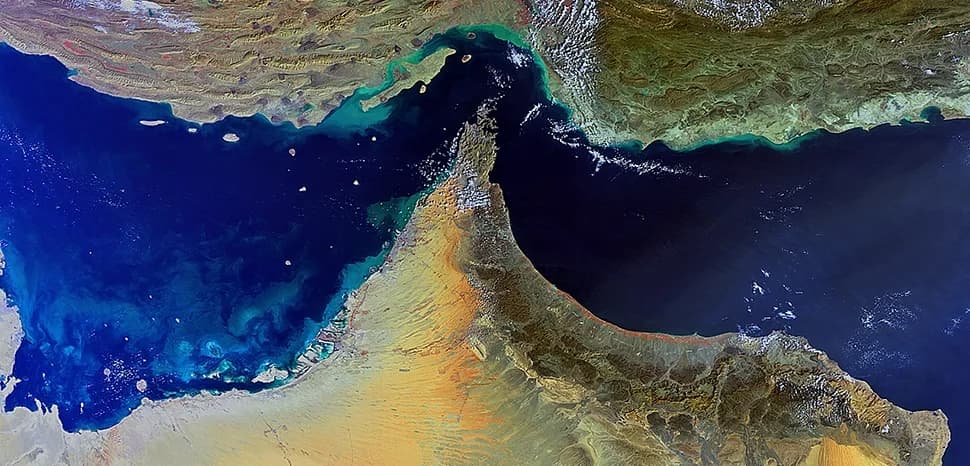
The Strait of Hormuz, a vital maritime passage in the Persian Gulf, serves as a critical chokepoint that shapes global energy markets and geopolitical strategies. This narrow waterway is pivotal, with approximately 20% of the world's oil and a significant portion of liquefied natural gas passing through daily.
The Geopolitical Importance of Chokepoints 🌍
Chokepoints like the Strait of Hormuz are essential for global trade. Historically, controlling these narrow passages has granted powers significant leverage over international commerce and strategic outcomes. For instance, during the British Empire, control over maritime gateways like Gibraltar and the Suez Canal ensured their dominance over global trade routes.
Strategic Vulnerability and Modern Threats 💣
The vulnerability of the Strait of Hormuz is a stark reminder of how geography can confer strategic power. The proliferation of advanced military technologies, such as missiles and drones, has increased the potential for disruptions in these critical corridors. Iran has often highlighted its ability to control or disrupt the passage, affecting global oil supply and economic stability.
Historical Context and Global Impact 📜
Throughout history, chokepoints have been pivotal in military and trade strategy. The British Empire's naval prowess was partly based on controlling key maritime routes, which allowed it to manage global commerce effectively. Today, the principle remains the same: control the passageways, and you hold significant influence over economic and strategic outcomes.
The Role of International Navies 🚢
To ensure these critical sea lanes remain open, the United States and other allied nations maintain a strong naval presence in the region. This strategy, known as Freedom of Navigation, is crucial for preserving the uninterrupted flow of goods and resources. Securing these waterways is not merely a tactical decision but a cornerstone of international economic stability.
The Indian Ocean and Rising Stakes 🌊
The Indian Ocean's strategic importance has grown, linking Middle Eastern energy supplies with Asian manufacturing and African markets. Chokepoints in this region, including Hormuz, Bab el-Mandeb, and Malacca, are among the most critical globally. Any disruption can have widespread repercussions, highlighting the interconnectedness of global trade.
Conclusion: Navigating Future Challenges 🔍
The security of narrow waterways like the Strait of Hormuz underpins much of the global economy. While the modern world may appear borderless, its economic lifelines remain narrow and fragile. Ensuring these chokepoints remain open and secure is essential for global stability and prosperity.
In conclusion, understanding the strategic importance of chokepoints like the Strait of Hormuz is critical for comprehending the complexities of global trade and geopolitical dynamics. As we move forward, maintaining open and secure maritime routes will be vital for ensuring economic and strategic stability worldwide.
You May Also Like

Geopolitical Analysis
Saudi Arabia's Bold Minerals Strategy
July 1, 2026
Geopolitical Analysis
Strategic Challenges in Securing the Strait of Hormuz
June 30, 2026
Geopolitical Analysis
Sovereignty, Airpower & Alliance Integration Limits
June 30, 2026
Geopolitical Analysis
Myanmar: A Renewed Frontline in India-China Tensions
June 29, 2026