Category:
Geopolitical AnalysisUS-Iran Tensions Threaten MENA Stability

The Unending Conflict and Its Regional Implications
The escalating tensions between the United States and Iran have left geopolitical analysts concerned about the broader implications for the Middle East and North Africa (MENA) region. With no clear political endgame in sight, the risk of destabilizing the entire region looms large. 🌍
The Current State of Affairs
The US has intensified its pressure on Iran through military and economic measures, yet it lacks a definitive plan for a stable regional order post-conflict. This absence of a political strategy raises concerns that the situation may spiral into a wider conflict without resolution.
Supporters of the US approach argue that sustained pressure will weaken Iran, potentially leading to a more manageable Middle East. However, this perspective overlooks Iran's complex internal dynamics and diverse ethnic composition, including Azeri, Kurdish, Arab, and Baluchi communities, which could exacerbate regional instability.
Regional Repercussions
A destabilized Iran could have profound effects on neighboring countries, particularly Turkey. Ankara has advocated for de-escalation, recognizing that instability in Iran would heighten security concerns along the Turkish-Iraqi-Iranian border. As a NATO member with significant ties to Europe, Turkey's challenges could extend beyond the region, impacting security policies and energy markets.
The Role of Global Powers
Russia stands to benefit from the conflict's economic ramifications. Reports suggest that Moscow has been aiding Tehran, indirectly challenging US interests. The rise in oil prices following the blockade announcement serves as a strategic advantage for Russia, aiding its sanctioned hydrocarbon exports. For Ukraine, the conflict diverts Western attention and resources, potentially complicating its geopolitical situation.
China, on the other hand, has called for dialogue and de-escalation. With significant economic interests tied to Iranian oil, Beijing seeks stability in Iran to secure its energy needs while capitalizing on US overextension. In 2025, China reportedly imported over 80% of Iran's shipped oil, underscoring its vested interest in regional stability.
Legal and Economic Challenges
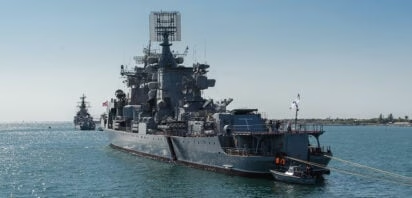
The US naval blockade of Iranian ports presents both legal and military challenges. Under international law, such actions could be deemed aggressive, potentially provoking retaliation. Economically, the blockade has already disrupted global oil markets, with Brent crude prices hovering around $102, impacting economies worldwide.
The Path Forward
The likelihood of a decisive US victory seems slim, with strategic drift under worsening conditions appearing more probable. Gulf states are questioning the reliability of US military support, while Russia and China exploit the situation to their advantage.
Conclusion
The ongoing US-Iran tensions present significant risks to the MENA region's stability. The lack of a clear political strategy could lead to prolonged conflict, with far-reaching implications for global energy markets and international relations. As the situation unfolds, it remains crucial for international actors to pursue diplomatic solutions to prevent further destabilization.
Key Takeaways:
- The absence of a political endgame in US-Iran tensions risks regional destabilization.
- Turkey and other neighboring countries face increased security challenges.
- Global powers like Russia and China have vested interests in the conflict's outcome.
- Legal and economic implications of the US blockade are significant and multifaceted.
In the coming months, the international community must prioritize de-escalation and diplomatic engagement to avert wider regional chaos.
You May Also Like

Geopolitical Analysis
Saudi Arabia's Bold Minerals Strategy
July 1, 2026
Geopolitical Analysis
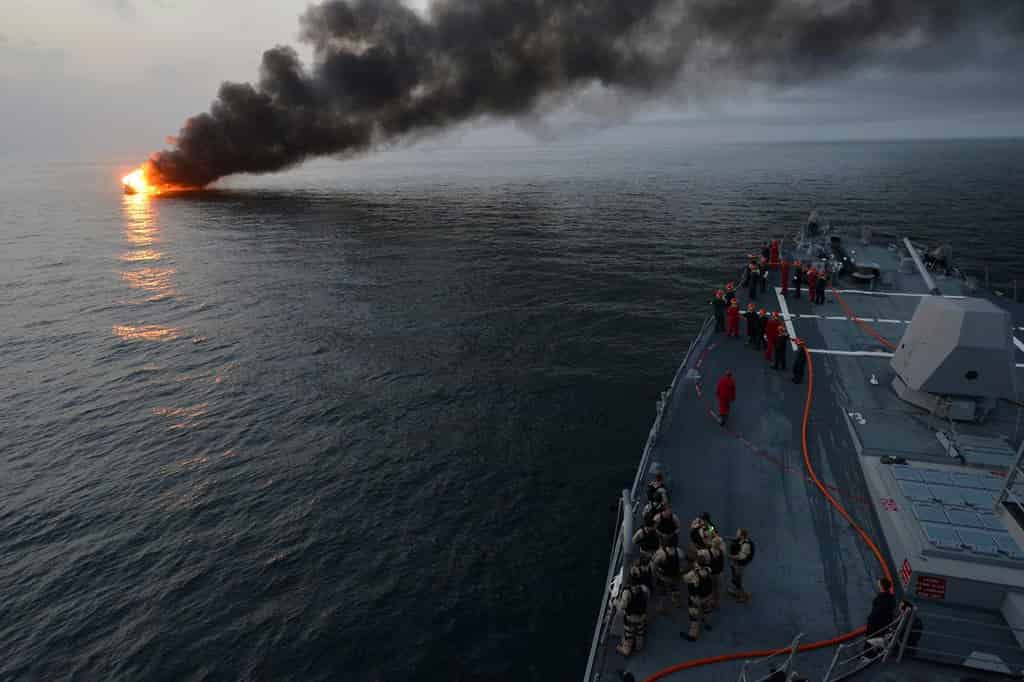
Strategic Challenges in Securing the Strait of Hormuz
June 30, 2026
Geopolitical Analysis
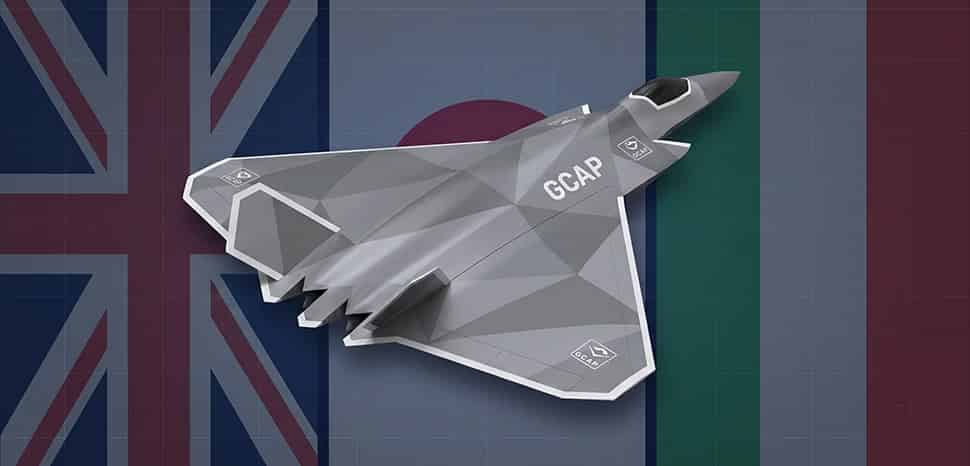
Sovereignty, Airpower & Alliance Integration Limits
June 30, 2026
Geopolitical Analysis
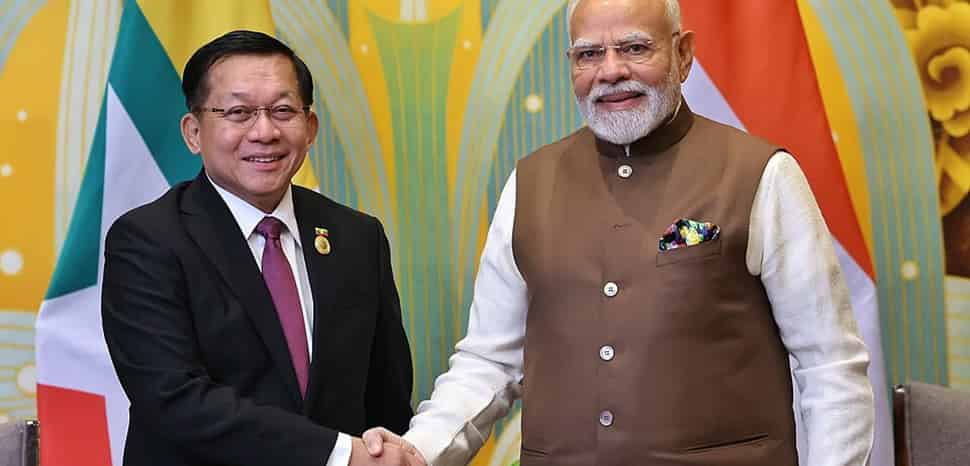
Myanmar: A Renewed Frontline in India-China Tensions
June 29, 2026