Category:
International RelationsWhy States Act: A Guide to IR Theories
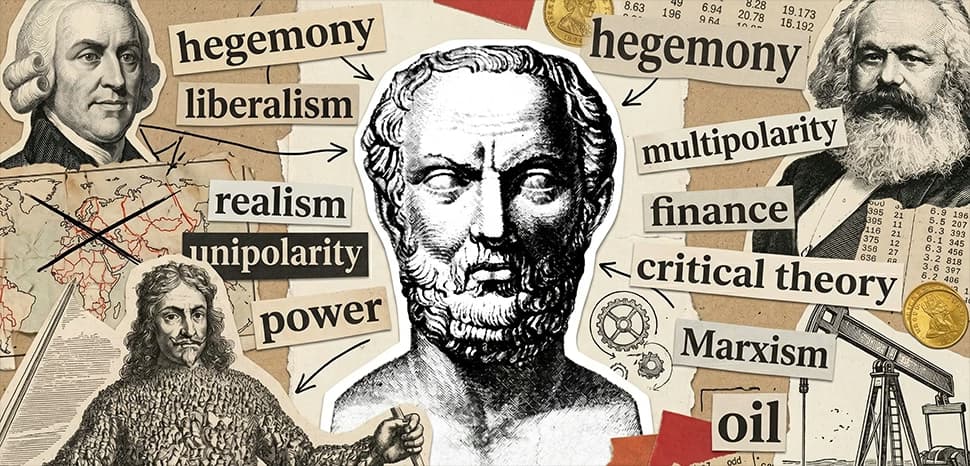
Understanding why states act the way they do is a central question in international relations (IR). While the answers may seem complex, they often boil down to theoretical frameworks that help explain state behavior. This article explores the foundational theories of IR: realism, liberalism, constructivism, and critical theories, and how they shape our understanding of global politics.
The Realism Perspective: Power and Survival
Realism is grounded in the idea that states are primarily concerned with their own survival and power. With no overarching world government to enforce rules, states operate in an anarchic system, where power is the currency of survival. Realists argue that states act primarily in their self-interest, seeking power to ensure their continued existence.
This perspective explains why powerful nations, like Russia, react aggressively to perceived threats such as NATO's eastward expansion. Realists predicted such responses not out of moral judgment but from understanding that great powers do not tolerate military alliances near their borders.
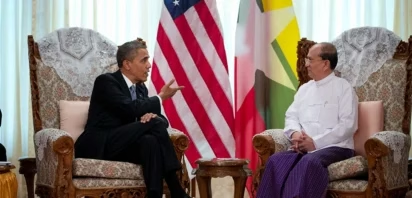
However, realism has its limitations. It struggles to explain instances of cooperation and peace, such as the strategic partnership between the United States and Vietnam or the European Union's peacekeeping success.
Liberalism: Cooperation Through Institutions
Liberalism counters realism by suggesting that self-interest does not inevitably lead to conflict. Instead, it posits that through institutions, trade, and shared rules, states can create mutual dependencies that make conflict less appealing. The European Union is a prime example of this, transforming a war-torn continent into a single market with shared standards.
Liberal theory also supports the "democratic peace" hypothesis, which suggests that democracies are less likely to go to war with each other. This is because democratic states share norms and structures that promote negotiation over conflict.
Constructivism: The Power of Ideas and Identity
Constructivism adds another dimension by focusing on the social constructs that influence state behavior. According to this theory, state actions are not just about power or economic interests but also about identities, beliefs, and norms. Constructivism asks why states perceive themselves in certain ways and how these perceptions shape their actions.
For example, a country might view itself as a victim, even when it holds significant power, influencing its foreign policy decisions. Constructivism helps explain these seemingly irrational behaviors by examining the underlying narratives and identities.
Critical Theories: Challenging the Status Quo
Critical theories in IR challenge traditional perspectives and question the structures that maintain the status quo. These theories highlight issues of power disparity, inequality, and the influence of historical contexts on current international dynamics. They encourage a re-examination of global power structures and advocate for transformative changes.
Applying IR Theories in Real-World Scenarios
Understanding these theories is crucial for analyzing contemporary international events. Whether it's China's strategic port investments or the diplomatic maneuvers at the United Nations, IR theories provide the tools to question and understand state motivations beyond surface-level narratives.
In conclusion, while no single theory can predict international events with certainty, they offer frameworks to analyze state actions. By asking the right questions, we can better anticipate global shifts and navigate the complex world of international relations.
Key Takeaways
- Realism focuses on power and survival in an anarchic international system.
- Liberalism emphasizes cooperation through institutions and shared rules.
- Constructivism examines the role of identity and ideas in shaping state behavior.
- Critical theories challenge existing power structures and advocate for transformative change.
Understanding these perspectives equips us with the tools to decode complex international events and anticipate future trends.
You May Also Like
International Relations
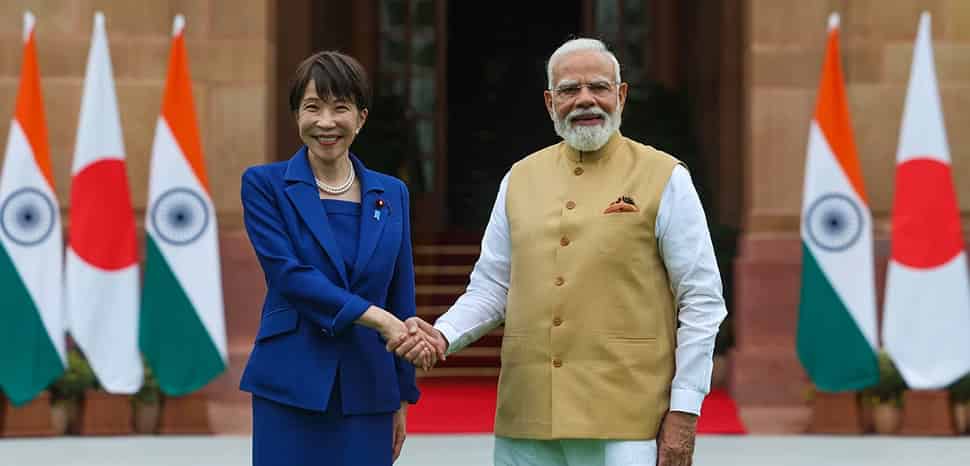
Japan-India Summit: New Alliances Emerge
July 6, 2026
International Relations
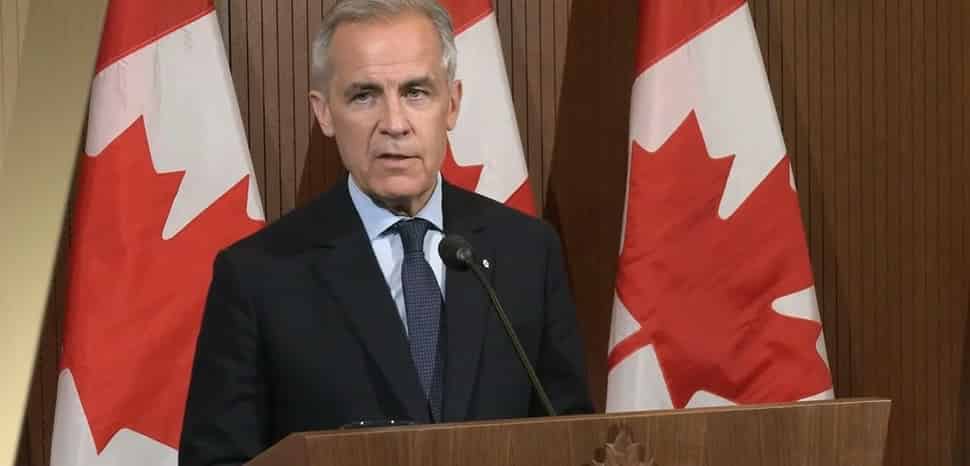
Canada-Ukraine Drone Deal: A Strategic Partnership
July 2, 2026

International Relations
Taiwan's Diplomatic Struggle for Global Recognition
June 26, 2026
International Relations
US-Brazil Relations Risked by Terrorist Designations
June 4, 2026