Category:
Geopolitical AnalysisAbu Dhabi's Strategic OPEC Exit: A New Era Unfolds
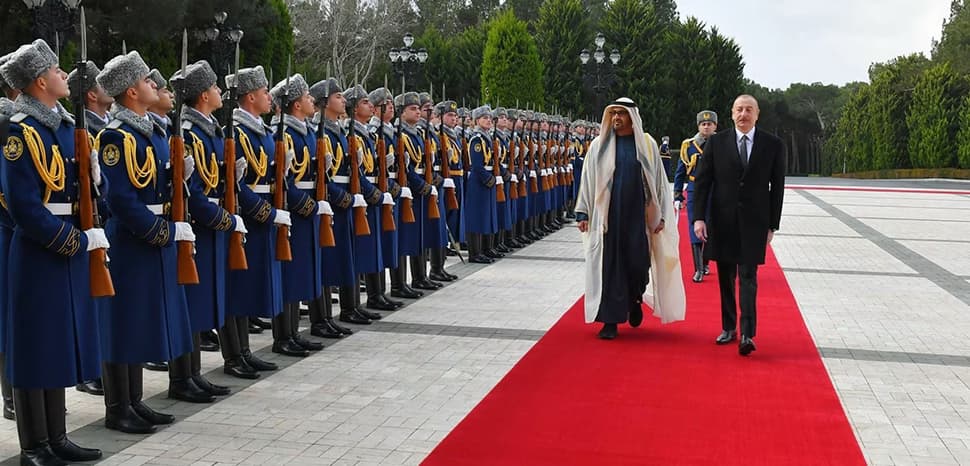
In a move that has sent ripples through the global oil market, Abu Dhabi recently announced its departure from the Organization of the Petroleum Exporting Countries (OPEC), effective May 1, 2026. This decision marks a significant shift in the geopolitical landscape of the Middle East, raising questions about the future of oil diplomacy and regional alliances. 🎬
Understanding Abu Dhabi's Bold Move
The United Arab Emirates (UAE) has long been a key player within OPEC, a consortium that has historically regulated oil production to stabilize global oil prices. However, the UAE's exit signals a strategic pivot towards greater production independence. This decision was not made in isolation; it is the culmination of years of strategic divergence from traditional Gulf frameworks.
A Historical Context
Since 2011, Abu Dhabi has pursued a foreign policy that often diverged from its Gulf neighbors. Notably, its military interventions in Libya and Yemen, as well as its strategic footholds in Eritrea and Djibouti, underscored a desire to project power independently. This approach has now crystallized with its OPEC exit, as Abu Dhabi positions itself for a future where it can negotiate from a stance of sovereignty rather than collective agreement.
The Implications of OPEC Exit
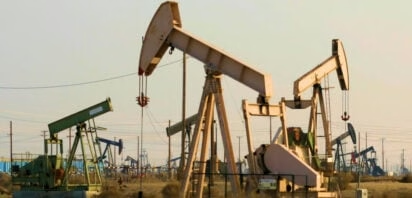
Abu Dhabi's decision to leave OPEC is not merely about oil production quotas. It is a strategic alignment with a future geopolitical order that Abu Dhabi anticipates will emerge once current regional tensions ease. The ongoing closure of the Strait of Hormuz, which has restricted UAE oil exports, highlights the immediate challenges. Yet, Abu Dhabi's installed capacity of 4.85 million barrels per day, with a target of 5 million by 2027, underscores its readiness to capitalize on post-crisis opportunities.
The Hormuz Paradox
While the Strait of Hormuz remains a chokepoint, the UAE's strategy is forward-looking. Abu Dhabi is betting on a future where its legal independence from OPEC will afford it greater leverage in renegotiating regional oil dynamics. In essence, the UAE is reading the cycles of geopolitical change, preparing for a new era of oil diplomacy.
Saudi Arabia's Calculated Response
Saudi Arabia, the de facto leader of OPEC, faces its own strategic conundrum. Historically, Riyadh has managed Gulf relations through frameworks that concentrate leverage. The upcoming Gulf summit in Jeddah, originally convened to discuss Iranian strikes, will now also address the implications of Abu Dhabi's OPEC exit.
Riyadh's Strategic Depth
Saudi Arabia's vast oil reserves and established relationships with Asian markets provide it with tools to counterbalance new challenges. The Kingdom's response will be pivotal, not just for Saudi-UAE relations, but for the broader dynamics among smaller Gulf states like Kuwait, Bahrain, and Qatar.
Conclusion: A New Geopolitical Landscape
The UAE's OPEC exit is a bold declaration of its future ambitions and strategic independence. As the region braces for the reopening of the Strait of Hormuz, Abu Dhabi's move sets the stage for a new era in Middle Eastern geopolitics. The coming months will reveal how Gulf states recalibrate their alliances and strategies in response to this seismic shift.
In the intricate dance of oil diplomacy, Abu Dhabi's decision underscores a broader trend of nations seeking to assert independence in an increasingly multipolar world. The outcomes of these strategic realignments will shape the future of energy markets and geopolitical alliances for years to come. 💫
You May Also Like

Geopolitical Analysis
Saudi Arabia's Bold Minerals Strategy
July 1, 2026
Geopolitical Analysis
Strategic Challenges in Securing the Strait of Hormuz
June 30, 2026

Geopolitical Analysis
Sovereignty, Airpower & Alliance Integration Limits
June 30, 2026
Geopolitical Analysis
Myanmar: A Renewed Frontline in India-China Tensions
June 29, 2026